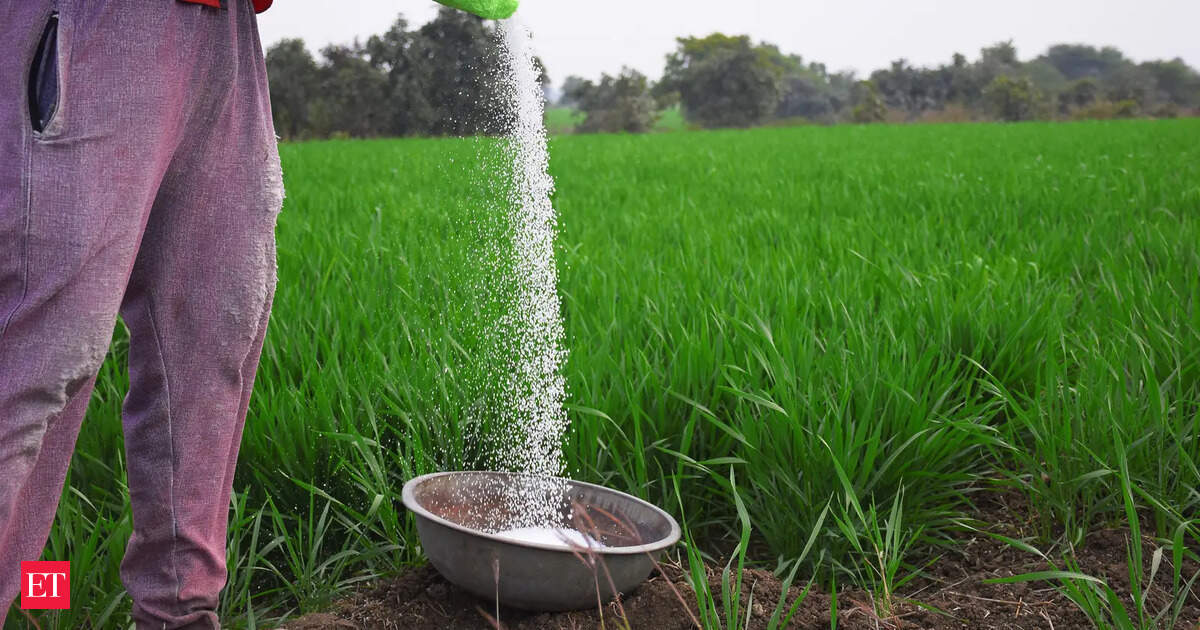
India's fertiliser subsidy regime is leaking money to unintended pockets and distorting crop choices, according to Ashok Gulati, an agricultural economist. Rising global fertiliser and energy prices, combined with fiscal strain, have exposed the system's inefficiencies. Gulati argues the only lasting solution is to scrap the current model and replace it with direct income support for farmers.
The current system works like this. The government fixes the price of fertiliser below market rates and reimburses manufacturers for the difference. That mechanism was designed decades ago to keep input costs low for small farmers. In practice, a large share of the subsidy never reaches the tiller. Manufacturers and traders capture a cut. The rest goes to farmers who may not need it – large landholders and those growing water-intensive crops that the fertiliser regime encourages.
Gulati's critique centers on two failures. First, the subsidy distorts planting decisions. When urea is cheap relative to other nutrients, farmers overapply it, depleting soil health and driving demand for groundwater. Water-intensive crops like paddy and sugarcane thrive under the subsidy, even in water-scarce regions. Second, the fiscal burden is growing. India spent roughly 1.5 lakh crore rupees on fertiliser subsidies in the last fiscal year, a figure that swings with global gas prices. The outlay crowds out spending on irrigation and rural roads.
Direct income support would break that cycle. Under such a system, the government would deposit a fixed amount per hectare into farmers' bank accounts, leave fertiliser prices to the market, and let farmers decide which inputs to buy. Gulati says this approach targets the farmer, not the fertiliser, and eliminates the incentive to overapply urea. It also makes the subsidy transparent. Every rupee goes to a known beneficiary, not into a black box of manufacturer claims.
The political challenge is stiff. Fertiliser manufacturers and trader lobbies oppose the shift. Farmers accustomed to cheap urea see the change as a risk. State governments, which control agricultural marketing, worry about losing leverage. The economic logic is hard to dodge. Global fertiliser prices have been volatile since the Russia-Ukraine war, and India's subsidy bill moves with them. A direct transfer scheme would cap the government's exposure. If prices spike, the farmer absorbs the cost and gets a fixed supplement from the state. If prices drop, the farmer gains full benefit.
For commodity markets, the implications are broad. A move toward market-priced fertiliser would raise input costs for some crops, potentially shifting acreage away from paddy and sugarcane toward less water-intensive alternatives like pulses and oilseeds. That would affect domestic supply balances and import demand for edible oils and pulses. The government's fiscal position would improve, freeing room for infrastructure spending that supports agricultural productivity over the long term.
Gulati's proposal is not new. Similar arguments have been made by the Economic Survey and the NITI Aayog. The current fiscal pressure and the global fertiliser price shock have renewed attention on the idea. The government has already moved to direct benefit transfers for cooking gas and some food subsidies.