Stocks● Neutral
India's FCRA Amendment: Asset Vesting Rule Stirs Church, NGO Backlash
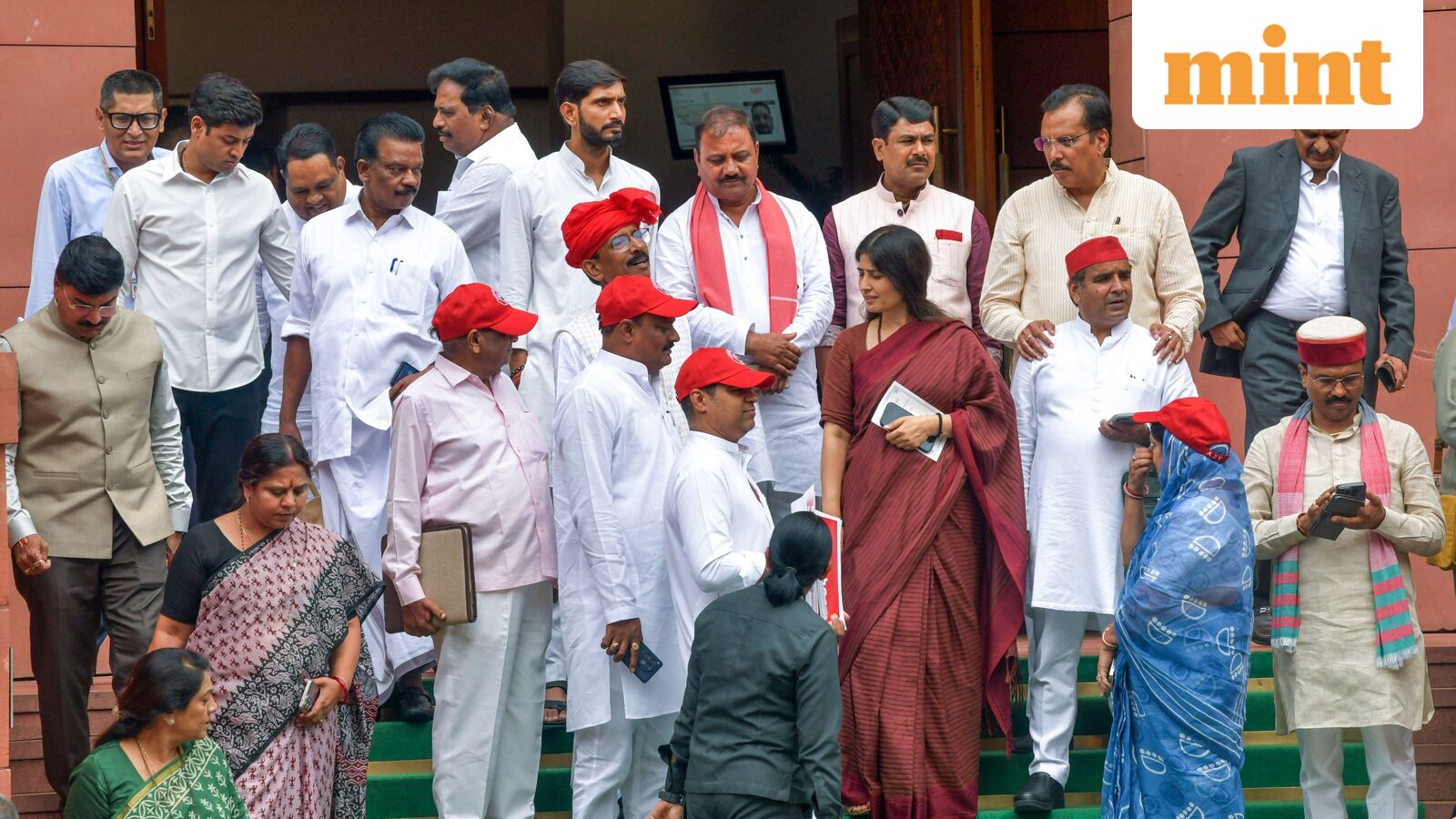
India's FCRA amendment creates a designated authority to seize assets built with foreign donations when NGO registrations lapse. Opposition, churches, and a U.S. congressman call it an attack on minority institutions.
Continue with
India's government is pushing through an amendment to the Foreign Contribution (Regulation) Act that would let a new authority seize assets built with foreign donations if an organisation loses its registration. The bill, introduced in the Monsoon session, has drawn sharp criticism from opposition parties, church groups, and a U.S. congressman who called it an attack on Christians.
At stake are roughly 16,000 registered associations that together receive nearly ₹22,000 crore in foreign contributions each year. The proposed Foreign Contribution (Regulation) Amendment Bill, 2026 creates a “designated authority” that would take control of foreign contributions and any assets created from them when an organisation's registration is cancelled, surrendered, not renewed, or the entity itself ceases to exist.
That asset-vesting mechanism is the core of the controversy. Under the current law, there was no clear framework for what happened to property bought with foreign money after a registration lapsed. Critics say the new rules could reach back to organisations whose certificates expired years ago, even if they stopped taking foreign donations and now run entirely on domestic funding. Schools, hospitals, and community centres built with past foreign contributions could end up under the authority's control.
Congress leader K.C. Venugopal called the bill “completely unconstitutional” and said it would harm non-profits and community organisations, particularly those run by minority communities. He said the Congress party would not allow the bill to pass under any circumstances. Trinamool Congress MP Derek O'Brien described the legislation as “draconian” and asked Prime Minister Narendra Modi to call an all-party meeting. In a letter, O'Brien wrote that the bill “risks weakening and destroying institutions that have served India's poorest and marginalised communities for decades in the education and health sector.”