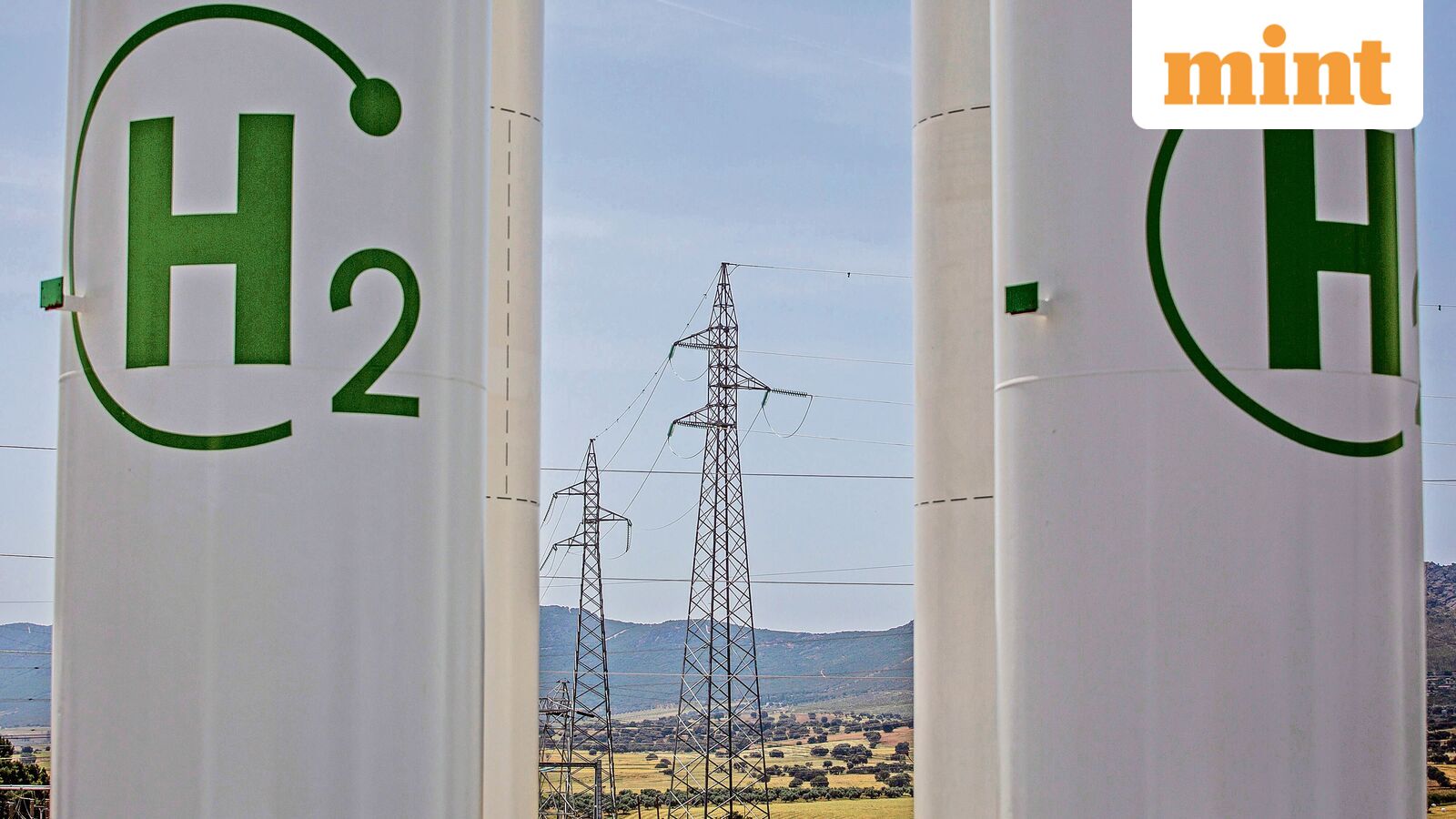
India is moving to address its vulnerability to global supply chain disruptions by prioritizing domestic energy storage alternatives. The current reliance on imported battery technologies, particularly those dominated by Chinese manufacturing, creates a strategic bottleneck for the nation's energy transition. Policymakers are now evaluating green hydrogen as a primary mechanism to mitigate these risks and secure long-term energy independence.
The Strategic Shift Toward Green Hydrogen
The core of this transition involves utilizing renewable energy to power the electrolysis of water, separating hydrogen from oxygen. Unlike traditional lithium-ion batteries that require complex mineral supply chains often controlled by a limited number of global players, green hydrogen offers a pathway toward localized production. This approach allows India to leverage its growing renewable energy capacity to create a stable, storable fuel source that can be deployed across industrial and grid-level applications.
This shift is not merely an environmental objective but a response to the geopolitical reality of export curbs. By fostering a domestic ecosystem for hydrogen production, India aims to insulate its infrastructure from the volatility of international battery markets. The transition requires significant investment in electrolyzer technology and storage infrastructure to move beyond experimental phases and into large-scale industrial utility.
Infrastructure and Industrial Integration
Integrating green hydrogen into the national energy grid requires a fundamental redesign of storage and distribution networks. The focus is currently on developing localized hubs where hydrogen can be produced and consumed without the need for extensive, high-risk supply chains. This strategy aligns with broader efforts in stock market analysis to identify sectors where domestic self-sufficiency can act as a hedge against global trade instability.
- Expansion of renewable energy generation to support electrolysis.
- Development of specialized storage facilities for hydrogen gas.
- Investment in domestic electrolyzer manufacturing capabilities.
These initiatives are designed to create a closed-loop system that reduces the need for imported components. As the country refines its energy policy, the focus remains on scaling these technologies to meet the demands of a growing industrial base. The transition is expected to influence how domestic firms approach capital expenditure in the energy sector, shifting funds toward infrastructure that supports long-term independence rather than short-term procurement.
AlphaScala data currently tracks various industrial and healthcare entities that may be impacted by broader shifts in energy and supply chain policy. For instance, Bloom Energy Corp (BE stock page) holds an Alpha Score of 46/100, labeled as Mixed, while Agilent Technologies, Inc. (A stock page) carries an Alpha Score of 55/100, labeled as Moderate. These scores reflect the ongoing volatility in sectors sensitive to global supply chain adjustments.
The next concrete marker for this strategy will be the release of updated government guidelines regarding domestic content requirements for hydrogen-related infrastructure projects. These filings will determine the pace at which private capital enters the green hydrogen space and whether the current policy framework provides sufficient incentives to offset the high initial costs of domestic production. Monitoring these regulatory updates will be essential for assessing the viability of India's self-sufficiency goals in the coming fiscal year.