Brickwork Ratings says Modi's demand-side appeals could save India $37.8B in forex this year. The mechanism, oil price link, and what traders should watch next.
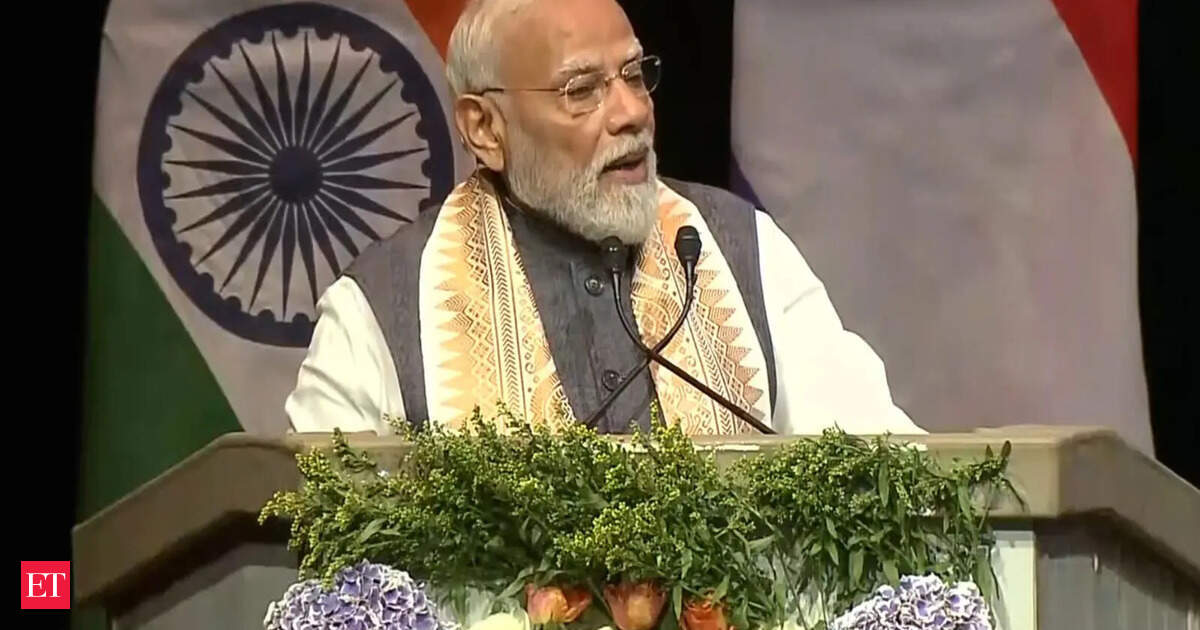
Brickwork Ratings estimates that Prime Minister Modi's seven behavioral appeals for voluntary demand reduction could create a USD 37.8 billion forex buffer for India this fiscal year. The rating agency's assessment comes as crude prices are expected to stay above USD 100 per barrel for the rest of 2026 and the rupee trades near INR 95/USD.
The report argues that voluntary cuts across fuel, gold, and fertilizer consumption may give the government fiscal breathing room at a time when its ability to absorb oil price pass-through is thinning. This is not a policy mandate but a behavioral nudge aimed at the demand side of India's import equation.
The simple read is that lower consumption of imported commodities directly reduces the current account deficit. The better market read involves the liquidity and valuation mechanics. A USD 37.8 billion buffer represents roughly 1.1% of GDP based on current estimates. That is meaningful enough to shift the Reserve Bank of India's intervention calculus.
When the RBI faces a rupee under pressure, it has two primary tools: direct spot market intervention (selling dollars) or tightening liquidity to make rupee carry more attractive. A demand-side reduction in import volumes reduces the structural demand for dollars, which means the RBI can achieve the same exchange rate defense with fewer reserves spent. This changes the risk-reward for speculative short-rupee positions.
India imports about 85% of its crude oil requirements. Every USD 10 per barrel increase in oil prices adds roughly USD 15 billion to India's import bill. With crude above USD 100, the annualized import cost increase is substantial. The Brickwork Ratings estimate of a USD 37.8 billion buffer effectively offsets more than two years of oil price shock at current levels.
The key transmission channel runs through inflation expectations. Lower fuel demand reduces the pass-through to retail inflation, which in turn gives the RBI more room to hold rates rather than hike in response to currency weakness. That rate differential matters for carry traders evaluating the rupee against the dollar.
The behavioral appeals create a watchlist scenario for USD/INR. The pair has been testing the INR 95 handle, a level that historically triggers RBI intervention. If the demand-side measures show measurable results in monthly import data, the rupee could find a temporary floor without aggressive central bank action.
Traders should track two data points: monthly petroleum product consumption figures from the Petroleum Planning and Analysis Cell and gold import data from the commerce ministry. A sustained 5-10% drop in either category would validate the Brickwork thesis. The risk is that behavioral appeals work slowly, leaving the rupee exposed to near-term oil price spikes before the buffer materializes.
For forex market analysis and real-time positioning data, the weekly COT data tool tracks speculative positioning in the rupee. The currency strength meter can help compare the rupee's momentum against other Asian FX pairs during this demand-side experiment.
Prepared with AlphaScala research tooling and grounded in primary market data: live prices, fundamentals, SEC filings, hedge-fund holdings, and insider activity. Each story is checked against AlphaScala publishing rules before release. Educational coverage, not personalized advice.