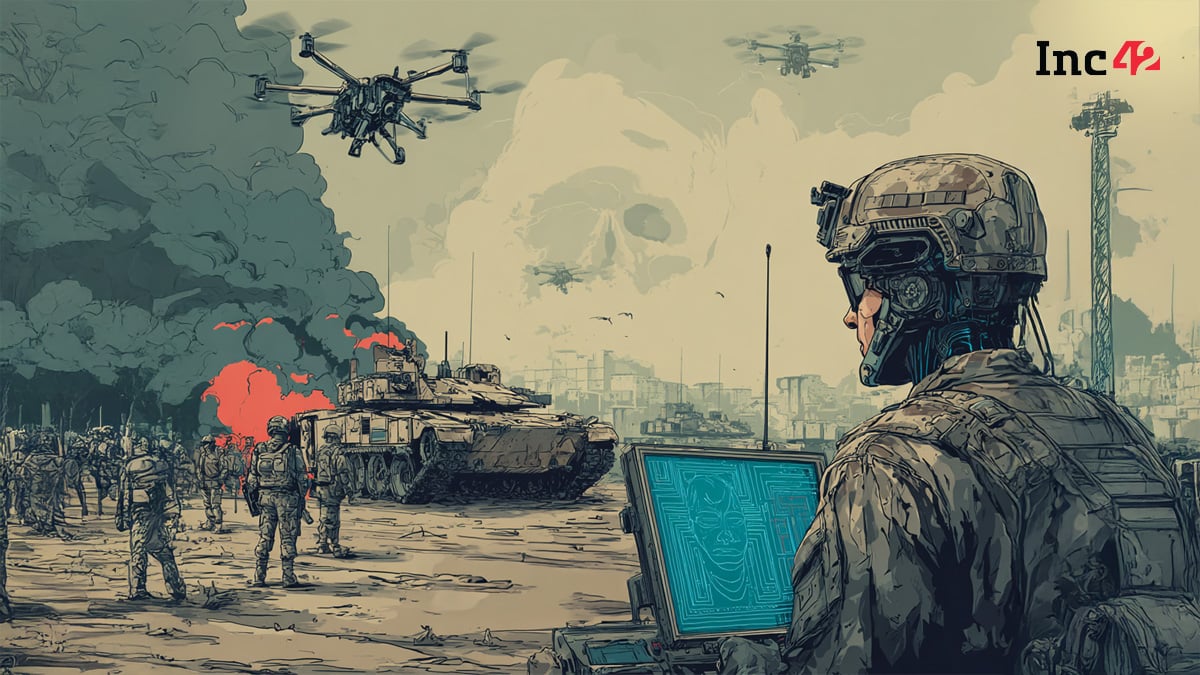
The Indian defense sector is undergoing a structural transformation as the government moves to integrate artificial intelligence into core military operations. A new initiative involving Sarvam and several other AI startups to establish a $300 million Center of Excellence (CoE) marks a pivot from experimental pilot programs to the deployment of large-scale, sovereign AI models. This move aims to provide the armed forces with advanced capabilities in surveillance, reconnaissance, and automated decision-support systems.
Strategic Deployment of Sovereign AI
The establishment of this CoE represents a departure from reliance on off-the-shelf international software. By fostering domestic development, the defense establishment intends to ensure that AI models are trained on indigenous data sets, which is critical for maintaining security in sensitive operational theaters. The focus on surveillance and reconnaissance suggests that the military is prioritizing the ability to process vast streams of sensor data in real time. This capability is expected to reduce the cognitive load on commanders by automating the identification of anomalies and potential threats across complex geographical landscapes.
Sectoral Read-Through and Industrial Impact
The integration of AI into defense machinery is not merely a software upgrade but a fundamental change in how the military manages its information architecture. The following areas are expected to see the most immediate impact from this initiative:
- Real-time data processing for border surveillance and threat detection.
- Automated decision-support systems that synthesize historical intelligence with live field data.
- Development of secure, localized AI infrastructure that minimizes dependence on external cloud providers.
This shift creates a clear pathway for domestic startups to transition from niche research projects to long-term government contractors. For the broader stock market analysis, the move signals a growing appetite for defense-tech spending that prioritizes high-margin software solutions over traditional hardware procurement. As these startups scale their operations, the defense sector may see a re-rating of companies that can successfully bridge the gap between civilian AI innovation and military-grade reliability.
Valuation and Future Catalysts
The $300 million investment serves as a foundational capital injection, but the long-term value will be determined by the successful transition of these models into active duty. Investors should monitor the progress of the CoE in meeting specific milestones related to data sovereignty and interoperability with existing legacy systems. The next concrete marker for this narrative will be the formal rollout of the first batch of AI-integrated surveillance tools, which will provide a clearer picture of how these startups manage the rigorous certification processes required by the Ministry of Defence.
While the current focus is on domestic capability, the successful implementation of these systems could eventually lead to export opportunities for Indian defense-tech firms looking to provide similar sovereign AI solutions to allied nations. The trajectory of this initiative will likely influence future budget allocations for technology-led defense modernization, making the CoE a key indicator of the government's commitment to building a self-reliant military industrial complex.