Stocks● Neutral
India's CEA Warns: Mistaking Yourself for a Machine Hurts Trading
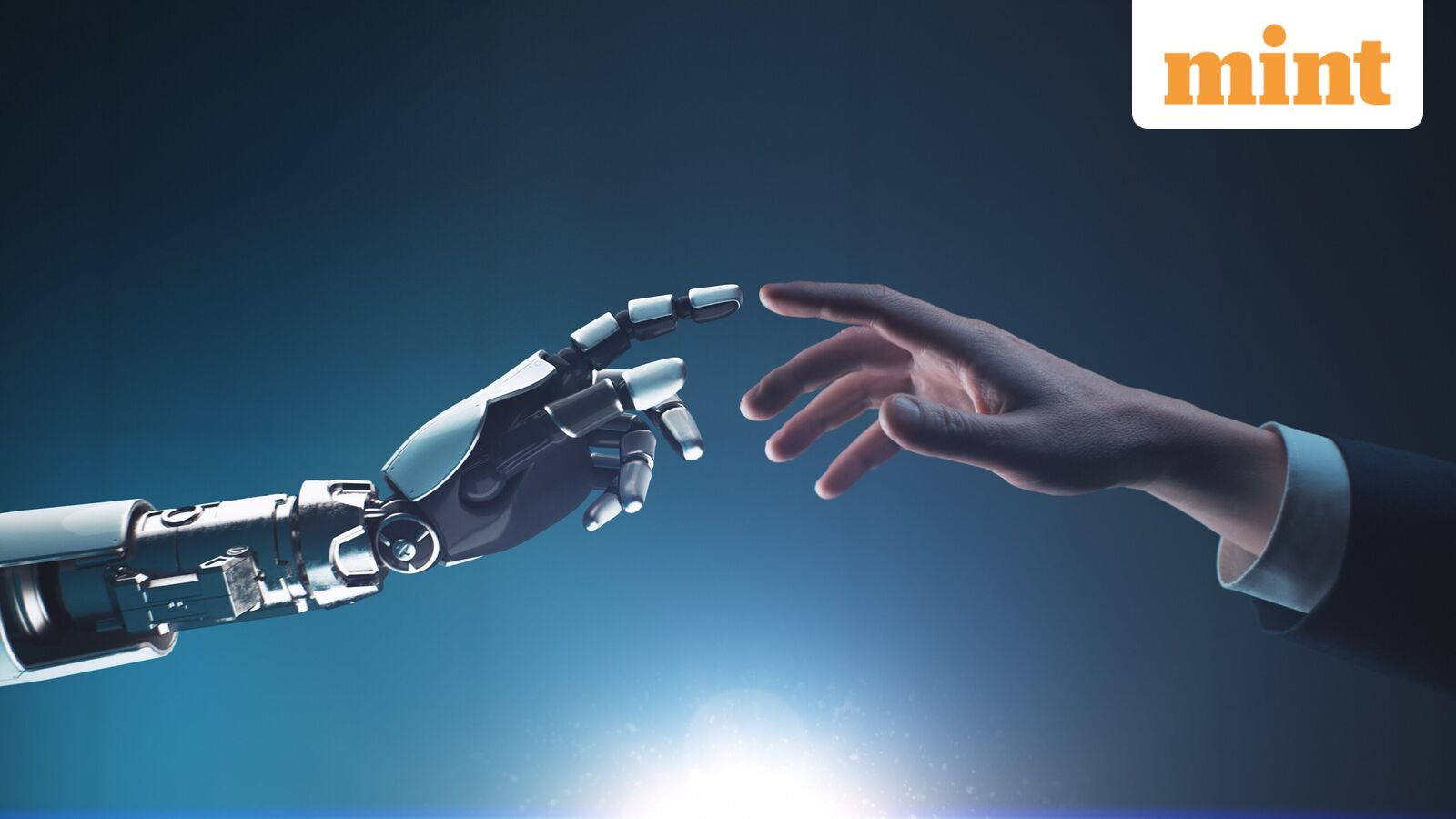
V.A. Nageswaran argues the brain-as-computer metaphor is iatrogenic. For traders, the danger is real: outsourcing judgment to algorithms hollows out the skill that wins.
Continue with
Somewhere on the internet right now, a human is being asked to prove she is human. She hunts for crosswalks and traffic lights in a grid of blurred photographs, then clicks until a machine accepts her. Alan Turing asked whether a machine could pass for a human. We have inverted the test: now the human performs humanity for the machine's approval.
V.A. Nageswaran, India's chief economic advisor, draws on that small ritual in a recent Mint essay. He cites a Financial Times piece by Sarah O'Connor, 'The human brain is not a machine,' and argues that the real danger is not machines rising to meet us. The danger is us lowering ourselves to meet them.
The brain-as-computer metaphor is not a finding. It is a projection. Every age projects its most advanced technology onto the mind. Descartes, amid hydraulic automata in royal gardens, saw nerves as pipes and spirits as fluid under pressure. The Victorians, having laid the telegraph, spoke of a switchboard. We live in the computer age, so the mind becomes hardware running software.
Nageswaran calls this metaphor iatrogenic, a treatment that produces the illness it tries to cure. Reached for to help understand ourselves, it remakes us in its image. We buy books on maximizing productivity. We strap devices to our wrists to measure everything. We speak of needing to 'recharge' before we 'burn out.' The machine metaphor, intended to illuminate, ends up lowering the bar for the human.
That same trap plays out daily in trading and investing. The productivity culture that measures streaks and turns meditation into a leaderboard is the machine metaphor applied to the self. O'Connor's book, 'We Are Not Machines,' warns that automation does not simply replace work. It hollows out the work that survives. People are set to supervising algorithms that once did their thinking. The job grows more intense and more solitary.
Frederick Winslow Taylor, the early 20th-century engineer, broke craft into measurable fragments and turned men into components of a machine. The same fragmentation happens when a trader outsources analysis to a black-box model, keeping only the supervisory role, watching the machine trade. The creativity, the pattern recognition that comes from lived experience, atrophies.