Commodities● Neutral
India's CAFE-III Credits Open a Non-EV Path to Fuel Targets
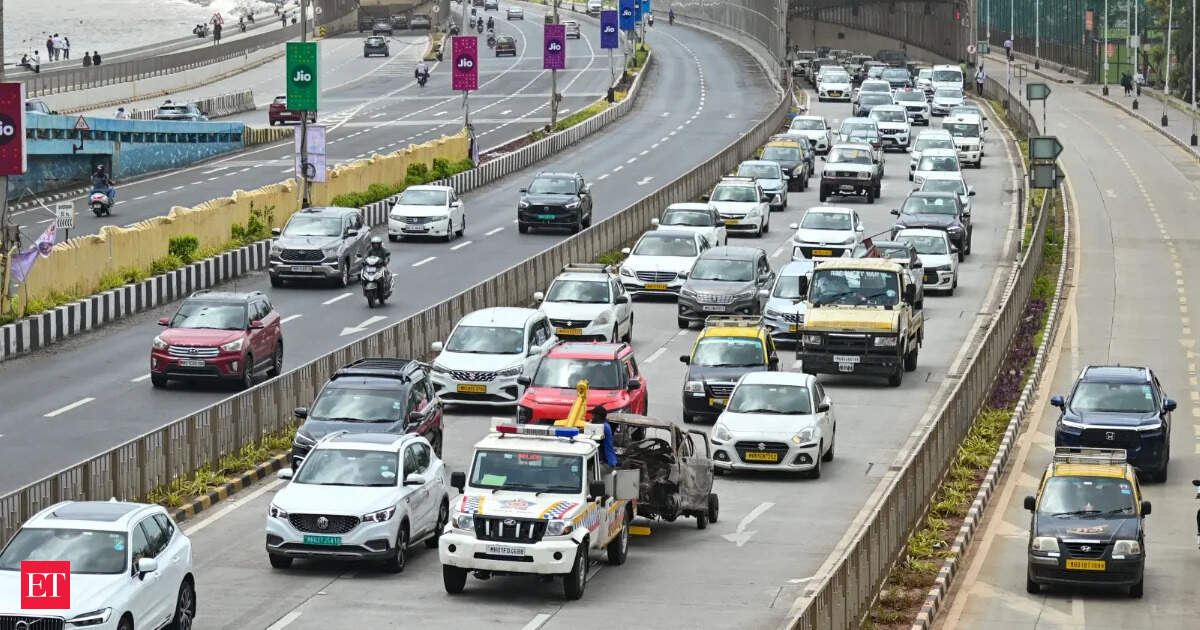
India's CAFE-III draft lets automakers earn credits for start-stop systems, regenerative braking, and flex-fuel engines, a non-EV path to stricter fuel targets.
Continue with
India's proposed CAFE-III fuel efficiency rules will let automakers earn compliance credits for technologies that do not require a plug. Start-stop systems, regenerative braking, and flex-fuel engines all qualify, according to the draft framework circulated by the Bureau of Energy Efficiency.
The credit system gives manufacturers a way to meet stricter fuel economy targets without relying entirely on electric vehicle sales. That matters in a market where EVs still account for less than 3% of new car registrations. A mass-market hatchback fitted with a start-stop system and a flex-fuel engine could earn enough credits to offset a less efficient SUV in the same model lineup.