Stocks● Neutral
India Slashes Airport Fees by 25% to Support Aviation Sector
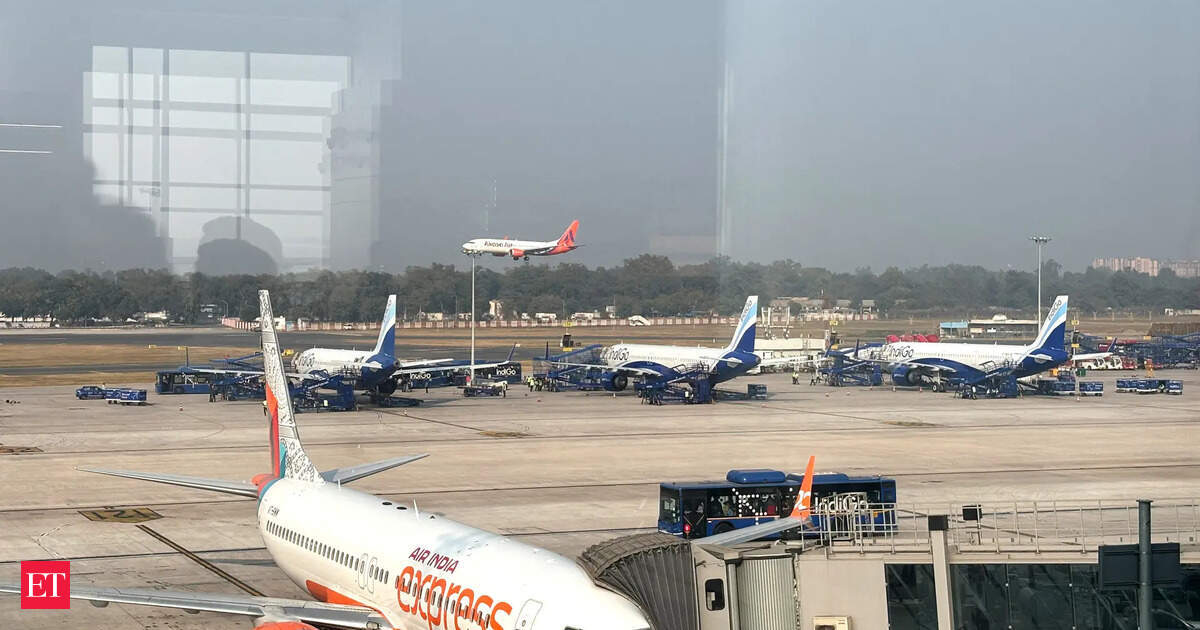
Regulators cut landing and parking fees for three months to offset rising fuel costs. Investors should watch for margin expansion in upcoming earnings.
Continue with
A Strategic Pivot for India’s Aviation Sector
In a decisive move to bolster the liquidity of the nation’s beleaguered aviation industry, the Airports Economic Regulatory Authority (AERA) of India has mandated a significant 25% reduction in landing and parking fees for domestic flights. This temporary relief measure, set to remain in effect for a three-month duration, serves as a direct response to the escalating financial strain felt by major carriers currently navigating a volatile global macroeconomic environment.
The decision comes as a direct intervention following formal appeals from India’s leading airlines. These carriers have been grappling with a "perfect storm" of rising operational costs, exacerbated by the ongoing conflict involving Iran and the subsequent imposition of restrictive airspace protocols. These geopolitical tensions have forced airlines to alter flight paths, leading to increased fuel consumption and longer transit times—costs that have historically been passed down to the bottom line.
Market Context: The Cost of Geopolitical Volatility
For the Indian aviation sector, which has been in a fragile state of recovery following the post-pandemic supply chain disruptions and high oil prices, the reduction in landing and parking fees represents a vital lifeline. These specific charges—often referred to as 'aeronautical charges'—constitute a recurring and significant portion of an airline’s operating expenditure (OPEX). By trimming these costs by a quarter, the regulator is acknowledging that the current operational environment is no longer sustainable under existing tariff structures.
This policy shift is particularly significant because it prioritizes the operational continuity of domestic carriers over the short-term revenue goals of airport operators. While the move is currently capped at a three-month window, AERA has confirmed that these adjustments will be integrated into broader, long-term tariff reviews, suggesting a potential for more permanent structural shifts should the geopolitical landscape fail to stabilize.