Commodities● Neutral
India's Aluminium Industry Split Over Scrap Import Duties
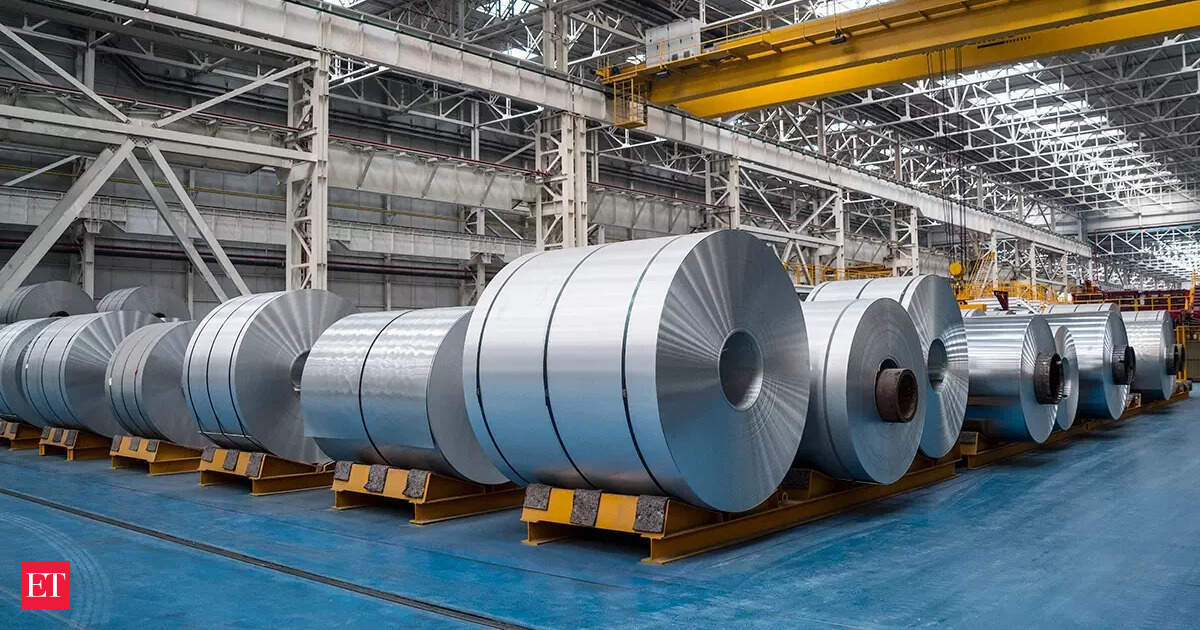
Primary producers want stricter scrap import controls to protect ₹3 lakh crore investments, while downstream users push for cheaper raw materials. The government's decision will reshape margins.
Continue with
India's aluminium industry is split over import duties. The Aluminium Association of India, which represents primary producers, wants stricter controls on scrap imports and quality regulations. It argues that rising imports of substandard scrap threaten more than ₹3 lakh crore of planned investments.
Downstream users see the issue differently. Fabricators that turn scrap into finished products want cheap raw materials. They oppose new duties that would raise costs. The split pits two parts of the supply chain against each other.
The investment figure is large. ₹3 lakh crore in planned capacity expansion depends on a stable market for primary aluminium. If cheap scrap undercuts domestic smelters, those investments may not materialise. That is the core of the producers' argument. The ₹3 lakh crore investment pipeline is part of a broader push to expand domestic aluminium capacity, as discussed in our commodities analysis.
Scrap imports have grown steadily. India is a major importer of aluminium scrap, mainly from the United States and Europe. Quality concerns have surfaced. Some scrap contains mixed alloys or contaminants that make it unsuitable for high-grade applications. Producers say this depresses prices for primary aluminium and discourages investment in new smelters.