Commodities● Neutral
India's 11% Cotton Duty Removal Talks Signal Supply Squeeze
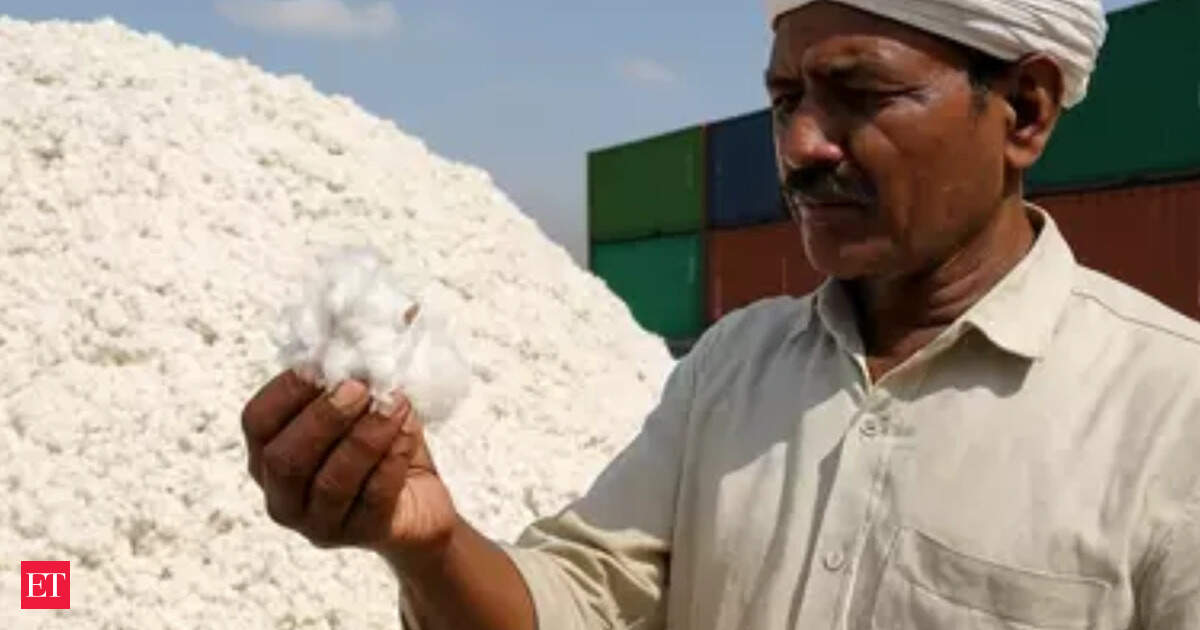
India is in advanced talks to remove the 11% cotton import duty. Spinning mills would benefit from lower costs. Domestic farmers, however, face potential margin pressure. Decision expected soon.
Continue with
The Indian government is actively considering removing the 11 percent customs duty on raw cotton imports. Ministries are in advanced consultation, responding to a persistent supply-demand gap that has raised input costs for the domestic textile industry. A decision is expected soon.
The simple read is that scrapping the duty would lower the landed cost of imported cotton, directly benefiting spinning mills and downstream manufacturers. The better market read goes deeper. India is normally a net cotton exporter. The current supply-demand gap suggests a weaker domestic harvest or an increase in mill consumption that the domestic crop cannot fully satisfy in quality or quantity. Removing the duty signals that policymakers recognise this structural mismatch.
Spinning Mills Stand to Gain Most
The immediate beneficiaries are spinning mills, which convert raw cotton into yarn. Cotton accounts for roughly 60 to 70 percent of their input cost. An 11 percent reduction on the duty for imported cotton would lower that cost base directly, improving margins in a sector where global price competition is fierce. The read-through extends to fabric manufacturers and garment exporters, who rely on competitively priced yarn. If the duty is removed, Indian textile exporters could regain some of the pricing edge lost to rivals in Bangladesh and Vietnam, where raw material access is often cheaper.
The cost relief would be especially timely. The textile industry has lobbied for duty removal for months, arguing that high raw cotton prices erode export competitiveness. The government’s advanced-stage consultation indicates that the argument has gained traction within ministries.