Indian refiners to avoid Iran blacklist tankers on security fears
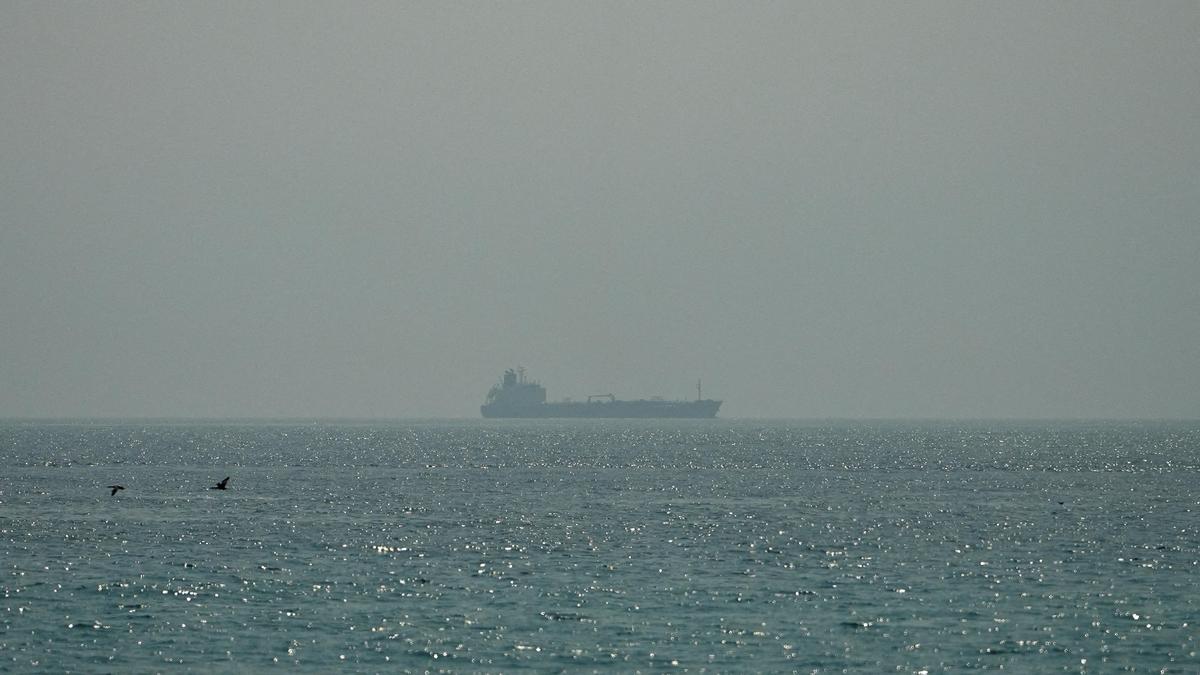
Indian refiners plan to stop using vessels on Iran's new 45-ship blacklist for Middle Eastern crude transfers, citing security risks. The move could tighten available tanker supply and raise freight costs for compliant tonnage.
At least three Indian oil refiners and a global energy major plan to stop using vessels on Iran's new blacklist, including for ship-to-ship transfers, due to security concerns, four sources with direct knowledge of the matter said this week.
Tehran on Sunday announced a blacklist of 45 ships it said had broken its rules for crossing the Strait of Hormuz, and said it would take action against any vessels transferring loads with them. The move escalates Iran's threats over the key waterway six months into the U.S.-Israeli war on Iran.
The blacklist appears designed to impede the shuttle runs Gulf oil producers such as the United Arab Emirates and Saudi Arabia have undertaken with dedicated tankers to move oil from the Gulf through Hormuz for unloading via ship-to-ship transfers in the Gulf of Oman onto ships bound for end-users. Those shuttle runs have kept alive West Asian oil flows that Iran's clampdown on shipping through the strait has curtailed.
The named vessels could be fined, detained and have their cargoes confiscated, according to a post on X from the Persian Gulf Strait Authority, a new body Iran set up to manage the strait.
"We will avoid our chartered vessels dealing or STS or anything to do with non-compliant ships for Middle Eastern cargoes," said one of the sources, who works at an Indian refinery. The sources declined to be identified because of the sensitivity of the issue.
Some of the tankers Iran listed are owned or chartered by Saudi Aramco and Abu Dhabi National Oil Co. The ships have been used for shuttling crude, refined products and liquefied natural gas out of the Gulf for STS transfer off Fujairah in the UAE or Sohar, Oman, according to shipping data. Saudi Aramco and ADNOC declined to comment.
Ana Subasic, a trade risk analyst at shiptracking firm Kpler, said the most compliance-sensitive buyers are expected to avoid these vessels, but the trade is more likely to reroute through alternative tonnage, counterparties or transfer locations than disappear altogether.
Several charterers and shipping firms are discussing internally whether to continue their STS operations and are evaluating Iran's warning, multiple other trade and shipping sources said. One of them, a Gulf crude buyer, said it would be safer to buy oil on a delivered basis shipped to a final destination instead of free-on-board at STS locations in the Gulf of Oman. Those sources also declined to be identified.
"Our internal departments are still in discussion on how to proceed with crude deliveries from the Strait of Hormuz via ship-to-ship transfers in the long term," said Formosa Petrochemical Corp President KY Lin.
Iran has previously attacked several of the tankers, including the Wedyan, Mombasa B and Al Bahyah.
Two of the 12 very large crude carriers on Iran's blacklist were no longer giving their location through their automatic identification systems by Tuesday after the list was released. The rest have had their AIS transponders switched off for weeks.
"The key issue is contagion," Kpler's Subasic said. If Iran follows through on threats to penalize vessels that conduct STS transfers with blacklisted tankers, that should narrow the pool of willing shipowners, charterers and buyers, particularly among firms with material Gulf exposure, while increasing due-diligence requirements and potentially freight, insurance and risk premia, she added.
The Indian refiners' decision mirrors a broader shift in the tanker market as traders and shippers weigh the cost of running afoul of Tehran's new enforcement regime. The blacklist targets vessels that have continued to move oil through the strait despite Iran's earlier warnings, and the threat of cargo confiscation raises the financial stake for anyone caught in a transfer.
For Indian buyers, who rely on Middle Eastern crude for roughly 60% of their imports, the immediate effect is a tighter pool of available tankers. The three refiners and the global major that spoke to this publication are among the largest regular charterers in the region. Their decision to blacklist the 45 vessels could push freight rates higher for compliant tonnage as demand for clean ships rises.
The rerouting Subasic described is already visible in the data. Several of the blacklisted VLCCs had already gone dark before the announcement, a sign that owners anticipated the move. The question now is whether the remaining compliant fleet can handle the volume without a spike in costs.
Iran's post on X said the listed vessels face fines, detention and cargo seizure. The Persian Gulf Strait Authority did not specify a timeline for enforcement. The Indian sources said their companies are treating the warning as credible given Iran's history of attacks on tankers in the waterway.
Formosa's Lin said the company is still assessing how to handle long-term crude deliveries through the strait. The Taiwanese refiner is one of the largest buyers of Gulf crude in Asia and relies heavily on STS transfers off Oman.
The blacklist adds a layer of compliance risk to an already complex trade route. Before the war, about 17 million barrels a day of crude and products moved through the Strait of Hormuz. The shuttle-and-STS system has kept a portion of that flowing, but each new Iranian threat raises the bar for participants.
For now, the Indian refiners' move is the clearest signal yet that the buyer side of the market is drawing a line. Whether other Asian importers follow will depend on how aggressively Iran enforces the new list and whether the remaining shuttle fleet can absorb the redirected volume.
Drafted by a large language model from the source reporting linked above, then screened by automated publishing checks. It is not read by a journalist before publication. Some articles cite our Alpha Score. Verify prices and figures against the original source. Educational coverage, not personalized advice.