Stocks● Neutral
Indian Railways Fly Ash Plan Could Create 1,400 Monthly Rakes
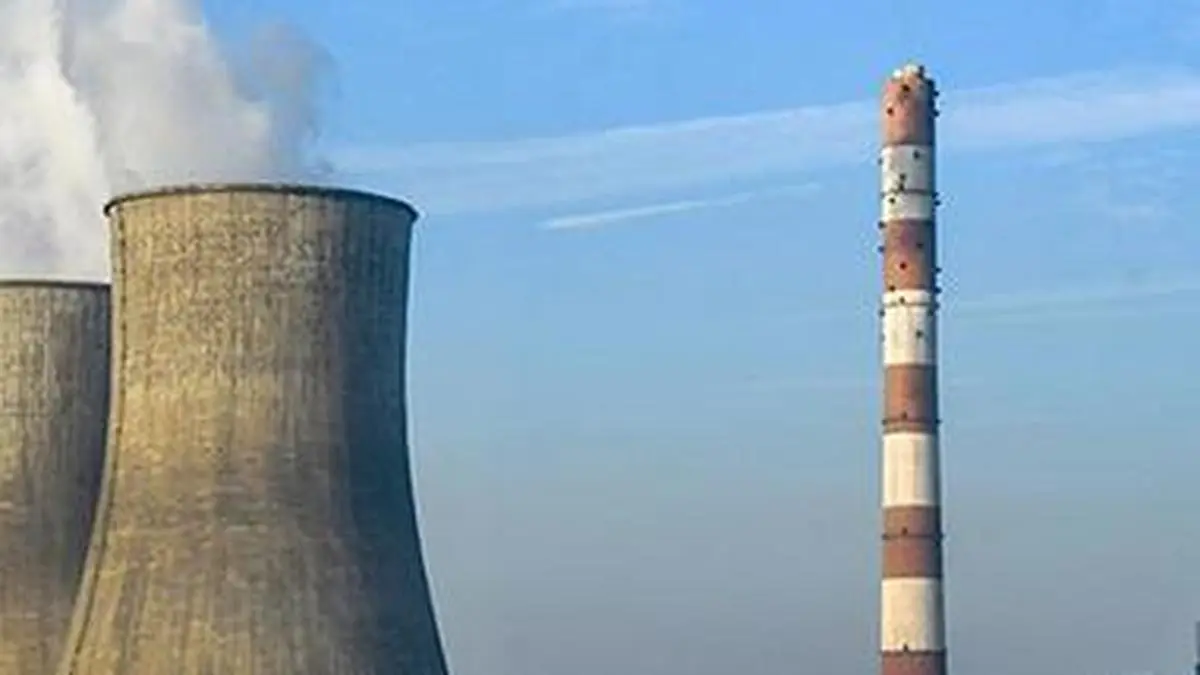
The Railways' green logistics initiative for fly ash could add 1,300-1,400 rakes per month, cutting logistics costs for cement and construction by 20-40%.
Continue with
The Indian Railways plans to build a dedicated logistics network for fly ash, the residue from coal-fired power plants. The goal is to move 85 million tonnes a year by rail, up from almost nothing today. If it works, that would mean 1,300 to 1,400 full rakes every month – a new bulk freight segment for a system that still depends heavily on coal.
India produces about 340 million tonnes of fly ash annually. Much of it goes into cement and bricks. A large share still travels by truck or sits in ponds. Railways says it can do better. Specialised containers and dedicated corridors would connect the power plants in eastern and central India with industrial users in the north, west and south.
Lalit Chandra Trivedi, former General Manager of Indian Railways, told The Hindu BusinessLine that the distances matter. “Fly ash sources and consumption centres are often separated by 300-1,500 km, making rail the most economical long-distance transport mode,” he said. Road transport becomes expensive beyond 250 km. Rail can cut long-distance freight costs by 20 to 40 percent, depending on terminal efficiency, he added.
The environmental math is also favourable. One rail rake replaces 60 to 70 heavy trucks, saving diesel and cutting emissions. That part fits the government’s push to reduce road congestion and carbon output, though the initiative itself is a commercial freight play, not a subsidy programme.