Stocks● Neutral
Indian Power Employees Ready to Fight ‘Backdoor’ Privatisation Plan
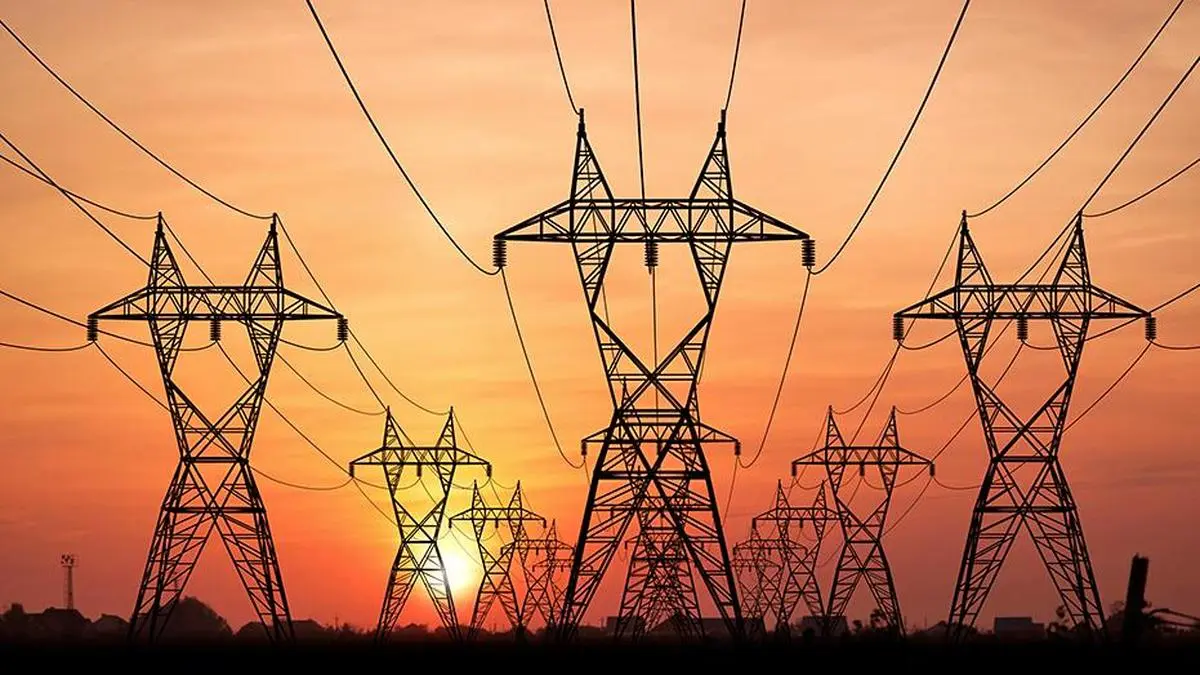
AIPEF warns 2.7 million power workers will protest if the government allows private firms to use state-owned electricity networks, calling the plan 'backdoor privatisation.'
Continue with
The All India Power Engineers’ Federation has warned that 2.7 million power sector employees and engineers will stage a nationwide protest if the government moves ahead with a plan to grant parallel distribution licences to private companies.
AIPEF Chairman Shailendra Dubey called the proposal “backdoor privatisation” of electricity distribution. The plan, discussed Thursday by the Consultative Committee of the Power Ministry, would allow new distribution licensees to supply electricity using the existing network in exchange for regulated wheeling charges. The goal is to introduce competition without making private companies build duplicate infrastructure.
“If any interruption in electricity supply occurs because of faults in the distribution network, the responsibility will continue to rest with the Government DISCOM that owns and operates the network,” Dubey said. “Will the private parallel licensee share this responsibility and the liabilities arising from such failures?”
Dubey argued that service quality depends on the distribution network itself, not on who sends the monthly bill. Ownership, operation, maintenance and upgrades all stay with the state-run distribution companies under the current framework, he said. “How can the mere entry of a private billing company improve the quality of electricity supply?”
AIPEF rejected the Ministry’s citation of Mumbai as a successful parallel-licensing model. Tata Power operates there in a limited, specifically notified area under judicial and regulatory arrangements where another private utility also operates, Dubey said. Adani Power cannot operate throughout Tata Power’s licensed area, nor can the state utility MSEDCL operate in those zones. “Mumbai cannot be cited as an example where multiple licensees are freely competing over the same Government-owned distribution network as now proposed by the Ministry,” he said.