Commodities● Neutral
Indian Oil's ₹42 LPG Price Hike Hits Industrial Users, Rivals Set to Follow
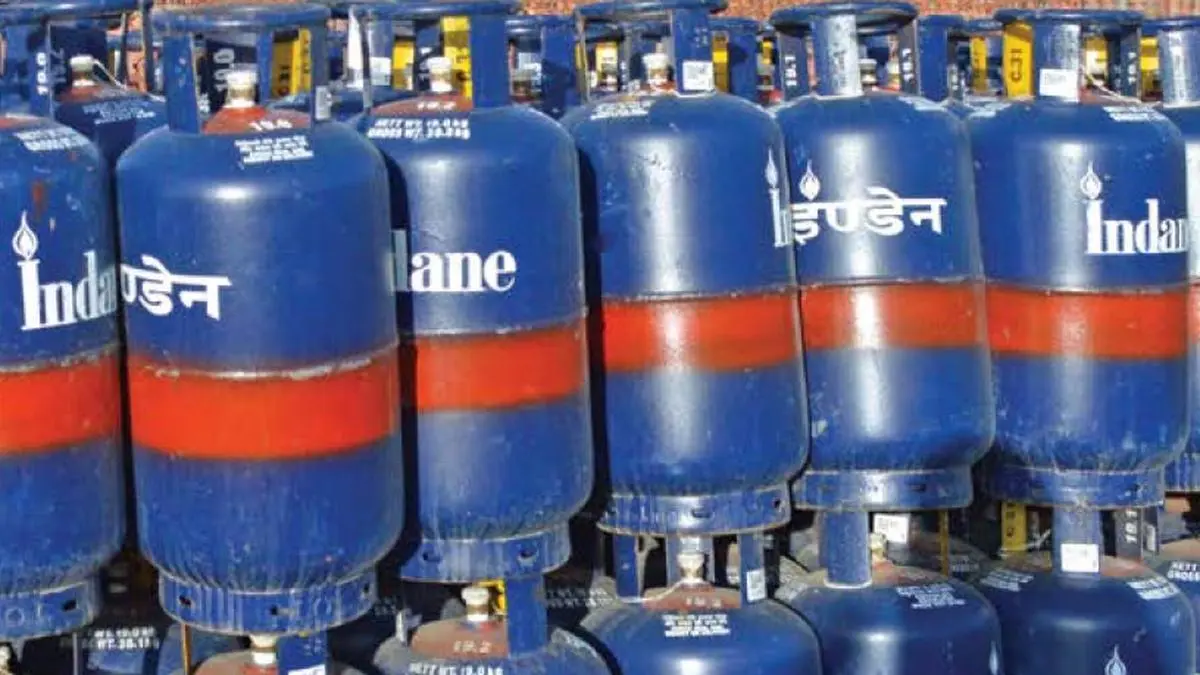
Indian Oil raised commercial LPG cylinder price by ₹42 to ₹3,113.50. The hike will likely be matched by Bharat Petroleum and HPCL, tightening industrial fuel costs.
Continue with
Indian Oil Corporation, the country’s largest state-run refiner and fuel retailer, raised the price of a 19 kg commercial LPG cylinder by ₹42 (about $0.44) to ₹3,113.50 from ₹3,071.50, according to its website. The move directly lifts input costs for industrial clients – restaurants, hotels, and small factories – that rely on these cylinders for cooking, heating, or process energy.
The hike is not an isolated decision. Indian state fuel retailers – Indian Oil, Bharat Petroleum Corporation, and Hindustan Petroleum Corporation – tend to revise retail prices in tandem. Each company watches the others’ pricing moves closely, and the lag between an initial change and a matching move is typically short, often the same or next working day. The read-through is that Bharat Petroleum and Hindustan Petroleum will follow with identical or near-identical increases on their commercial 19 kg cylinders.
Read-Through to Bharat Petroleum and Hindustan Petroleum
For traders monitoring the downstream energy sector, the ₹42 hike sets a benchmark. When Indian Oil moves first, the other two state retailers almost always align within a few sessions, barring a brief window for inventory adjustments or local taxes. The coordination is not official but market practice – all three buy from the same refineries and sell into overlapping geographies. Expect Bharat Petroleum and Hindustan Petroleum to publish matching price lists shortly.
Industrial Cost Pressure Rises as Commercial Cylinder Price Breaches ₹3,100
The ₹3,113.50 level is a psychological threshold. Commercial LPG cylinders had stayed below ₹3,100 since late 2023, and the breach marks a fresh high for the 2024 cycle. For end-users, the annual impact is material. A hotel or eatery using 50–100 cylinders per month faces an extra ₹2,100–₹4,200 in monthly costs. That kind of cost pressure often feeds through to menu prices or margin compression, especially in a season when consumer demand is already soft.