A Surge in Investor Confidence
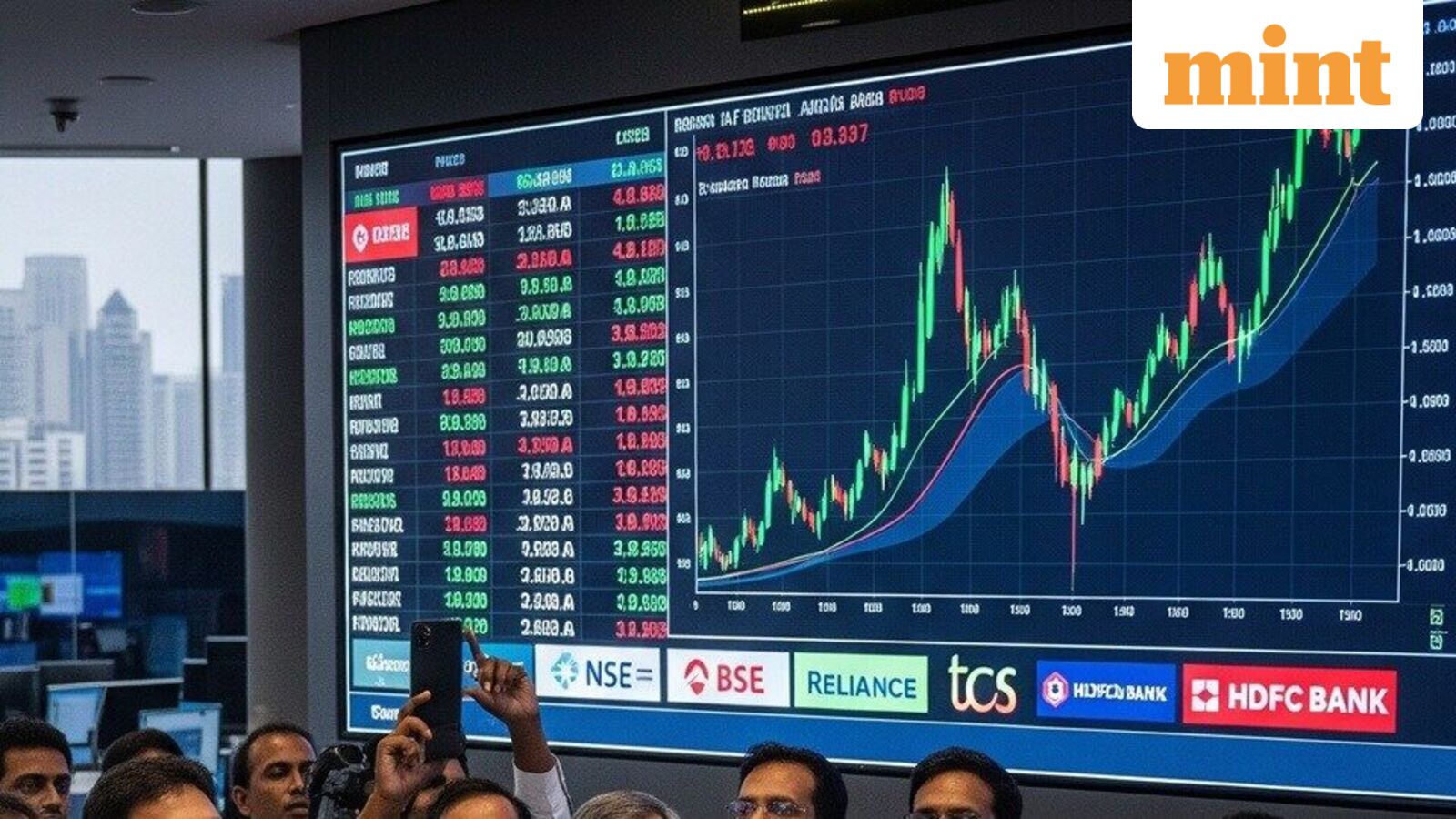
Indian equity markets witnessed a robust rally this week, as a cooling of geopolitical tensions between the United States and Iran spurred a significant wave of risk-on sentiment. The positive shift in market mood was clearly reflected in the valuations of the country’s most prominent corporations, with eight of India’s top ten most valuable companies adding a combined ₹4.13 lakh crore to their market capitalization (mcap).
As volatility indices receded, domestic institutional investors and foreign portfolio investors alike rotated back into heavyweight stocks, providing the necessary liquidity to drive a broad-based rally across the financial and industrial sectors. This surge highlights the resilience of the Indian market, which continues to act as a primary destination for capital seeking growth in an otherwise uncertain global macroeconomic environment.
The Winners’ Circle: Financials Lead the Charge
Leading the charge were the banking heavyweights, which benefited disproportionately from the improved risk sentiment. HDFC Bank and ICICI Bank emerged as the top performers, securing the leading positions in terms of value accretion. Their dominance underscores the market's ongoing confidence in the Indian financial sector’s credit growth cycle and asset quality stability.
Beyond the banking giants, the rally was notably diverse. Key players across multiple sectors saw significant gains, including:
- Bharti Airtel: Continuing its momentum as a telecom powerhouse.
- State Bank of India: Strengthening its position within the public sector banking space.
- Tata Consultancy Services (TCS): Demonstrating stability in the IT services segment.
- Bajaj Finance: Reflecting resilience in consumer lending.
- Larsen & Toubro: Benefiting from sustained infrastructure spending.
- Hindustan Unilever: Maintaining its status as a defensive staple in investor portfolios.
Collectively, these eight firms successfully captured the bulk of the week's market gains, pushing the aggregate valuation of the top-ten cohort significantly higher.
Contrarians: The Laggards
Despite the prevailing bullish trend, the rally was not universal. Reliance Industries and Infosys stood out as the notable exceptions, witnessing an erosion in their market valuations. For Reliance, the slight pullback may reflect profit-taking after recent highs or specific sector-related headwinds, while Infosys’s decline suggests that the IT sector remains sensitive to global demand fluctuations and currency volatility, despite the broader market tailwinds.
Market Implications and Trader Outlook
For traders and institutional investors, the data provides a clear signal: the Indian market’s reaction to the US-Iran ceasefire indicates that the 'fear premium' has been effectively priced out of the equities market for the time being. The rapid accumulation of ₹4.13 lakh crore in market value suggests that high-net-worth liquidity is readily available when geopolitical threats subside.
Traders should monitor the sustainability of this rally. While the financial sector is currently driving growth, the underperformance of tech heavyweights like Infosys warrants caution. A rotation out of banking into the IT sector—or a lack thereof—will be a key indicator of whether this rally has the breadth to sustain itself over the coming quarter.
What to Watch Next
Looking ahead, market participants will be closely watching for any signs of renewed geopolitical instability that could derail current momentum. Furthermore, the upcoming quarterly earnings season and central bank commentary from the Reserve Bank of India (RBI) will likely dictate the next phase of price action. With the indices currently buoyed by the heavyweights, any shift in the performance of the 'Big Two'—HDFC Bank and ICICI Bank—will likely dictate the near-term direction of the Nifty 50 and the broader market sentiment.