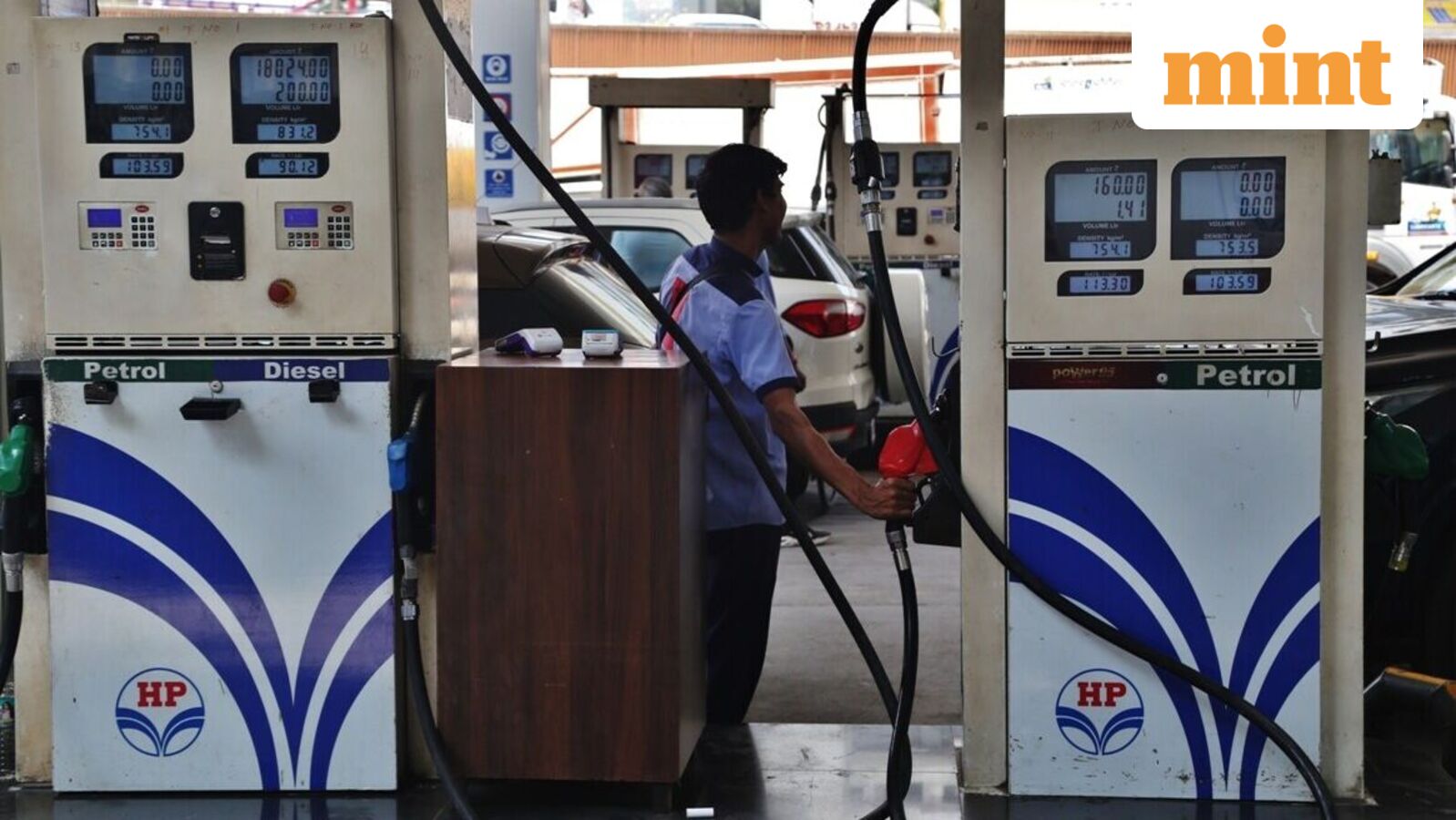
Indian retail fuel prices remained static on April 28, 2026, despite significant upward pressure on international crude benchmarks. The stability in domestic petrol and diesel rates persists even as geopolitical friction in the Strait of Hormuz and escalating tensions between the United States and Iran threaten global supply chains. Oil marketing companies continue to maintain current price points, effectively insulating the domestic market from the immediate volatility seen in global energy trading.
Geopolitical Risk and Supply Chain Vulnerability
The current disconnect between global crude benchmarks and Indian retail pricing is driven by the strategic positioning of state-backed oil marketing firms. These entities are absorbing the cost of international price spikes to prevent inflationary pass-through to consumers. The Strait of Hormuz remains a critical chokepoint for global energy transit, and any sustained disruption to tanker traffic creates a direct risk to the volume of crude reaching Indian refineries. As noted in recent Asia-Pacific energy security assessments, the reliance on Middle Eastern imports makes the domestic pricing mechanism highly sensitive to regional maritime security.
Inventory Management and Pricing Buffers
Domestic fuel prices are currently shielded by a combination of strategic petroleum reserves and the fiscal capacity of marketing companies to buffer against short-term price shocks. This strategy relies on the assumption that current geopolitical tensions will not result in a long-term structural supply deficit. The following factors are currently influencing the stability of the Indian fuel market:
- The absorption of import cost fluctuations by state-run oil marketing companies.
- The utilization of existing inventory buffers to mitigate the impact of spot market volatility.
- The continued monitoring of maritime transit safety through key energy corridors.
While the retail price remains unchanged, the underlying cost of procurement for Indian refineries continues to climb. This divergence creates a growing fiscal burden for the marketing companies involved. The sustainability of this pricing strategy is contingent on the duration of the current conflict and the ability of global suppliers to maintain consistent flow through alternative routes. For further context on regional energy dynamics, refer to our commodities analysis section.
AlphaScala data currently reflects a mixed outlook for broader industrial sectors impacted by these energy costs. ON Semiconductor Corporation (ON stock page) holds an Alpha Score of 45/100, while Amer Sports, Inc. (AS stock page) maintains an Alpha Score of 47/100, both reflecting the wider uncertainty in global supply chain costs.
The next concrete marker for this market will be the monthly adjustment cycle for fuel pricing or any formal policy announcement regarding the subsidization of retail fuel costs. Market participants should monitor the next round of refinery procurement data to determine if the current price freeze remains viable under sustained high crude prices.