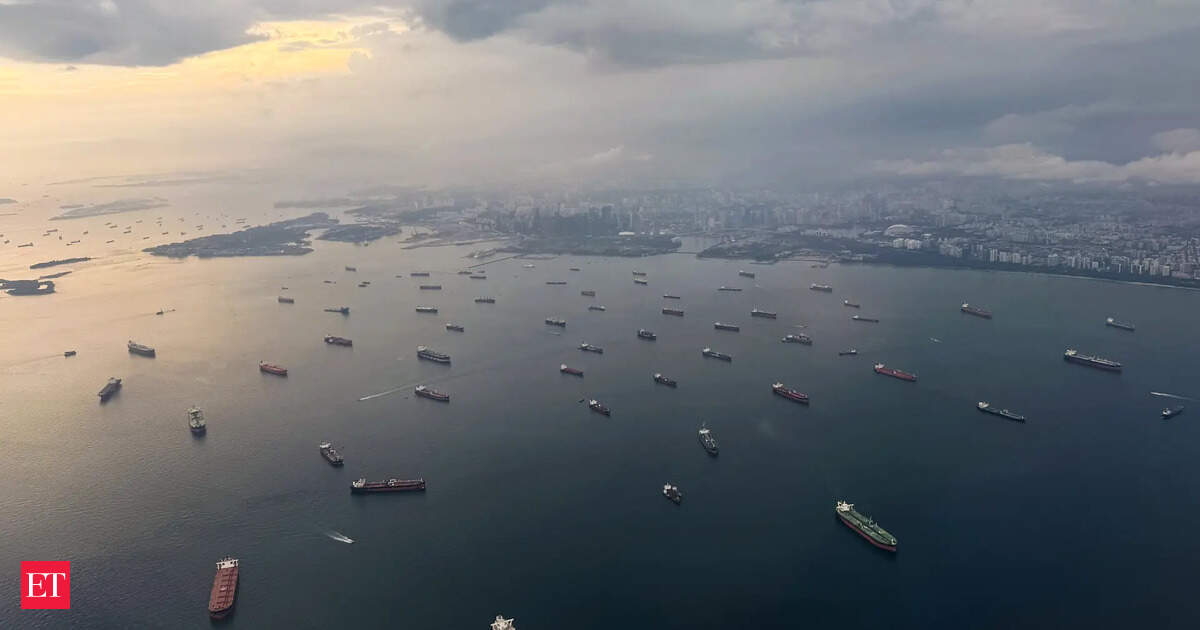
The Asia-Pacific region is currently navigating a severe fuel supply shock driven by ongoing geopolitical instability in the Middle East. As key maritime transit routes face heightened risk, the resulting volatility in energy markets is forcing governments across the region to deploy emergency measures to stabilize domestic supply chains. These interventions range from the implementation of aggressive fuel-use restrictions to the deployment of costly state-funded subsidies designed to shield consumers from surging energy prices.
Structural Vulnerabilities in Regional Energy Supply
The reliance on imported hydrocarbons leaves many Asia-Pacific economies uniquely exposed to supply-side shocks originating in the Middle East. Nations such as India, Japan, and Thailand are particularly sensitive to these disruptions, as their industrial bases require consistent, affordable energy inputs to maintain output levels. The current strain is not merely a pricing issue but a logistical one, as the potential for extended transit delays forces importers to reconsider the reliability of their existing supply corridors.
Governments are responding through a combination of short-term and long-term strategies:
- Tapping into national strategic petroleum reserves to bridge immediate supply gaps.
- Diversifying energy import sources to reduce reliance on single-region transit routes.
- Implementing mandatory fuel rationing or usage caps to preserve critical industrial capacity.
Economic and Food Security Implications
The persistence of these energy constraints threatens to ripple outward into broader economic indicators. Energy costs act as a primary input for agricultural production and regional logistics, meaning that sustained high prices for fuel directly jeopardize food security across the region. Countries like Pakistan and the Philippines are at the forefront of this risk, where the combination of currency pressure and elevated energy import costs creates a compounding effect on domestic inflation.
If these supply disruptions continue, the ability of regional central banks to manage inflation will be severely tested. The focus remains on whether current reserve levels can sustain industrial demand through the next quarter. Should the geopolitical situation in the Middle East fail to stabilize, the next phase of this crisis will likely involve more severe industrial output curtailments and a potential shift in regional trade alliances as nations seek more secure, albeit potentially more expensive, energy partnerships.
AlphaScala data currently tracks various market sectors, including financials and consumer cyclicals, which may see indirect volatility as energy costs filter through the broader economy. For instance, KEY stock page reflects a moderate Alpha Score of 68/100, while AS stock page carries a mixed score of 47/100. These valuations provide a baseline for how broader market sentiment is pricing in regional economic uncertainty.
Market participants should monitor upcoming government energy policy updates and national inventory reports for signals on how long these emergency measures will remain in effect. The next concrete marker for this situation will be the release of regional trade balance data, which will quantify the fiscal impact of these fuel subsidies and the success of efforts to diversify energy procurement. For further context on how these shifts influence global energy flows, see our commodities analysis.