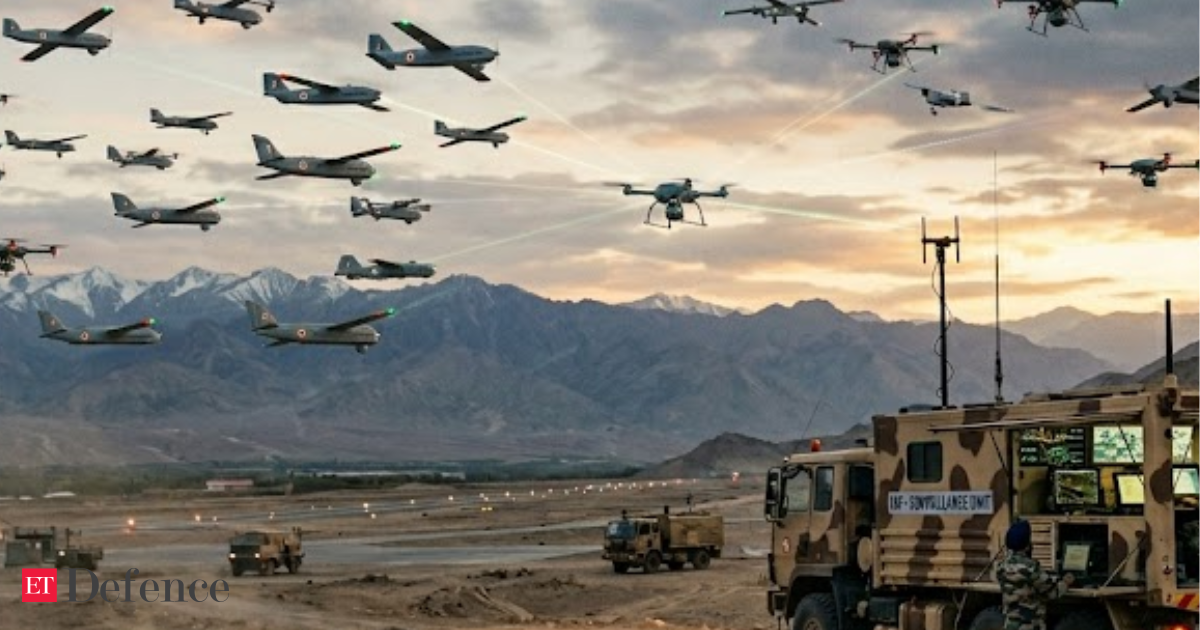
The Indian Air Force has launched a formal initiative to develop indigenous drone-based swarm radar systems, marking a strategic move away from reliance on static, ground-based surveillance infrastructure. By engaging domestic startups, academic institutions, and established defense manufacturers through the Mehar Baba Competition, the military aims to field a mobile, collaborative network of sensors capable of operating in contested airspace. This shift addresses the vulnerability of traditional radar installations, which remain susceptible to precision strikes and electronic jamming due to their fixed positions.
Decentralized Surveillance Architecture
The core objective of this program is to replace high-value, singular radar assets with a distributed swarm of smaller, agile units. Conventional radar systems often face a trade-off between coverage area and survivability, as their large signatures make them easy targets for modern anti-radiation munitions. A swarm-based approach allows the Indian Air Force to maintain persistent monitoring while minimizing the impact of individual unit losses. The collaborative nature of these systems means that if one node is compromised or disabled, the remaining units can reconfigure their spatial arrangement to maintain a coherent operational picture of the target environment.
This transition requires significant advancements in signal processing and inter-drone communication protocols. The military has identified several technical hurdles that participants must overcome to ensure the system remains effective in high-interference zones. These challenges include:
- Real-time synchronization of sensor data across a mobile, decentralized network.
- Development of low-power, high-resolution radar payloads suitable for small-scale unmanned aerial vehicles.
- Implementation of robust anti-jamming measures to protect the data link between swarm nodes.
Industrial Impact and Defense Sector Read-through
The push for indigenous development signals a tightening of the domestic defense supply chain. By prioritizing local startups and academic partnerships, the Indian Air Force is attempting to bypass the long lead times and high costs associated with importing specialized surveillance technology. For the broader defense sector, this move suggests a transition toward modular, software-defined hardware that can be upgraded in the field without requiring complete system overhauls. This strategy aligns with broader trends in stock market analysis where modularity and scalability are increasingly viewed as essential components of long-term defense viability.
While the technology remains in the development phase, the success of this initiative will likely dictate future procurement cycles for aerial surveillance. The ability of domestic firms to deliver a functional prototype will serve as a primary indicator of the local industry's capacity to handle complex, multi-layered electronic warfare requirements. Investors monitoring the defense space should look for follow-up disclosures regarding the specific technical milestones achieved by the competition finalists. These updates will provide the first concrete evidence of whether the swarm radar concept can transition from a theoretical advantage to a deployable military asset.
AlphaScala currently tracks various sectors for performance trends. For instance, companies like BABA in the consumer space or KEY in financials operate under different regulatory and market pressures, yet the demand for technological sovereignty remains a common theme across global industrial sectors. As the Indian Air Force moves forward, the integration of these swarm systems into the existing command and control framework will be the next critical marker for the program's long-term viability.