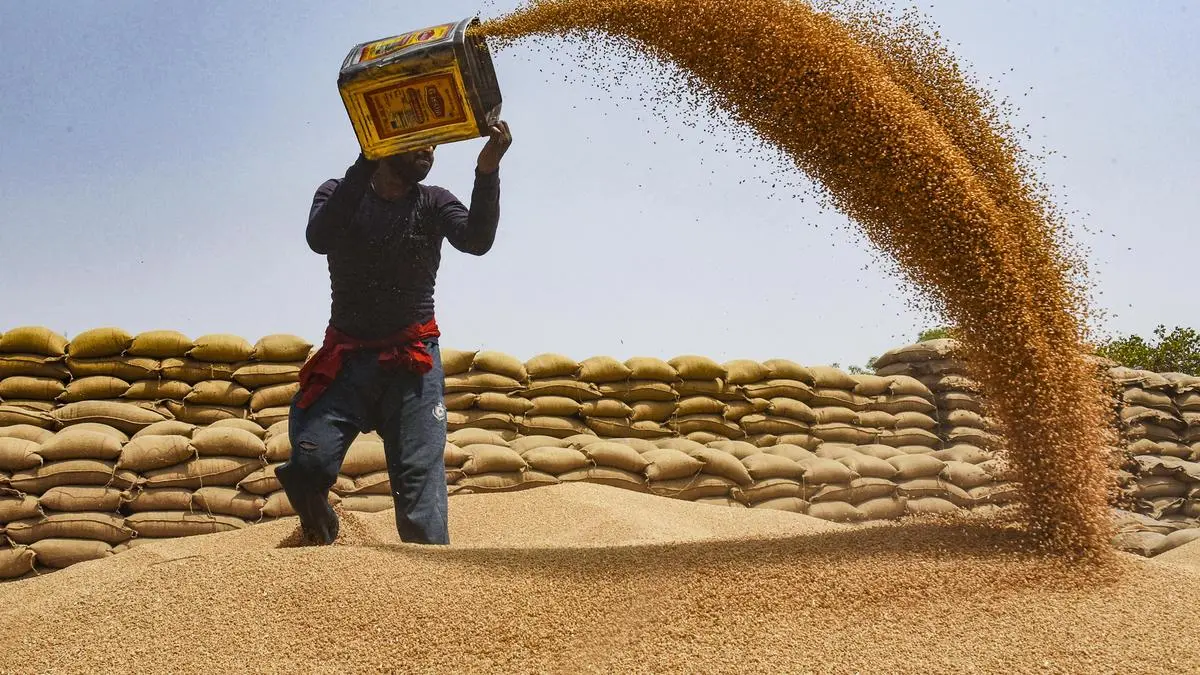
India’s government procurement of wheat for national buffer stocks reached 23.25 million tonnes by April 30, 2026. This represents a 9% decline compared to the 25.63 million tonnes secured during the same period in the previous year. The shortfall stems primarily from regional disparities in harvest intake and procurement efficiency across key agricultural states.
Regional Procurement Disparities
The most significant drag on national procurement figures originated in Madhya Pradesh. Purchases in this central state plummeted by 59% compared to the prior year. This sharp contraction in state-level intake serves as the primary driver for the overall national deficit. While Madhya Pradesh struggled to meet expected volumes, procurement operations in Punjab and Haryana remained stable. Both states successfully achieved their respective procurement targets, providing a necessary floor for the national buffer stock levels despite the weakness in central India.
Impact on Buffer Stock Strategy
Government buffer stocks function as a critical mechanism for domestic food security and price stabilization. The current 9% decline forces a reassessment of the total inventory available for public distribution systems. When procurement falls short of established targets, the government faces increased pressure to manage domestic supply through alternative measures, such as export restrictions or open market sales, to prevent localized price spikes.
Market participants continue to monitor the balance between state-level procurement and national consumption requirements. The reliance on Punjab and Haryana to offset the deficit in Madhya Pradesh underscores the vulnerability of the supply chain to regional production variability. As the procurement window closes, the focus shifts to how the government will utilize existing reserves to bridge the gap before the next harvest cycle begins.
For broader context on how agricultural supply shifts influence global pricing, see our commodities analysis. The current procurement data suggests that domestic supply constraints may remain a persistent theme for the remainder of the fiscal year. The next major catalyst for the market will be the government’s updated assessment of total grain availability and any subsequent policy adjustments regarding food grain exports or import duties.