Stocks● Neutral
India Uses LPG Crisis to Push Piped Gas Connections
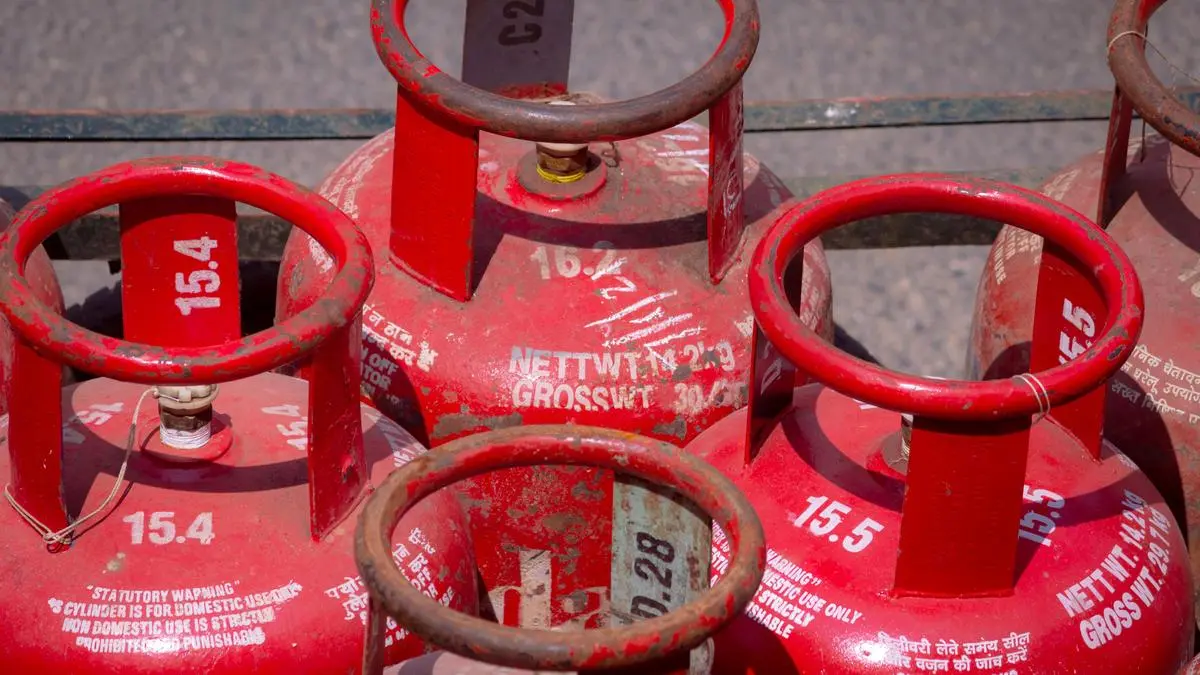
India will give city gas distributors extra cheap gas for each new piped connection, aiming to cut LPG imports amid West Asia supply disruptions. Payback drops to three years from ten.
Continue with
India will give city gas distributors extra cheap domestic gas for every new household piped connection they activate, the government said Tuesday. The incentive, effective September, is meant to accelerate the shift away from imported LPG as the U.S.-Iran conflict disrupts fuel shipments and drives up import costs.
Under the scheme, city gas companies receive an additional 200 standard cubic metres of domestically produced natural gas for each household they connect and that starts using piped natural gas (PNG). The extra allocation lowers the distributors' overall sourcing cost and helps them recoup investment in a new connection in about three years, down from roughly 10 currently, the ministry of petroleum and natural gas said.
Suppliers including Indraprastha Gas, Mahanagar Gas, GAIL Gas and Bharat Petroleum Corp have already offered reductions in installation charges for PNG connections since the war began. The new incentive targets the broader gap: India has about 17.4 million domestic PNG connections, compared with 331.4 million active household LPG customers as of July 1.
The country meets about 60% of its LPG needs through imports. It shipped in roughly 22 million metric tons of LPG in 2025, mostly from West Asia, spending nearly $12 billion. Every new PNG connection reduces that import bill and the associated subsidy spending.