McLaren dropped the 750S Spider by ₹3.32 crore to ₹5.46 crore. Jaguar Land Rover cut the Range Rover SV by ₹75 lakh and the Range Rover Sport SV by ₹40 lakh. The price reductions are already in effect, months before the India-UK Comprehensive Economic and Trade Agreement formally takes shape.
The treaty would lower customs duties on qualifying British-built completely built units from 110% to 30% initially, then taper under a quota system. The duty relief covers petrol cars with engines above 3,000cc and diesel models above 2,500cc. That puts the McLaren 750S Coupe, 750S Spider and GTS in the bracket, along with the largest Range Rovers.
The structure creates an unusual inversion in India’s premium car market. Some of the country’s most expensive petrol-powered supercars and luxury SUVs are suddenly cheaper. Premium electric vehicles and hybrids remain excluded from any duty reduction for the first five years. That means British-built EVs such as the Lotus Eletre or upcoming electric Range Rovers will keep attracting India’s existing high import duties through most of the decade. Mc Laren’s Artura hybrid does not qualify, even though it is built in Britain.
The exclusion runs counter to the government’s stated push for EV adoption. Industry executives said the agreement’s annual import quotas could create a new “quota economy” in luxury cars. Early buyers secure lower-tax imports. Later customers face long waiting periods once the annual allocation is exhausted.
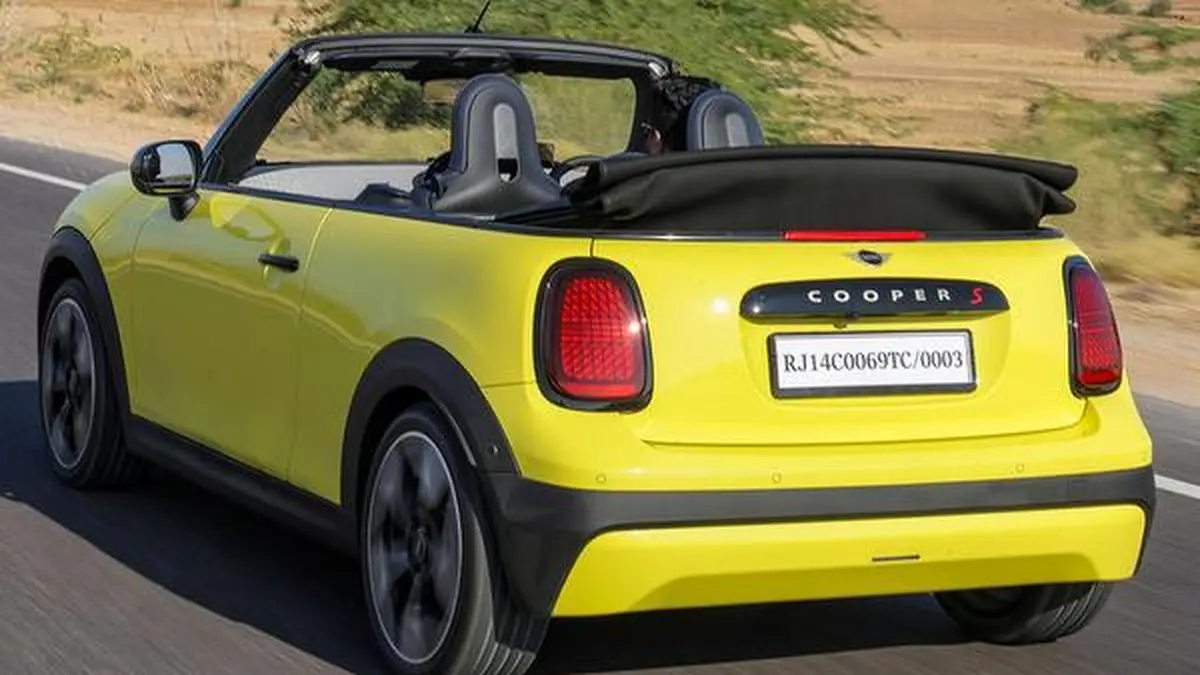
MINI India has introduced a “Price Protection Assurance” programme. Buyers who purchase the Cooper S now get a retrospective refund if customs rates officially drop within 180 days. That is the most concrete timeline signal available. The Cooper S could see price reductions of ₹8 lakh to ₹12 lakh depending on the variant.
The biggest beneficiaries in absolute terms are the highest-priced models with the largest engines, where the percentage duty saving multiplies against a bigger base price. Bentley, Aston Martin, and Rolls-Royce could trigger price reductions of ₹1 crore to more than ₹3 crore depending on engine size and specifications.
The treaty also creates a structural cost advantage for British-built luxury cars over German, Japanese, and American rivals that still pay 110% duty. Competitors cannot match the gap unless their home countries negotiate similar terms. That dynamic could shift buyer decisions toward the large-displacement ICE models in the short term, even among customers who would prefer an EV.
AlphaScala’s score for Intercontinental Exchange (ICE), which owns the New York Stock Exchange and operates clearing houses relevant to derivatives used in auto-sector hedging, sits at 35/100 labelled Mixed. The score reflects the structural uncertainty introduced by tariff changes that affect underlying asset values and hedging strategies. The ICE stock page offers further detail.
The agreement still needs parliamentary ratification in both countries. No date has been set for implementation. MINI’s 180-day refund promise is the closest thing to a deadline the market has. If the treaty clears by mid-2026, the current price reductions become permanent. If it stalls, the automakers are left holding the discount with no tariff change to offset it.