India to Replace Foreign Power Grid SCADA, Citing Cyber Risk
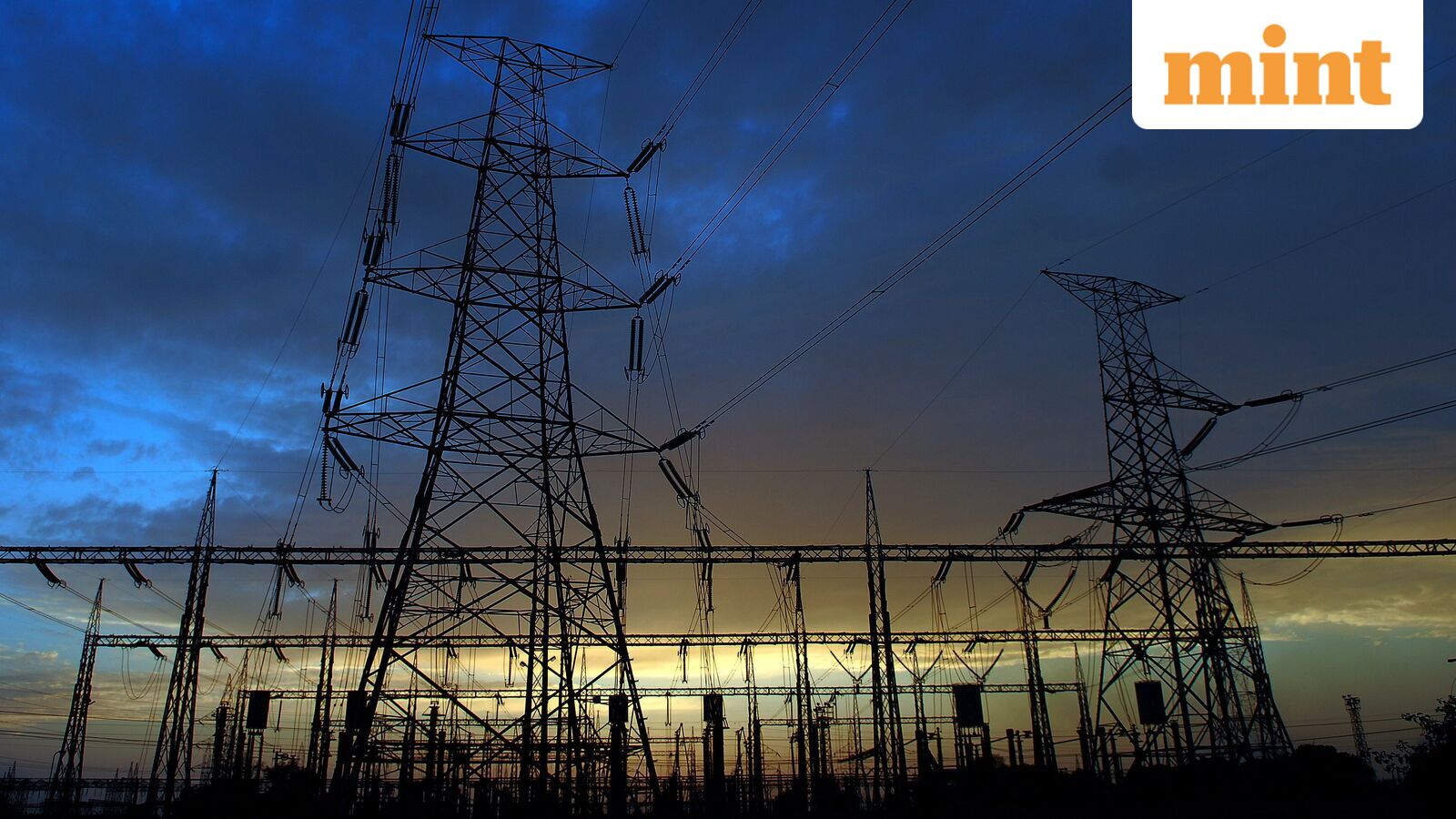
India's power planning body wants foreign SCADA software replaced by the end of the decade, citing cyber and supply-chain risks to the national grid.
India's Central Electricity Authority (CEA), the apex power sector planning body, published a roadmap to replace imported Supervisory Control and Data Acquisition (SCADA) software with domestically built systems by the end of this decade. The plan lands after years of concern over imported systems running India's electricity distribution and transmission networks. It targets a dependence on foreign suppliers that the CEA casts as a national energy security risk.
SCADA is the software-and-hardware layer that monitors and controls the power system from generation through distribution. Field instrumentation gathers signals from remote equipment and transmits them through a communication layer to a master station located away from the field. The master station analyzes the data and issues commands when action is needed. India's grid hierarchy runs three master-station levels, from the National Load Despatch Centre down through the regional and state load despatch centres. The layer underpins the "One Nation, One Grid, One Frequency" operating model through real-time monitoring and control.
Most of these systems come from foreign original equipment manufacturers whose technology is proprietary. Interoperability constraints, delays in customization, limited flexibility for system enhancements, and reliance on external support are the known costs of that model.
Chinese hackers targeted India's critical infrastructure, including power grids, in recent years, Mint reported. The CEA reads the dependence as a geopolitical exposure. Utilities running imported control software face supply-chain disruptions and delayed access to upgrades and support.
Renewable energy is a growing share of the generation mix. Grid instability and fault rates rise with it, and SCADA carries the fault detection and alerting that operators use to clear faults. The same systems monitor consumption continuously, which prevents unnecessary energy use and reduces energy costs.
In 2020, the power ministry constituted a committee chaired by a member (power system) of the CEA, with representatives from the governments of Andhra Pradesh, Gujarat, and Maharashtra, Power Grid Corp. of India Ltd, and other agencies. The committee submitted its report to the government in 2021. That report, "Possibilities of indigenous development of SCADA software for power system management," recommended an indigenous end-to-end solution built by a consortium of Indian developers, with standardized SCADA database models.
The new roadmap pairs an institutional framework with financial support. The CEA calls for a National SCADA Mission, or a specialized working group under the power ministry, to drive the indigenization effort. The Centre may nominate public sector undertakings with SCADA development experience to build the replacement, or form a consortium of Indian developers.
Funding is the roadmap's stated prerequisite. Resources for development and testing would come from government grants or a separate sustainable financing mechanism, the CEA said.
Drafted by a large language model from the source reporting linked above, then screened by automated publishing checks. It is not read by a journalist before publication. Some articles cite our Alpha Score. Verify prices and figures against the original source. Educational coverage, not personalized advice.