Stocks● Neutral
India Targets Exam Fraud With 10-Year Jail After Gen Z Protests
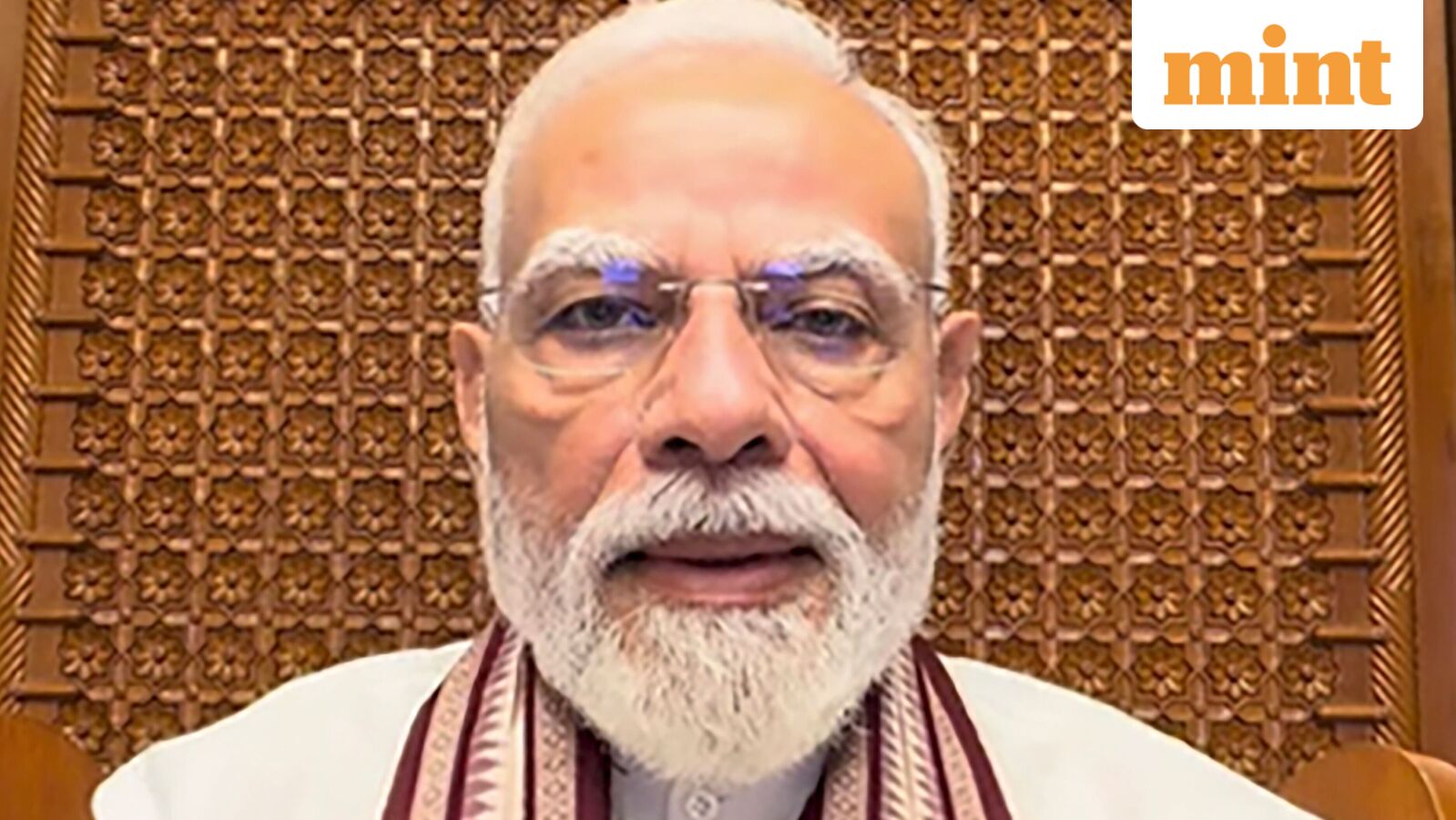
PM Modi's government proposes 10-year prison terms and ₹10 crore fines for exam paper leaks after month-long Gen Z protests. Fast-track trials included.
Continue with
Days after Prime Minister Narendra Modi addressed student protesters at Jantar Mantar as "friends," the Bharatiya Janata Party explained why he chose the term for the largely Gen Z crowd. The party also detailed the government's proposed crackdown on examination paper leaks.
In an Instagram post, the BJP wrote that "friends" was a commitment, not just a message. The post said Modi's government is working to safeguard merit and restore confidence in the examination system through stronger laws against paper leaks.
The protest, led by the Cockroach Janta Party, began June 20 after a NEET-UG paper leak was reported in May. Several students died by suicide in the aftermath. The crowd grew over weeks, spreading to Bihar and Maharashtra. On July 20, students staged a "Chalo Sansad" march on the first day of Parliament's Monsoon Session. Delhi Police used lathi charges and tear gas to disperse them.
On July 25, Education Minister Dharmendra Pradhan resigned, meeting the protesters' central demand. Activist Sonam Wangchuk ended a 26-day hunger strike the same day after meeting Union Ministers Jitendra Singh and JP Nadda.
The government's legislative response is the Public Examinations (Prevention of Unfair Means) Amendment Bill, 2026. The bill introduces strict timelines: trials must be completed within three months of filing a chargesheet, and appeals should be decided within three months. The debarment period for offenders rises to eight years.