Back to Markets
Commodities● Neutral

India Targets Ethanol Integration to Temper Crude Oil Dependency

India Targets Ethanol Integration to Temper Crude Oil Dependency
ONASARS

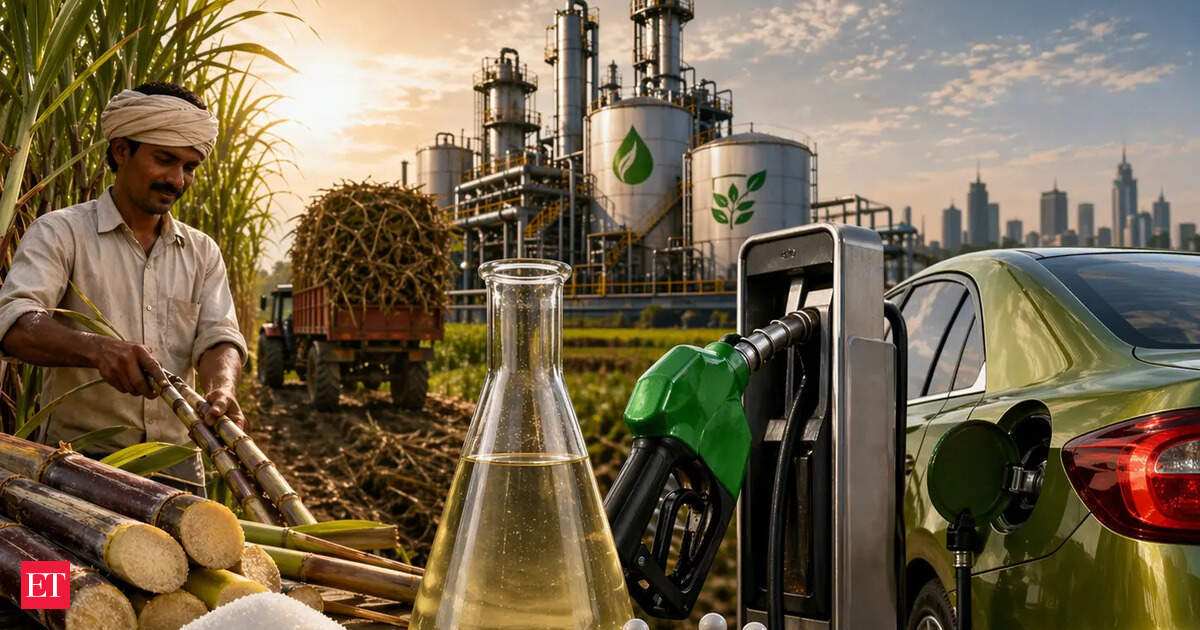
India is pivoting toward ethanol-blended fuels to reduce its reliance on crude oil imports, balancing agricultural output with energy security needs.

AlphaScala Research Snapshot
Live stock context for companies directly referenced in this story
Alpha Score
45
Weak

Alpha Score of 45 reflects weak overall profile with strong momentum, poor value, poor quality, weak sentiment.

Consumer Cyclical
Alpha Score
47
Weak

Alpha Score of 47 reflects weak overall profile with moderate momentum, poor value, moderate quality. Based on 3 of 4 signals — score is capped at 90 until remaining data ingests.

Alpha Score
55
Moderate

Alpha Score of 55 reflects moderate overall profile with moderate momentum, moderate value, moderate quality. Based on 3 of 4 signals — score is capped at 90 until remaining data ingests.

Basic Materials
Alpha Score
44
Weak

Alpha Score of 43 reflects weak overall profile with moderate momentum, weak value, weak quality. Based on 3 of 4 signals — score is capped at 90 until remaining data ingests.

This panel uses AlphaScala-native stock data, separate from the source wire linked above.

India is accelerating its transition toward ethanol-blended fuels as a strategic hedge against volatile crude oil import costs. By leveraging domestic agricultural output, the government seeks to decouple a portion of its energy consumption from global petroleum markets while simultaneously providing a price floor for local sugarcane farmers. This shift is not merely an environmental policy but a structural adjustment to the nation's energy balance sheet.

Scaling Domestic Ethanol Blending

The current policy framework mandates a rapid increase in ethanol blending ratios, moving toward a nationwide E20 standard. This transition requires significant modifications to existing refinery infrastructure and automotive engine specifications to ensure compatibility with higher alcohol content. Beyond standard road transport, the government is exploring the feasibility of E100 applications and the integration of biofuels into aviation fuel supplies. These efforts are designed to mitigate the fiscal burden of crude imports, which historically account for a substantial share of the national trade deficit.

Agricultural Supply and Energy Trade-offs

The success of this fuel strategy hinges on the consistent availability of sugarcane and other feedstock crops. Relying on agricultural output introduces a new set of variables to energy security, as crop yields are subject to seasonal weather patterns and irrigation constraints. The government must balance the demand for fuel production against the domestic food supply, ensuring that the diversion of sugar toward ethanol does not trigger inflationary pressure on food prices.

  • Expansion of distillery capacity to meet mandated blending targets.
  • Investment in flex-fuel vehicle infrastructure for consumer adoption.
  • Regulatory adjustments to manage the trade-off between sugar exports and fuel production.

This transition mirrors efforts seen in other major economies where biofuel integration serves as a buffer against crude oil profile price shocks. While the policy aims to stabilize energy costs, it effectively shifts the volatility risk from global oil markets to domestic agricultural cycles. The long-term efficacy of this plan will depend on the ability of the transport sector to absorb higher blends without compromising engine longevity or fuel efficiency.

AlphaScala data currently reflects a mixed sentiment across broader industrial sectors, with ON stock page holding an Alpha Score of 45/100 and A stock page at 55/100. These scores highlight the ongoing sensitivity of industrial and technology-heavy firms to the broader energy cost environment that India is attempting to reshape through its ethanol initiatives.

The Next Policy Marker

The next critical indicator for this transition will be the government's updated guidance on distillery capacity expansion and the subsequent adjustment of fuel surcharge mechanisms. As the country moves toward higher blending mandates, the ability of state-run oil marketing companies to maintain retail price stability will be tested. Market participants should monitor upcoming agricultural harvest reports and refinery throughput data to gauge whether the supply chain can support the aggressive E20 rollout schedule without requiring significant imports of biofuels.

How this story was producedLast reviewed Apr 23, 2026

AI-drafted from named sources and checked against AlphaScala publishing rules before release. Direct quotes must match source text, low-information tables are removed, and thinner or higher-risk stories can be held for manual review.

Editorial Policy·Report a correction·Risk Disclaimer