Stocks● Neutral
India stalls trade deal until US tariff picture clears
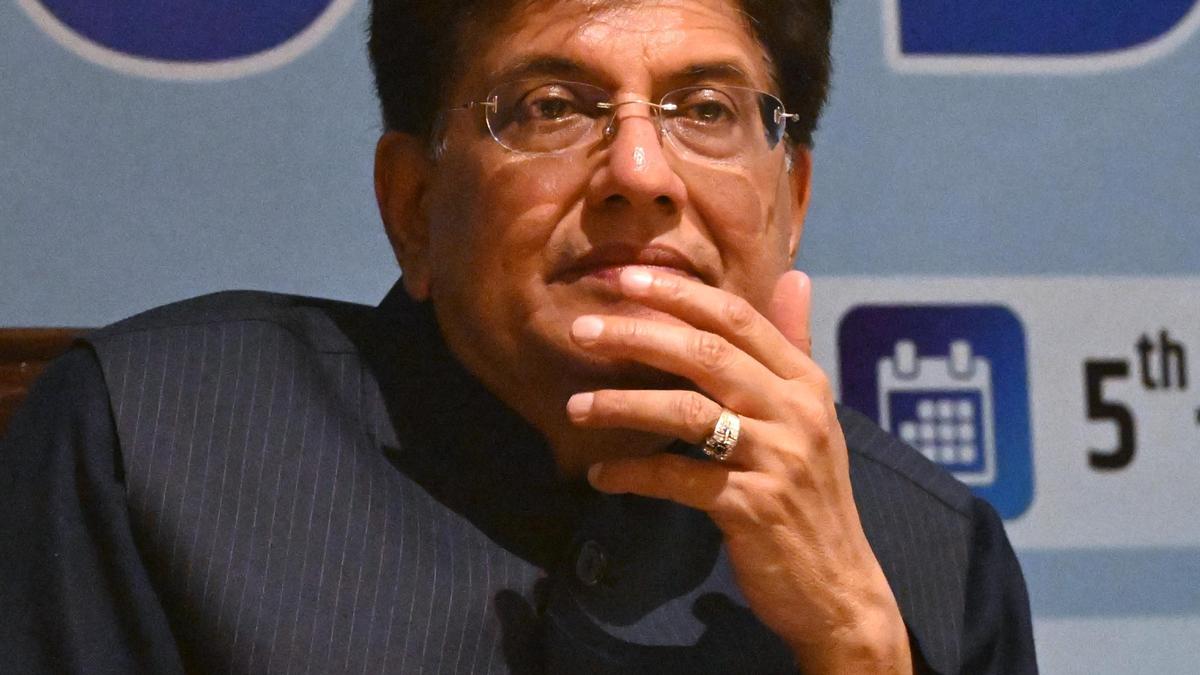
India asked the US to delay an interim trade deal until the tariff structure is clear, after the Supreme Court invalidated reciprocal tariffs changed the math.
Continue with
New Delhi has asked Washington to hold off on finalizing an interim bilateral trade deal until the US tariff structure becomes clearer, people familiar with the talks said.
At a high-level meeting this week between US Trade Representative Jamieson Greer and Commerce Minister Piyush Goyal, both sides acknowledged that unresolved issues – including the fate of Section 301 investigations and their impact on India versus competing countries – meant India could not lock in commitments made under the February framework, the people said.
"Washington has got the message that after the US Supreme Court invalidated the reciprocal tariffs, the equations had changed," one official tracking the matter said. "India can't accept commitments at the older levels without certain technical matters being resolved."
Goyal was blunter at a business event in London on Thursday. "Until the framework of getting that competitive advantage can be finalised, we can't enter into force a US deal," he said. "I don't think I can be more transparent than that."
The core issue is timing. When the framework deal was announced in February, the US had imposed a total of 50% tariffs on India under the International Emergency Economic Powers Act (IEEPA). Against that backdrop, the US proposal of 18% tariffs looked like a win – it put India at an advantage over most neighbors and ASEAN countries, Goyal said.