Stocks● Neutral
India Scales Back Russian Crude Imports as Logistics Normalize
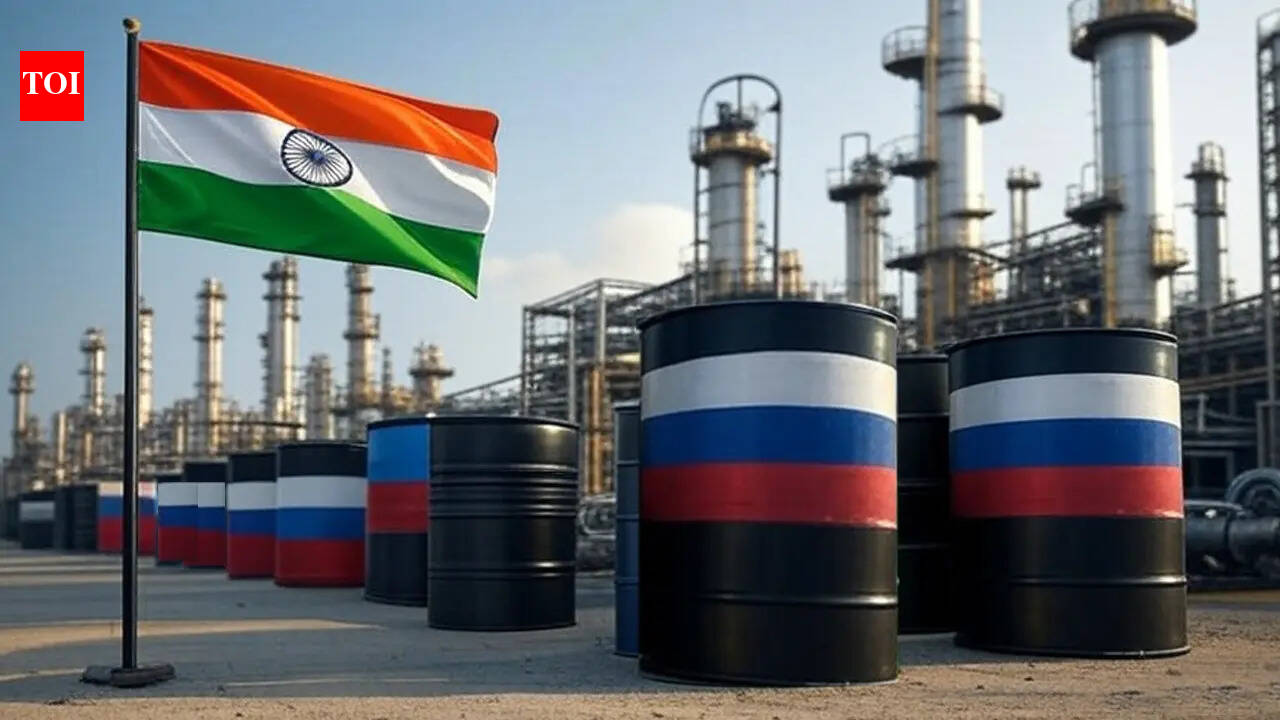
Narrowing price differentials drive a shift in procurement as Indian refiners prioritize efficiency. May import data will confirm if this trend sustains.
Continue with
Narrowing price differentials drive a shift in procurement as Indian refiners prioritize efficiency. May import data will confirm if this trend sustains.
Alpha Score of 43 reflects weak overall profile with moderate momentum, weak value, weak quality. Based on 3 of 4 signals — score is capped at 90 until remaining data ingests.
The recent stabilization of supply routes through the Strait of Hormuz has triggered a tactical shift in India's energy procurement strategy. After surging to record highs in March due to heightened geopolitical tensions and regional maritime disruptions, Indian imports of Russian crude oil have begun to retreat. This cooling in volume marks a departure from the reactive purchasing patterns that defined the first quarter, as domestic refiners recalibrate their reliance on discounted barrels against the backdrop of normalizing Middle Eastern logistics.
The current import landscape reveals a broad participation among Indian refiners, with nearly every major facility now integrating Russian crude into their feedstock mix. Numaligarh Refinery remains the notable exception to this trend, maintaining a distinct procurement profile. This widespread adoption suggests that Russian oil has moved from a temporary opportunistic hedge to a structural component of India's energy diet. However, the decline in April volumes indicates that refiners are increasingly sensitive to the narrowing price differentials between Urals and traditional Middle Eastern grades.
As logistical bottlenecks in the Middle East ease, the cost-benefit analysis for Indian refiners is shifting. The reliance on Russian supply was largely driven by the necessity to bypass the volatility and premium pricing associated with transit disruptions near the Strait of Hormuz. With those pressures moderating, the incentive to prioritize Russian barrels over established regional suppliers has diminished. This pivot is not necessarily a rejection of Russian energy but rather a return to a more balanced procurement model that prioritizes logistical efficiency and landed costs.
India's energy security strategy remains a complex balancing act between price sensitivity and supply chain reliability. The recent reduction in Russian imports highlights the agility of Indian refiners in navigating global supply shocks. By maintaining the infrastructure to process diverse crude grades, these companies retain the flexibility to pivot back to Russian supply should regional instability resurface. This operational optionality is a critical safeguard for the broader stock market analysis as energy costs remain a primary driver of domestic inflation.
AlphaScala data currently reflects varying sentiment across the broader market, with ALL stock page holding an Alpha Score of 71/100, indicating a moderate outlook in the financials sector. Meanwhile, NOW stock page carries an Alpha Score of 53/100, reflecting a mixed sentiment within the technology sector. These scores underscore the divergent pressures currently facing different segments of the economy as they manage input costs and shifting global trade flows.
The next concrete marker for this narrative will be the release of May import data, which will confirm whether the April decline represents a sustained trend or a temporary inventory adjustment. Market participants will be looking for signs of further normalization in trade flows and any subsequent impact on the margins of major Indian oil marketing companies. The durability of this shift will depend heavily on the stability of maritime transit routes and the continued availability of competitive pricing from alternative suppliers in the Middle East.
Drafted by a large language model from the source reporting linked above, then screened by automated publishing checks. It is not read by a journalist before publication. Some articles cite our Alpha Score. Verify prices and figures against the original source. Educational coverage, not personalized advice.