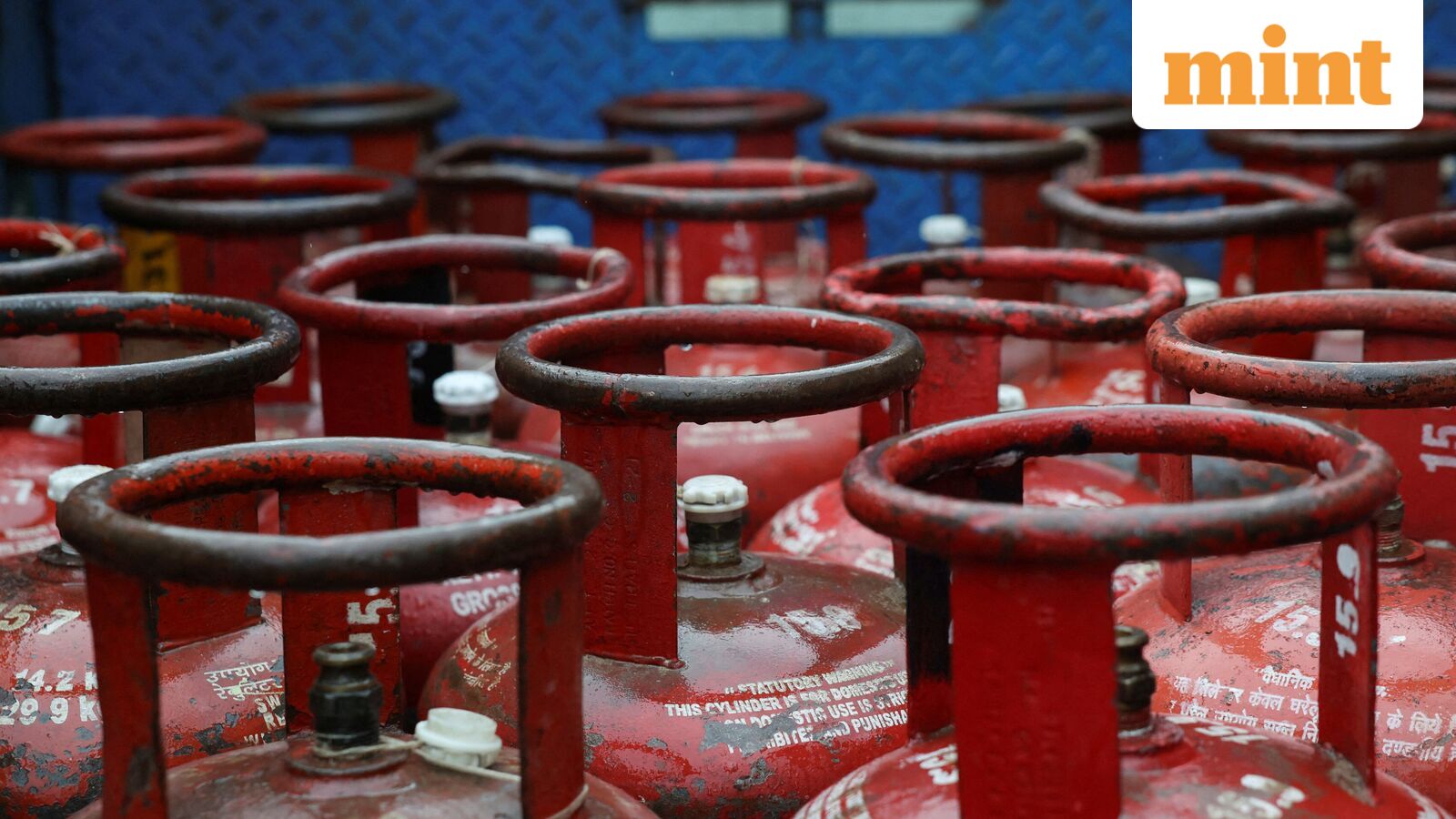
New Delhi ordered refiners to produce a maximum of 63,810 tonnes of liquefied petroleum gas per day for the first time, a move to plug supply gaps caused by the closure of the Strait of Hormuz. The Union ministry of petroleum and natural gas issued a notification on 13 August setting individual production caps for 21 refineries and upstream companies.
Refiners have already lifted output to 54,000 tonnes a day from 36,000 tonnes before the conflict in West Asia, the ministry said. India relied on the region for about 90% of its cooking gas imports before the war. Qatar, Saudi Arabia, the UAE and Kuwait were the main suppliers. The United States has since emerged as the largest source.
Reliance Industries Ltd, through its domestic-market unit, received the highest allocation at 18,000 tonnes per day. State-run exploration companies Oil and Natural Gas Corp. and Oil India Ltd, along with gas marketer Gail (India) Ltd, were also directed to contribute. The government required all refiners and upstream firms to build or maintain enough LPG storage, evacuation and transport infrastructure – either on their own or via railways and road tankers – to meet their assigned volumes.
“Central Government shall update the Schedule on 1 January and 1 July of every year, including updates to Liquefied Petroleum Gas production from new refineries and upstream oil companies,” the gazette notification said.
India imports about 65% of its annual LPG requirement of 33 million tonnes, an import bill of nearly $11 billion. The war pushed up global prices and strained supplies. The ministry recently told Parliament that state-run oil marketing companies had piled up more than ₹59,000 crore in under-recoveries from domestic cooking gas sales as of 31 July, up from about ₹51,000 crore at the end of June.
The government is also trying to diversify household cooking energy by expanding piped natural gas and induction cookstoves. The next scheduled update to the production targets is 1 January.
For broader context on how supply disruptions hit energy markets, see the commodities analysis page.