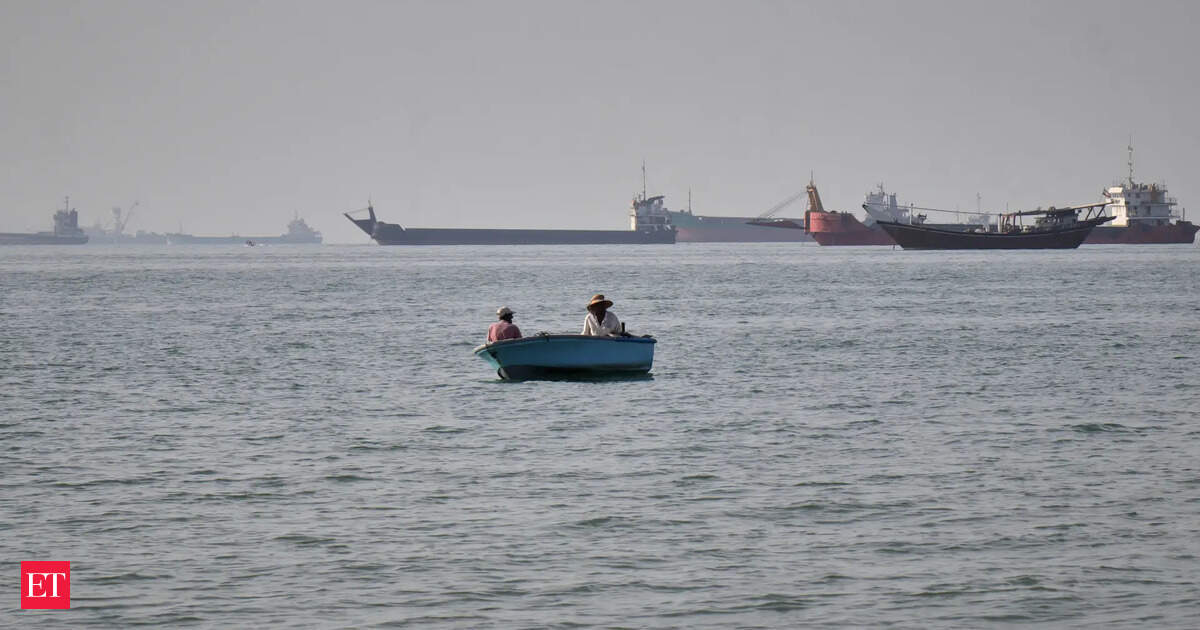
India is preparing to resume sending oil tankers through the Strait of Hormuz to pick up crude from Middle East suppliers for the first time since the Iran conflict began. State-run Shipping Corporation of India has confirmed it is ready to restart Persian Gulf operations, pending approval from the Indian Navy and cargo orders from refiners.
The move signals a potential shift in how India sources its crude, and it carries direct consequences for tanker rates, refining margins, and supply-chain dynamics across the oil sector.
Why the Strait of Hormuz Matters for Indian Refiners
India imports roughly 85% of its crude oil, and a large share originates in the Persian Gulf – primarily from Saudi Arabia, Iraq, and the UAE. The Strait of Hormuz is the only maritime passage for those cargoes. During the Iran conflict, the strait was effectively closed to Indian-flagged tankers, forcing refiners to rely on non-flagged vessels, longer-term charters, or alternative sources such as West African or US grades.
A restart of direct Indian tanker operations through Hormuz would shorten voyage times from about 25 days from the Gulf to Indian ports by several days, reducing freight costs per barrel. That compression in transport cost is the immediate mechanical benefit. The naive read is that supply flows resume and crude differentials tighten. The better market read is more nuanced: the actual impact depends on how quickly Indian refiners shift cargo volumes from spot charters back to state-owned tanker capacity, and whether the Navy approval precedes or follows refiner orders.
Shipping Corporation of India and the Tanker Fleet Readiness
Shipping Corporation of India operates a fleet of crude and product tankers. Its readiness to restart Hormuz operations suggests the company has maintained crew availability, insurance coverage, and vessel certifications despite the hiatus. The next catalyst is the Indian Navy approval, which will likely come as a formal navigation advisory. Refiners, including state-owned Indian Oil Corporation, Bharat Petroleum, and Hindustan Petroleum, will then place cargo orders.
The sequence matters. If refiners order cargoes first, the tankers may sail under existing insurance and crew arrangements. If the Navy approval lags, the restart could be delayed by weeks. The open question is whether the government sees the strategic value of restarting operations quickly, especially with global crude prices under pressure from rising US output and OPEC+ production discipline.
Sector Read-Through: Tanker Stocks and Supply Chains
The read-through for the broader oil sector is twofold. First, tanker rates on the Persian Gulf–India route, which have been elevated due to the conflict premium, could moderate if Indian-flagged vessels re-enter the market. That would pressure rates on competing routes as well, particularly for VLCC and Suezmax vessels that typically carry Gulf crude to Asian destinations.
Second, Indian refiners benefit directly from lower freight costs and improved supply security. A more stable import channel reduces the need for inventory hoarding and allows refineries to run closer to nameplate capacity. That could boost throughput and margins, especially for complex refineries that can process heavier Gulf crudes.
However – and this contrast is genuine – the restart does not eliminate chokepoint risk. The Strait of Hormuz remains a geopolitical flashpoint. Any renewed tensions would immediately disrupt operations again. India would then fall back on its Strategic Petroleum Reserves, which hold about 9.5 million tonnes of crude. Those reserves offer a cushion measured in weeks, not months.
For traders building a watchlist, the key inputs are: the Navy approval date, the first refiner cargo order, and any shift in spot-charter volumes versus state-tanker liftings. A confirmed cargo booking from Indian Oil or Reliance Industries would be the strongest signal that the restart is operational.
Related Reading