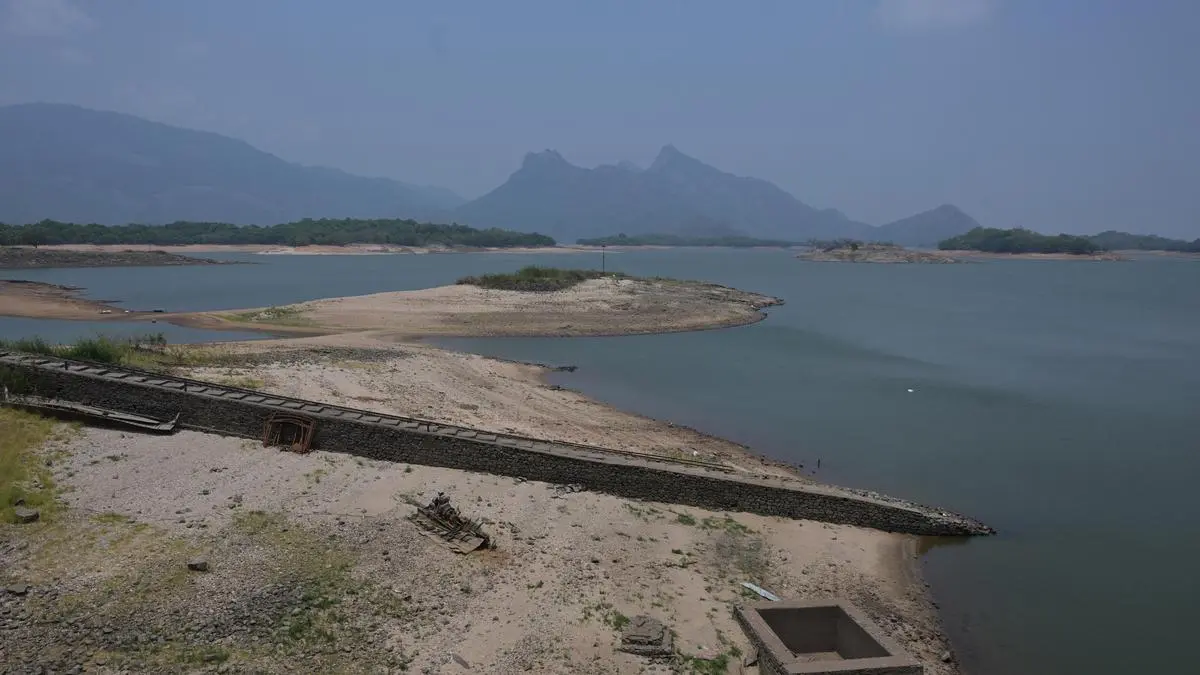
The national water storage landscape in India has shifted as levels across 166 major reservoirs dropped below 40 percent of total capacity. This decline, which now impacts more than half of these critical facilities, reflects a tightening supply environment that carries direct consequences for industrial output and regional utility stability. The southern region is currently experiencing the most acute stress, with storage levels falling below 30 percent of capacity. This regional concentration of scarcity creates a localized bottleneck that complicates resource planning for entities operating within the affected zones.
Utility and Industrial Sector Exposure
The reduction in reservoir capacity acts as a primary constraint for hydroelectric power generation and large-scale agricultural irrigation. Utilities that rely on hydro-based baseload power face the prospect of reduced output or higher operational costs as they pivot toward alternative energy sources to maintain grid stability. This transition often necessitates increased reliance on thermal power, which can shift the cost structure for providers like Southern Company, though the direct impact remains contingent on the duration of the current hydrological deficit. As water levels fall, the operational efficiency of cooling systems for industrial plants also faces increased scrutiny, potentially impacting margins across the broader consumer cyclical and utility landscape.
Resource Allocation and Operational Constraints
For companies with significant manufacturing or processing footprints in India, the current water scarcity introduces a new layer of supply chain risk. Consistent water access is a prerequisite for many industrial processes, and sustained low levels force a reassessment of production schedules. When reservoirs fail to meet standard capacity thresholds, the priority for water usage typically shifts toward human consumption and essential services. This hierarchy of needs places industrial users at the end of the allocation queue, creating potential for unexpected downtime or the need for costly water procurement strategies.
AlphaScala data currently reflects a cautious outlook for firms exposed to these regional utility pressures. Amer Sports, Inc. holds an Alpha Score of 47/100, while Southern Company maintains an Alpha Score of 44/100, both categorized as Mixed. These scores underscore the volatility inherent in sectors sensitive to infrastructure and resource availability. Investors tracking stock market analysis should note that the current reservoir data serves as a leading indicator for potential margin compression in energy-intensive industries.
The Path Toward Stabilization
Market participants are now looking toward the next seasonal update to determine if the current decline is a temporary deviation or a prolonged trend. The primary marker for recovery will be the onset of regional precipitation patterns that replenish these 183.565 billion cubic metres of total capacity. Until the reservoirs show a sustained reversal in their downward trajectory, the risk of localized utility surcharges and industrial output volatility remains elevated. The next official filing regarding reservoir levels will be the critical data point for assessing whether current mitigation strategies are sufficient to protect operational continuity through the remainder of the fiscal period.