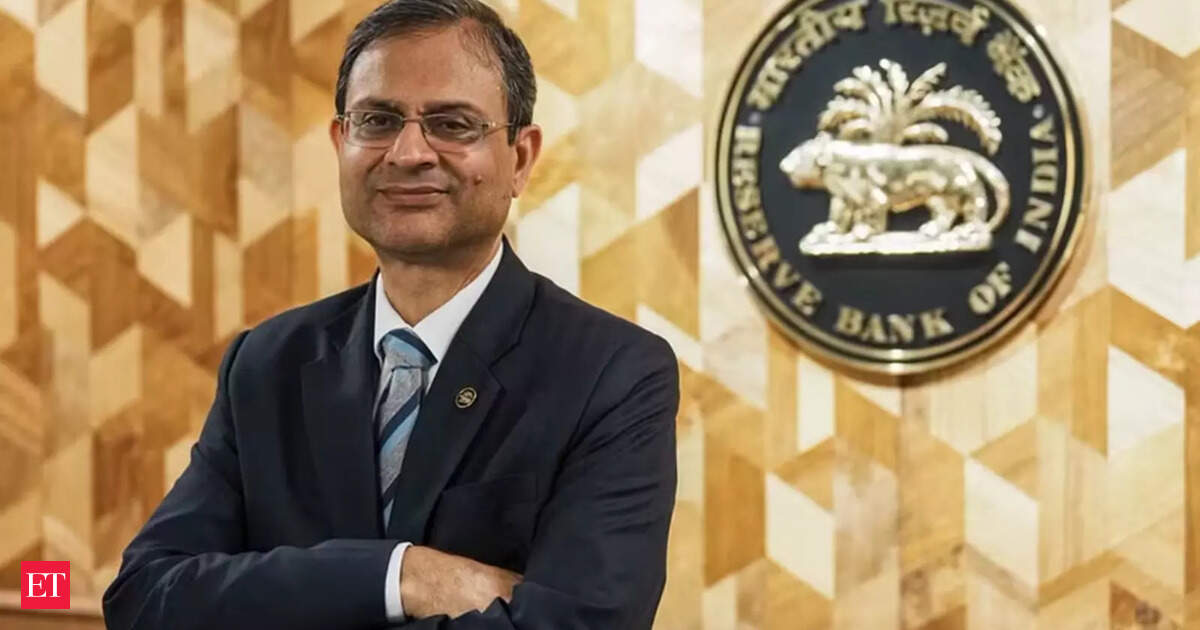
A majority of economists surveyed by ET expect the Reserve Bank of India to keep its policy rate unchanged at the June meeting. The decision comes as geopolitical tensions and adverse weather forecasts threaten both economic growth and inflation. For traders positioning around the outcome, the simple read is that a hold is fully priced in. The better market read is that the central bank's forward guidance will matter more than the rate decision itself.
The June Status Quo: A 16-Month Pause at 6.50%
The repo rate has been held at 6.50% since February 2023. Another hold in June would extend that pause to 16 months. The Monetary Policy Committee is widely expected to maintain the status quo. Inflation has remained above the 4% target, and the recent uptick in food prices from unseasonal rains adds pressure. The RBI's own projections already factor in a gradual decline in inflation, adverse weather could delay that path.
For traders, the key question is whether the RBI shifts its stance from "withdrawal of accommodation" to something more neutral. A hawkish hold would signal that rate cuts are further away, supporting the rupee and short-end bond yields. A dovish hold would open the door for rate cuts later this year and pressure the currency.
Geopolitical and Weather Risks: The Inflation-Growth Tradeoff
The two threats cited by economists converge to create a difficult tradeoff for the RBI. Geopolitical tensions, particularly disruptions in the Red Sea and potential oil supply shocks, keep imported inflation risks alive. India imports about 85% of its crude oil, so any sustained rise in Brent crude would feed directly into transportation and manufacturing costs.
Adverse weather adds a domestic supply-side risk. The India Meteorological Department has forecast above-normal temperatures and a potential heatwave in the summer months, which could damage crops and push food inflation higher. Food accounts for nearly 40% of the CPI basket, so even a modest spike forces the RBI to remain cautious.
Growth is the other side of the tradeoff. India's GDP expanded 8.4% in the December quarter, high-frequency indicators suggest some softening. The RBI's growth forecast of 7% for FY25 may prove optimistic if weather and geopolitical headwinds intensify. The central bank cannot ignore growth, it also cannot afford to let inflation expectations become unanchored.
What Would Change the Rate Path
A rate hold in June is the base case. The probability of a cut later this year depends on two factors. First, the June CPI print due before the August meeting. If inflation falls below 5% and stays there, the RBI may have room to ease. Second, the monsoon season performance. A normal monsoon would ease food price pressures and give the MPC cover to pivot.
A surprise rate hike is unlikely. It is not impossible if the geopolitical situation escalates sharply. The RBI has historically acted preemptively on inflation, a 25-basis-point hike would not be unprecedented if oil prices spike above $100 per barrel.
For traders, the next concrete catalyst is the RBI's June policy statement and the subsequent press conference. The language around inflation risks and the growth outlook will set the tone for the rupee, bond yields, and rate-sensitive stocks. A hawkish hold would reinforce the carry trade appeal of Indian bonds, a dovish tilt would trigger a rally in rate-sensitive sectors.
For broader stock market analysis, the RBI's decision is a key input for equity valuations, especially for banks and consumer goods companies that are sensitive to borrowing costs. The status quo is already discounted, the real move will come from the guidance.
The Next Decision Point
The RBI meets on June 5-7. Between now and then, the key data points are the April CPI inflation (due May 13) and the Q4 GDP (due May 31). Inflation surprising to the upside makes the hawkish hold more certain. Growth disappointing leads the market to price in a cut by October. Either way, the June meeting is a risk event that demands a clear watchlist entry.