India proposes Carbosulfan ban, threatens FMC's India sale
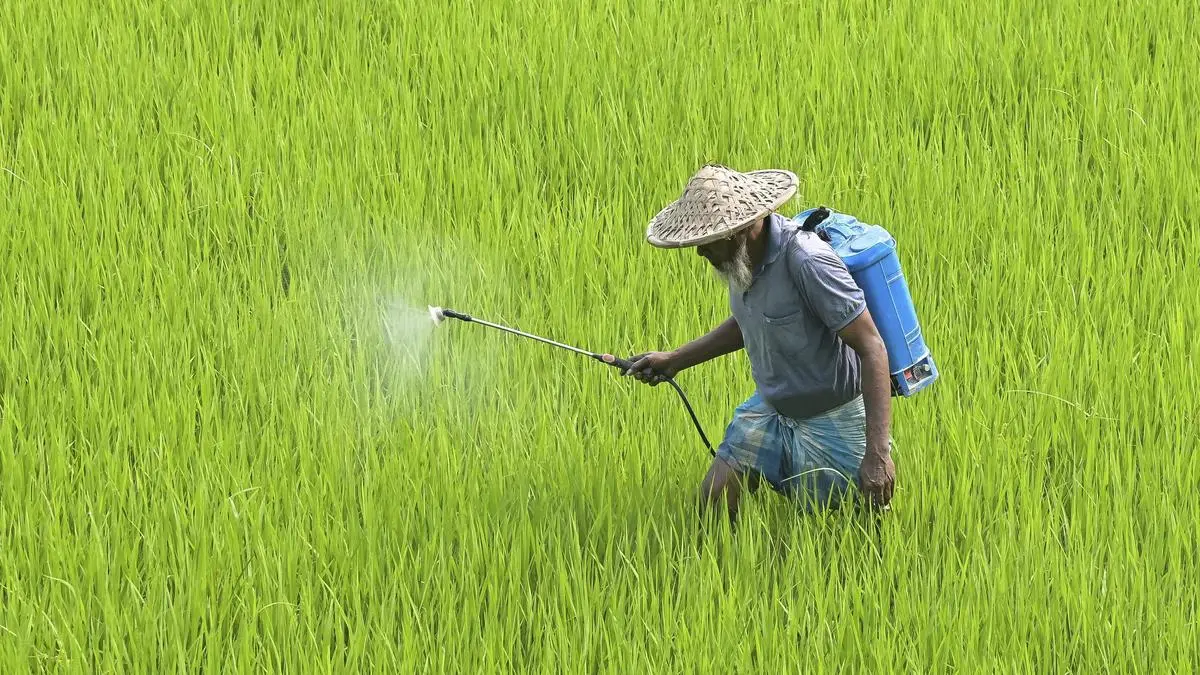
India proposed a ban on Carbosulfan insecticide, citing health risks. The move threatens FMC's $252 million sale of its India business to Crystal Crop Protection. Public comment open until September 19.
Alpha Score of 24 reflects poor overall profile with poor momentum, moderate value, poor quality. Based on 3 of 4 signals – score is capped at 90 until remaining data ingests.
India's agriculture ministry has proposed an immediate ban on the insecticide Carbosulfan, citing risks to humans, animals and the environment. The draft order, published as the Banning of Carbosulfan Order, 2026, would prohibit manufacture, import, transport, distribution, sale and use of the chemical. A final decision is pending after a 30-day public comment period that ends September 19.
Joint secretary Muktanand Agrawal said in the order that the government, after considering the Registration Committee's report, is satisfied that Carbosulfan use is likely to involve risk to human beings and animals. The draft order is published for information of all persons affected. After the comment period, the government will take a final call.
The ban directly affects FMC Corporation (FMC), whose India subsidiary markets Carbosulfan under the 'Marshal' brand. FMC in May signed a definitive agreement to sell its India commercial business to Crystal Crop Protection for $252 million. The deal includes licences for FMC brands sold in India, including Marshal, along with a preferred supply agreement for certain active ingredients. The proposed ban could complicate the transaction or reduce the value of the business being sold.
FMC carries an Alpha Score of 24 out of 100, labelled Weak, reflecting the regulatory headwinds and the pending sale of its India business. The company's FMC stock page shows the current market sentiment.
The Registration Committee recommended the ban, noting that Carbosulfan is an intrinsically highly hazardous carbamate insecticide rapidly metabolised to carbofuran, a highly toxic metabolite. The committee highlighted significant toxicity to birds, pollinators, aquatic organisms and other non-target species. It also noted that several countries have already restricted or prohibited its use. The government added that no specific antidote exists for Carbosulfan poisoning, and that atropine and supportive measures offer only symptomatic management.
FMC India's website describes Marshal as a broad-spectrum insecticide that gives effective control over chewing and sucking pests in cotton, paddy and vegetables. The company says it has a different mode of action, making it a good rotational partner in vegetable spray programs and helping manage pest resistance. The proposed ban would remove that product from the Indian market.
For Crystal Crop Protection, the acquisition of FMC India's commercial business included the Marshal brand. If the ban proceeds, Crystal would lose access to one of the key products in the portfolio. The deal, announced in May, is expected to close later this year, subject to regulatory approvals. The proposed ban adds a new layer of uncertainty.
The ban follows India's stricter approach to pesticide regulation. The government has previously banned other highly hazardous pesticides, including carbofuran, the metabolite of Carbosulfan. The outcome of the comment period will determine whether the ban is enacted as proposed.
The comment period closes September 19. The government will then publish a final order. No date has been set for the final decision.
Drafted by a large language model from the source reporting linked above, then screened by automated publishing checks. It is not read by a journalist before publication. Some articles cite our Alpha Score. Verify prices and figures against the original source. Educational coverage, not personalized advice.