Commodities● Neutral
India Pushes for Faster Iranian Oil Deliveries Amid Supply Lags
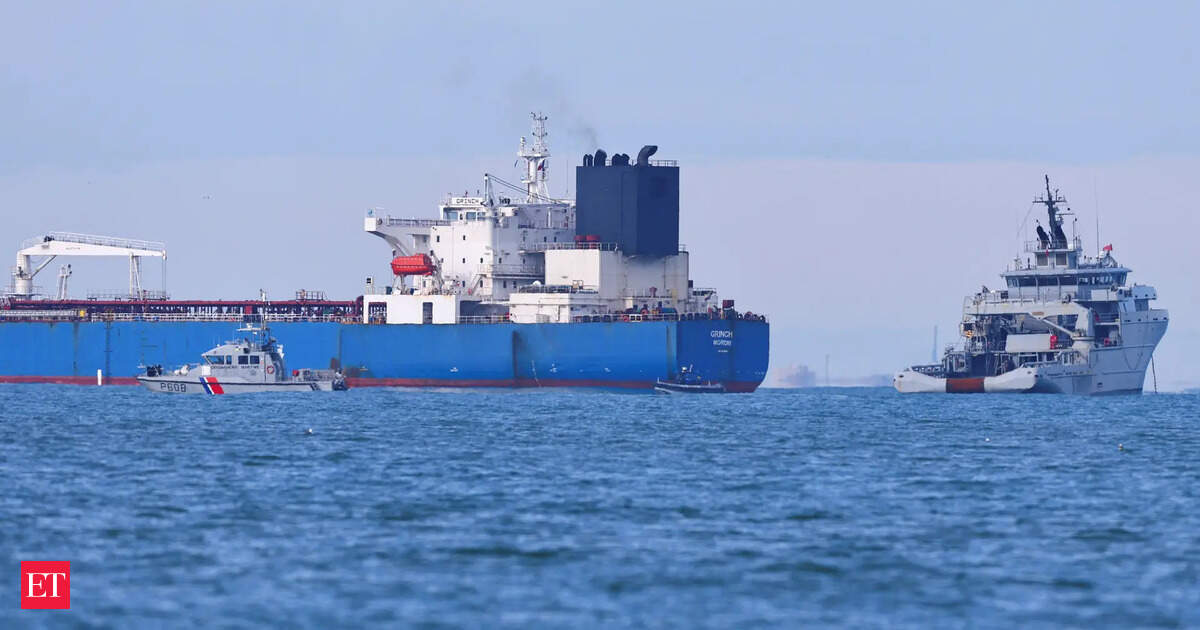
New Delhi faces a three-month wait for normalized crude flows as logistical bottlenecks persist. Expect continued volatility in regional energy benchmarks.
Continue with
The Geopolitical Tightrope: India’s Energy Security
New Delhi is intensifying diplomatic and commercial efforts to expedite crude oil shipments from Iran, leveraging the current ceasefire window to alleviate domestic energy supply pressures. As the world’s third-largest oil consumer, India is acutely sensitive to regional volatility in the Middle East, which remains the primary artery for its energy imports. The Indian government is reportedly urging Iranian authorities to normalize supply schedules, viewing the current lull in hostilities as a critical window to stabilize import volumes.
However, the path to restoring pre-conflict supply levels is fraught with logistical and structural impediments. While the ceasefire offers a temporary reprieve, industry executives and analysts warn that a return to 'business as usual' for the energy trade is unlikely to occur before the end of a three-month horizon. The complexity of the global tanker market, combined with lingering regional tensions, has created a formidable barrier to rapid supply chain restoration.
The Anatomy of the Supply Crunch
According to industry insiders, the primary obstacles preventing a swift resumption of normalized trade are multifaceted. First, the movement of vessels remains sluggish; the logistical friction of rerouting tankers and securing secure passage through contested maritime corridors continues to dampen flow efficiency.
Second, the insurance and maritime shipping sectors remain skittish. The availability of vessels willing to operate in the region remains constrained, as maritime insurers demand higher premiums or impose restrictive clauses due to the heightened risk profile associated with Iranian ports. Furthermore, loading constraints at key export terminals and production shut-ins—resulting from both deliberate policy decisions and technical disruptions during the height of the conflict—have created a backlog that cannot be cleared overnight.