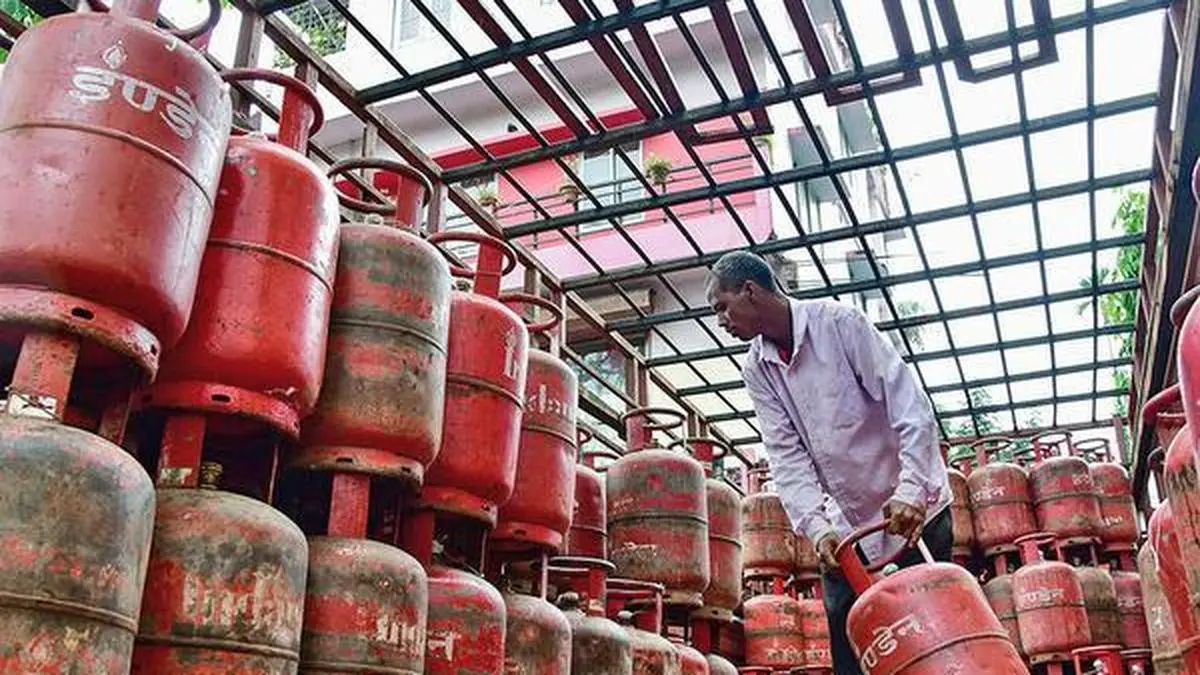
LPG consumption rose 8% m-o-m to 2.37 mt in July after supply curbs were lifted. Diesel fell 6.5% on the month as monsoon hit demand.
India's liquefied petroleum gas consumption rose to a six-month high in July, helped by the easing of the West Asia conflict and the government's decision to lift supply restrictions on commercial users.
Consumption hit around 2.37 million tonnes on a provisional basis, up 8% month-on-month, according to the Petroleum Planning & Analysis Cell (PPAC). The figure was still about 16% lower than a year earlier. July marked the third straight monthly uptick, as India took more cargoes from the US and supplies from the Middle East Gulf region recovered after the US and Iran held on-and-off peace talks.
India's LPG use fell 8% year-on-year to about 14.74 million tonnes in the first half of 2026, after the Strait of Hormuz closure choked off the key cooking fuel. During the conflict, the government rationed supplies, giving 100% to households and 70% to commercial consumers. Those restrictions were lifted on June 25, 2026. Households account for about 90% of consumption, with commercial and industrial users taking the rest.
Other fuels had a weaker month. Diesel consumption fell 6.5% month-on-month to around 8.05 million tonnes in July, though it was up more than 9% year-on-year and above the five-year average for the month. Monsoon rains typically curb industrial activity and mobility, weighing on transport fuels. Petrol use rose marginally to 3.8 million tonnes, up almost 9% from a year earlier. Jet fuel slipped to 699,000 tonnes, the lowest since December 2023, down roughly 4% month-on-month and 1.5% year-on-year.
March 2026 was a standout month for transport fuels, with diesel hitting a record 8.73 million tonnes and petrol reaching 3.78 million tonnes.
Drafted by a large language model from the source reporting linked above, then screened by automated publishing checks. It is not read by a journalist before publication. Some articles cite our Alpha Score. Verify prices and figures against the original source. Educational coverage, not personalized advice.