Stocks● Neutral
India Launches UNSC Campaign, Faces Tajikistan in June 2026 Election
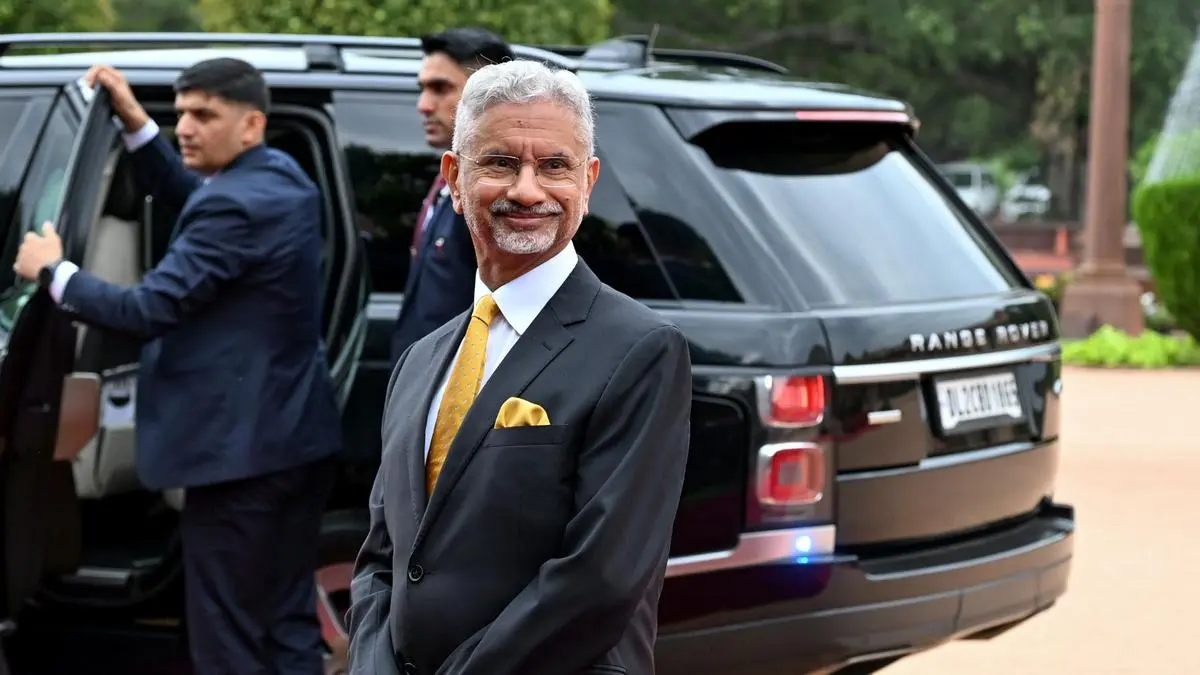
Jaishankar launches India's UNSC bid for 2028-29 term, meets Guterres and EU officials. India faces Tajikistan in June 2026 election amid reform push.
Continue with
External Affairs Minister S. Jaishankar will launch India's campaign for a non-permanent seat on the United Nations Security Council for the 2028–29 term next week. He is also scheduled to meet UN Secretary-General Antonio Guterres at the world body's headquarters in New York on Monday afternoon.
Jaishankar arrives in the U.S. on Saturday after an official visit to Qatar, Bahrain, Kuwait and Oman from July 5–10. The campaign launch event at the UN headquarters is set for Monday. He will then travel to Brussels on July 14–15 for the third India-EU Trade and Technology Council meeting and bilateral talks with his EU and Belgian counterparts.
India last held a non-permanent seat in 2021–22. The election for the 2028–29 term will be held in June 2026. India will compete against Tajikistan for the single seat reserved for the Asia-Pacific Group.
The election comes as the world faces multiple geopolitical flashpoints. The Ukraine war, the Gaza conflict and the U.S.-Israel military campaign against Iran continue to reshape global alliances. India has framed its candidature around the slogan “#India4UNSC 2028-29 Peace, Planet, Progress.”