Commodities● Neutral
India Gold Twist: EGR Launch Real Structure, Not a Political Stunt
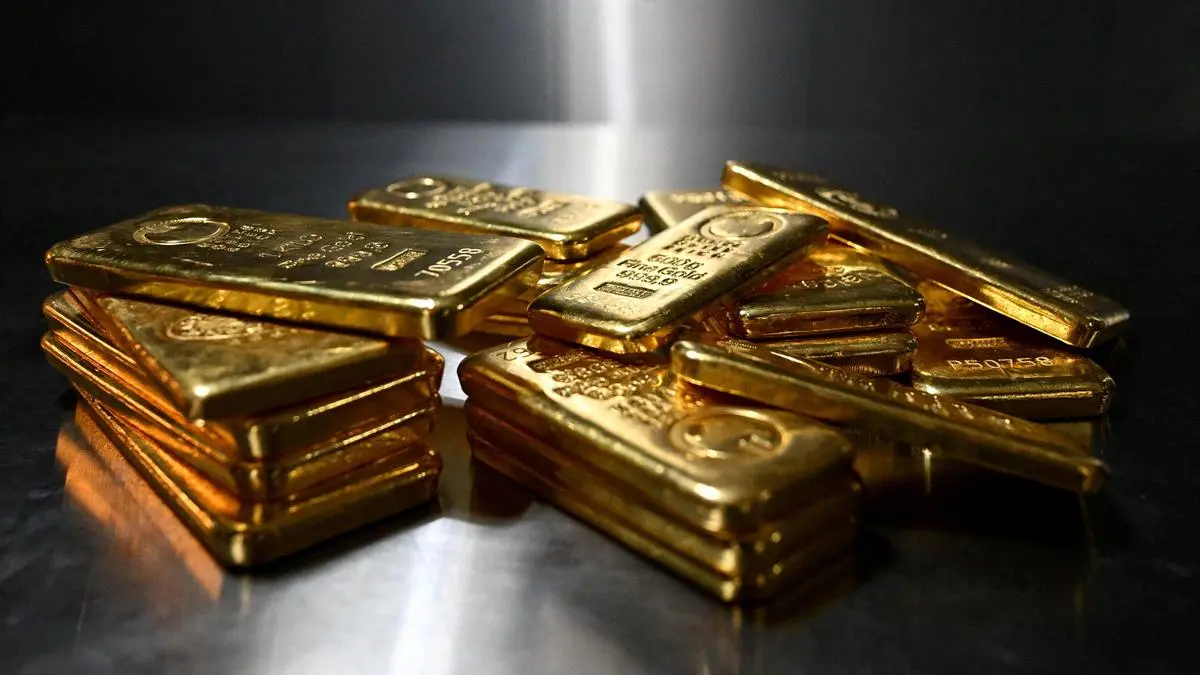
NSE's new gold receipts aim to unlock 50,000 tonnes of idle household gold. NSE's Krishnan says the launch was a planned, long-term mechanism to displace 100-200 tonnes of imports in Year 1. Traders should watch vault deposits, not political headlines.
Continue with
The National Stock Exchange's Electronic Gold Receipts (EGR) platform went live on May 4. The timing, near Prime Minister Narendra Modi's public appeal for citizens to postpone gold purchases for a year, has prompted speculation of a coordinated policy push. NSE Chief Business Development Officer Sriram Krishnan directly addressed that reading in an interview with ANI. "This was a planned launch anyway," he said. "It may appear that it's a very calculated launch... No, it is not connected."
The distinction matters for traders building a watchlist. A tactical political response would carry a different risk profile and timeline than a structural market mechanism planned over months. Krishnan positioned the EGR platform, conceived long before recent geopolitical developments, as a tool to solve India's chronic gold import dependency by mobilising the estimated 50,000 tonnes of gold already held in Indian households and temples.
The Mechanism: Dematerialising Idle Gold to Cut Imports
India imports approximately 700 tonnes of gold annually – a significant drain on the current account deficit. The EGR platform targets a different supply source: gold that sits idle in lockers, family holdings, and temple coffers. Krishnan described the objective: "The objective of electronic gold receipts, or EGR, is to dematerialise gold, get the local supply of gold which is already available in the country into the market, and thereby help reduce import of gold."
How EGRs Work
An Electronic Gold Receipt is a dematerialised instrument backed by physical gold deposited with an authorised vault manager. The gold is assayed, stored, and a receipt is issued on the exchange. The receipt can be traded, settled, and eventually converted back into physical gold. The mechanism is analogous to a gold ETF share, with one structural difference: EGRs represent a specific bar or lot, not a pooled fund share. That distinction affects pricing precision and potential for physical delivery arbitrage.
The Supply Chain Bottleneck
The platform is live. Active trading is not. Krishnan noted that "supply creation remains the next key step before active trading gains momentum." This means the first phase requires gold holders – households, temples, jewellers – to deposit physical gold with authorised vaults and receive EGRs in return. Until that supply enters the system, there is nothing to trade. The platform exists in a pre-trading phase where the only actionable data point is the volume of physical gold entering vaults for conversion.
The Import Displacement Thesis: 100-200 Tonnes in Year One
Krishnan estimated that India could see 100 to 200 tonnes of gold converted into EGRs in the first year. "India imports about 700 tonnes of gold every year. If what we are seeing comes true, then about 100 to 200 tonnes of imports can be avoided," he said. That range represents 14% to 29% of India's annual import volume – a meaningful but not immediately transformative share.
What the Math Means for the Trade
| Metric | Value |
|---|---|
| Annual gold imports | 700 tonnes |
| Estimated idle gold in India | 50,000 tonnes |
| EGR conversion target (Year 1) | 100-200 tonnes |
| Potential import reduction | 14% to 29% |
The table shows the scale challenge. Converting 100-200 tonnes from a stock of 50,000 tonnes is a 0.2% to 0.4% mobilisation rate in Year 1. The structural impact compounds only if conversion accelerates as market infrastructure matures. Early adoption will likely come from institutional and commercial holders (jewellers, bullion dealers) rather than retail households. Temples and families represent slower adoption due to emotional and trust factors.
Checklist: What Confirms the Thesis
- Vault deposits: Weekly data showing physical gold flowing into authorised vaults for EGR creation.
- Trading volumes: Daily turnover on the EGR platform exceeding 1 tonne within the first six months.
- Import data: Monthly customs data showing a measurable decline in gold imports from the same period last year.
- EGR discount: The spread between EGR price and international spot gold narrowing toward zero as liquidity deepens.
Checklist: What Weakens the Thesis
- Low conversion rates: If households and temples resist depositing gold due to trust, tax liability concerns, or convenience friction.
- Persistent price discount: If EGRs trade at a persistent discount to international gold prices, indicating poor liquidity or settlement risk that deters arbitrageurs.
- Import data divergence: If gold imports continue rising despite EGR issuance, suggesting the platform is additive rather than substitutive.
The Price-Maker Ambition: One Market for India's Gold
Krishnan framed the EGR as a tool for India to become a price-maker in the global gold market by creating "one single market for the whole country." India is the world's second-largest gold consumer. It has limited influence on pricing, which is set in London (LBMA) and New York (COMEX) .