India's food safety regulator is stepping up enforcement, and the country's biggest packaged-food and liquor companies are feeling it. Dabur India Ltd shares fell more than 4% on 4 August, a day after the Food Safety and Standards Authority of India posted on X that some of its honey and cow ghee products carried misleading “100% claims.” Nestlé India Ltd shares slipped nearly 3% in June after media reports of FSSAI action over insect and larvae complaints in a Maggi packet; Nestlé rejected the claims. United Spirits Ltd, the Diageo-owned maker of McDowell's No.1 and Royal Challenge whisky, filed a writ petition in the Bombay High Court on 1 August challenging an FSSAI order that said one of its rum product labels violated the Food Safety and Standards Act, 2006. The company said its labels comply with the law and reflect long-standing industry practice.
FSSAI's enforcement is part of a broader push against what it calls misleading claims – particularly around identical flavouring and age-related statements on alcoholic beverages. That could reshape manufacturing practices across India's Indian Made Foreign Liquor industry, according to industry experts who spoke to the Mint.
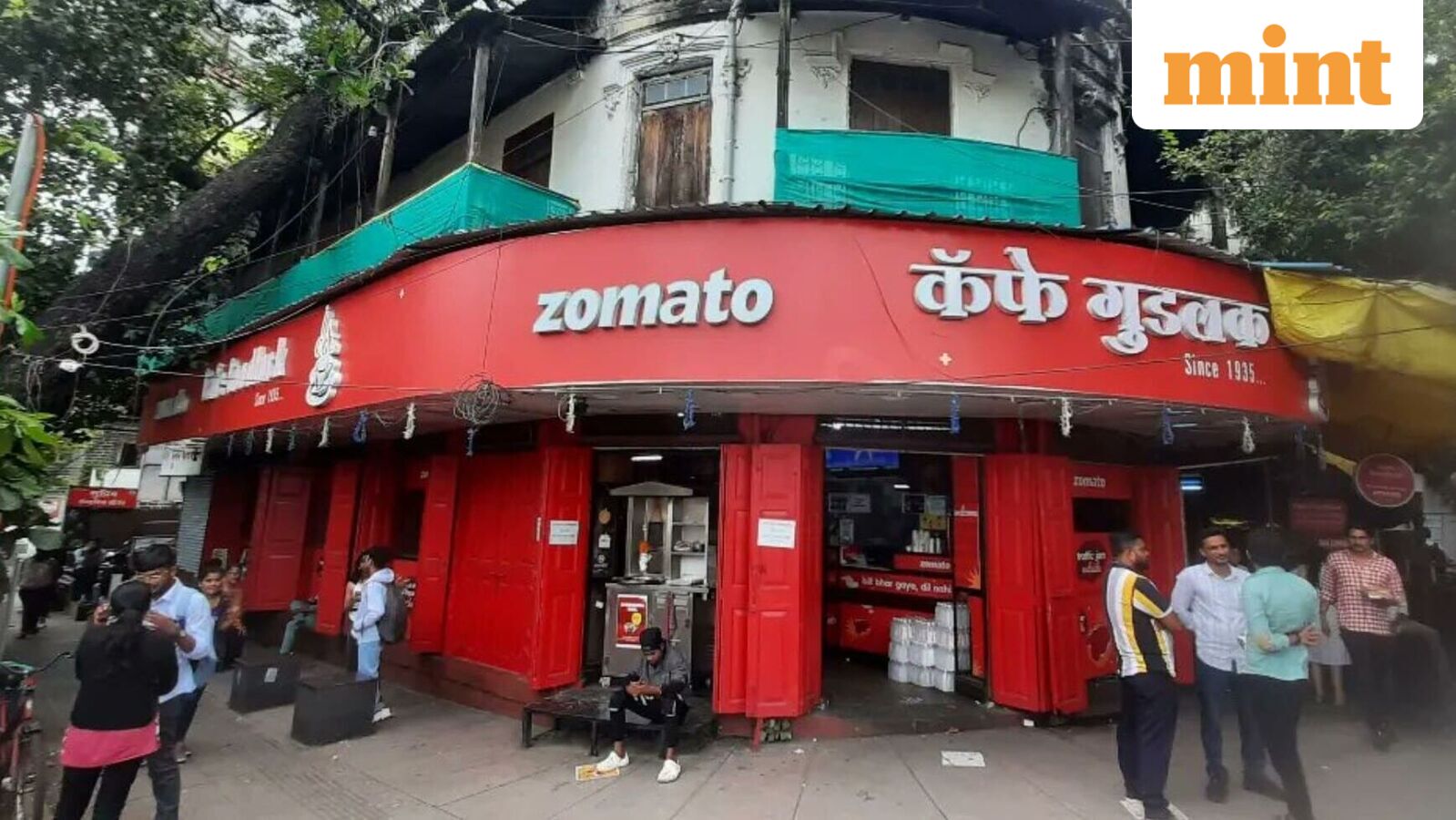
State regulators are also turning up the heat. The Maharashtra Food and Drug Administration commissioner, Tukaram Mundhe, has initiated more than 1,100 inspections since taking charge in May, per media reports. The state authority shut iconic Mumbai eateries including the 70-year-old K Rustom Ice Cream Parlour and the 100-year-old Parsi Dairy Farm. It suspended dining services at the Cricket Club of India and the RK Juhu Gymkhana for unhygienic conditions.
Three restaurant associations – the Hotel and Restaurant Association (Western India), the National Restaurant Association of India, and the Indian Hotel and Restaurant Association – petitioned the Prime Minister, the Maharashtra chief minister, and the FSSAI CEO last week to “protect their rights.” They argued that regulators are singling businesses out, prematurely portraying them as violators, and disproportionately hurting small and medium enterprises.
FSSAI did not reply to emailed queries. The Maharashtra FDA also did not respond.
Some industry experts say the spate of actions is not a coordinated crackdown. “These efforts may coincide over a short period, creating the impression of a crackdown,” said Ashwin Bhadri, founder and chief executive of food testing agency Equinox Labs. Enforcement has always been part of FSSAI's mandate, but the regulator is now actively publicising its orders on social media, he said.
State food safety departments in Telangana, Lucknow and Kerala have also stepped up activity. In July, Telangana's Food Safety Department inspected 14 establishments in Hyderabad and seized about 850 kg of allegedly adulterated ghee. Lucknow officials seized nearly 9.8 tonnes of spices and vegetables and destroyed 8.5 tonnes of unfit food products. In June, Kerala restricted sale of a batch of Patanjali sorghum flour due to high pesticide levels.
Behind the tighter enforcement is months of social media outrage over unhygienic restaurant kitchens and adulterated food products, including milk made from fake ingredients. Nonprofits such as the Nutrition Advocacy for Public Interest have been pushing for mandatory front-of-pack warning labels. FSSAI first released draft regulations on that in 2018, but the rules have not been finalised. The Supreme Court instructed FSSAI in February to respond within four weeks to the proposal; no public update has followed.
“The duty has fallen on the consumer to notify the authorities to inform them about violations,” said Arun Gupta, NAPI convener. “The FSSAI has to act as an authoritative regulator rather than a facilitator.”
For the companies involved, the immediate risk is financial. Dabur and Nestlé shares took a visible hit on the news. United Spirits faces potential label changes and legal costs. The broader risk is that FSSAI's enforcement drive – whether or not it is a coordinated crackdown – could lead to more frequent inspections, product recalls or label redesigns across the sector. The next concrete marker is the Supreme Court's response to FSSAI's pending reply on front-of-pack labels, which could set a precedent for how aggressively the regulator moves on packaging claims.
Diageo plc, which owns United Spirits, carries an Alpha Score of 50 out of 100, a Mixed rating, reflecting the regulatory headwinds in its India business alongside its stable consumer staples sector. Check the latest DEO stock page for updates on the parent company's exposure.