Stocks● Neutral
India Faces Carbon Border Risk on EU Steel, Aluminium Exports
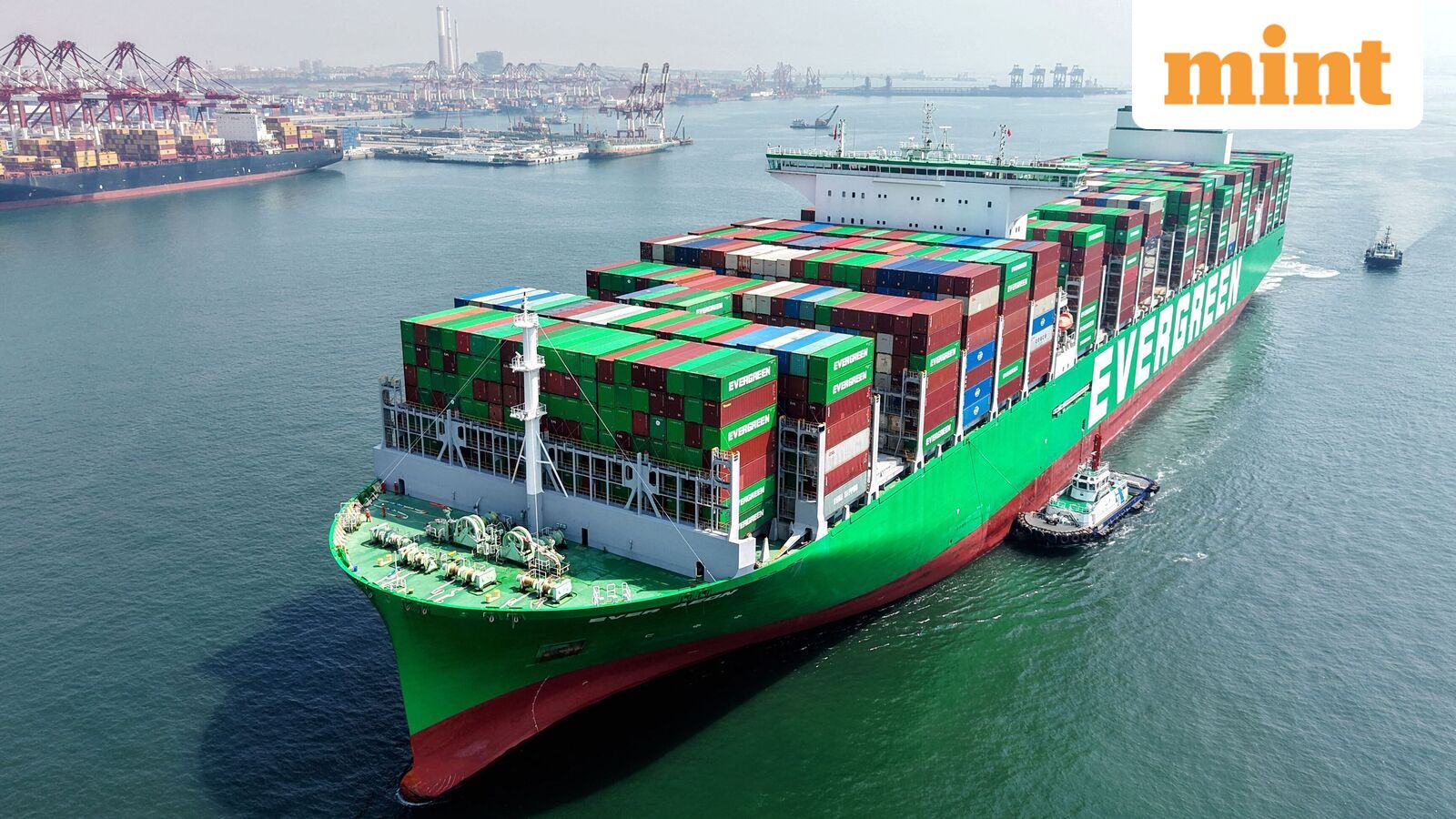
India's intensity-based carbon pricing may not satisfy EU's CBAM, putting steel, aluminium, and cement exports at risk of a surcharge. Trade negotiations will test the gap.
Continue with
India's export machine is heading into a collision with Europe's climate trade rules. The EU's Carbon Border Adjustment Mechanism (CBAM) and a similar UK scheme could slap a carbon surcharge on Indian steel, aluminium, cement, and other goods unless the country's domestic carbon pricing is recognized as equivalent. A Mint article by a Mumbai-based economist and a partner at Clarus Law Associates argues that the current policy architecture may not be enough to avoid those penalties.
The centerpiece of India's climate effort is the Carbon Credit Trading Scheme (CCTS). It sets emissions-intensity benchmarks for energy-intensive sectors: cement, aluminium, petrochemicals, refining, pulp and paper, and textiles. Firms that beat the benchmarks earn tradable credits; those that fall short must buy credits or pay fines. This intensity-based approach allows production to expand while improving efficiency.
That is a smart policy for a fast-industrializing economy. The problem is that the EU's CBAM is built around absolute emission caps and explicit carbon prices from cap-and-trade systems. India's intensity targets and implicit carbon costs – from renewable obligations, coal levies, and fossil fuel taxes – do not map neatly onto that framework. The authors note that there is no global standard to compare effective carbon prices across jurisdictions. Without recognition, Indian exporters could face a carbon surcharge at the EU border, eroding their cost advantage.
India has also built a wider climate policy ecosystem: renewable consumption obligations, extended producer responsibility rules, the National Electric Mobility Mission, and a climate finance taxonomy. These efforts are not reflected in trade agreements. The EU and UK deals include sustainable development chapters but do not account for India's proactive measures, the article says.