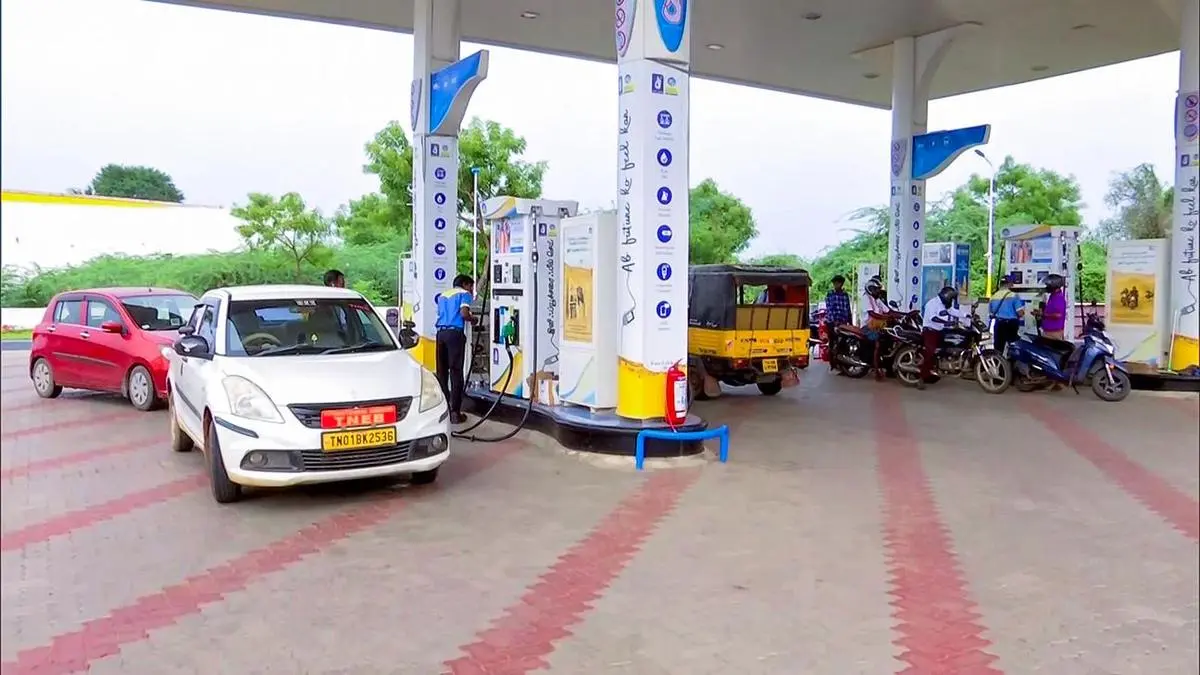
India on Wednesday abolished excise duty on petrol blended with 22% to 30% ethanol, the government said in a notification. The exemption applies to petrol containing ethanol levels between those thresholds, above the country's current E10 standard.
The move is the latest in India's push to increase ethanol blending in petrol. Higher ethanol content directly displaces petroleum in each litre of fuel. A litre of E30 petrol contains 30% less crude-derived content than standard petrol.
India, the world's third-largest oil importer, imports most of its crude requirements. The excise duty waiver lowers the relative cost of blended petrol at the pump, giving distributors and fuel retailers a stronger incentive to sell higher-ethanol blends. The exemption removes a tax that previously applied to all petrol blends.
The notification did not specify a timeline for the waiver or link it to production capacity. It said only that petrol containing 22% to 30% ethanol would be exempt from excise duty.
The ethanol industry stands to benefit from the expanded demand. India's ethanol program relies on both sugar cane and grain feedstocks, and the blending mandate has driven significant investment in distillery capacity. The government has said it aims to reach 20% ethanol blending by 2025, and the industry has already passed the 12% mark. The new exemption for blends up to 30% suggests policymakers see room to go beyond the 20% level.
For sugar mills, higher ethanol demand diverts cane to ethanol production, which can support domestic sugar prices. The sugar industry has been a key beneficiary of India's ethanol program.
Higher ethanol blending also reduces the country's crude import bill. Each percentage point of ethanol blended in petrol cuts consumption of petrol by roughly the same proportion. With India's petrol consumption at around 800,000 barrels a day, a nationwide shift to E30 would displace about 240,000 barrels a day of petrol volume.
The policy supports India's energy security and climate goals. Ethanol produced from biomass carries a lower carbon footprint than petrol. The International Energy Agency has identified India as a key contributor to global biofuel demand growth.
Most current vehicles in India are approved for E20 fuel. A move to 30% ethanol would require modifications to engines and fuel systems, as well as investment in higher-ethanol fuel infrastructure. The exemption itself does not mandate use; it removes a price barrier for distributors who choose to sell E22 to E30 fuel.
India's policy follows similar moves by Brazil, which mandates a 27% ethanol blend in petrol, and the United States, where E15 is allowed but E10 remains the dominant blend. India's target of 20% ethanol blending by 2025 already places it among the leading consumers of ethanol for fuel. The new exemption for 30% blends suggests the government intends to push even further.
For crude oil traders, India's ethanol push is a long-term factor that tempers demand growth in the world's fastest-growing major oil consumer. Indian oil demand has risen steadily, and each percentage point of ethanol blending reduces the call on imported crude. India's sugar exports are subject to government controls, and diverting more cane to ethanol could limit exportable surpluses.
The exemption takes effect immediately. No further details were provided in the notification.