Commodities● Neutral
India edible oil policy uncertainty trumps supply gap
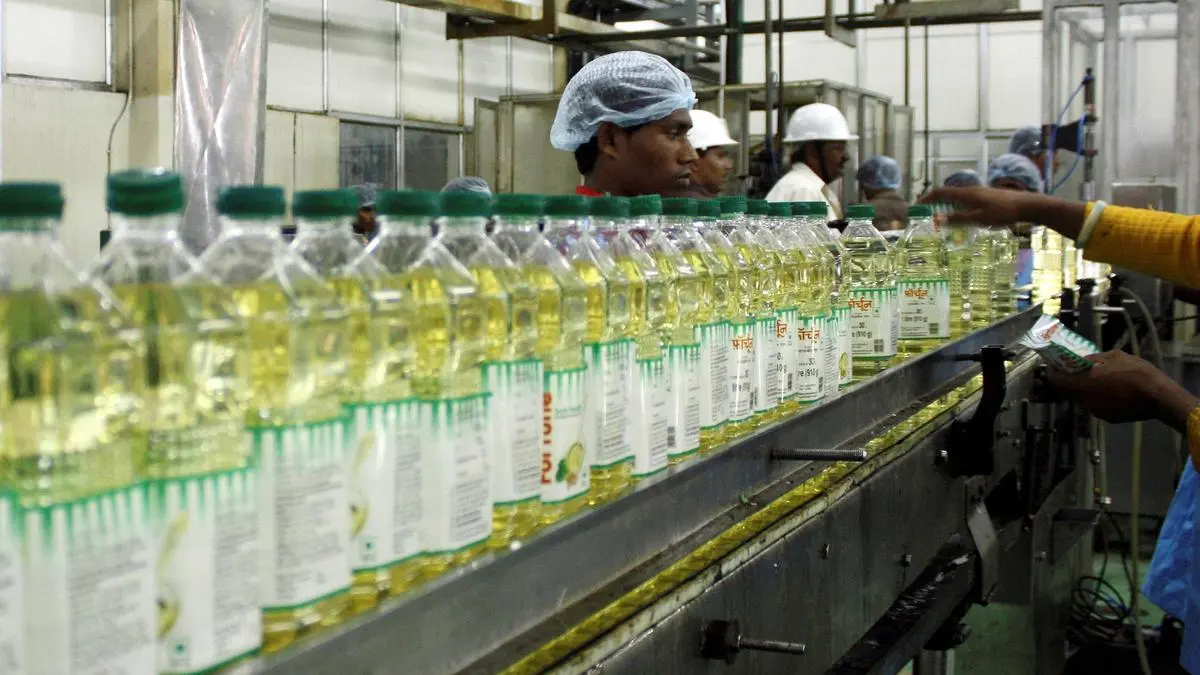
India's edible oil policy has created uncertainty that stops farmers from expanding oilseed acreage, an independent researcher argued. Production targets alone will not change cropping decisions without consistent trade and tariff signals.
Continue with
India imported roughly 15.6 million tonnes of edible oil in the year ended March 2024, covering nearly half of domestic consumption. The government has a ₹10,103 crore mission to boost oilseed output sharply by 2030-31. Yet the real obstacle, an independent public policy researcher wrote in The Hindu Businessline, is not production capacity. It is the policy whipsaw.
Agricultural markets respond to incentives, the researcher argued. A farmer in Madhya Pradesh deciding on soybean, or one in Rajasthan planting mustard, compares income, risk and market certainty each season. If soybean prices swing because of sudden import duty changes, or if competing crops offer more predictable returns, production targets alone will not shift land use.
The same government that wants more oilseeds also manages the market through import decisions, tariff changes and price intervention. Those moves frequently influence farmer behaviour in the opposite direction.
Madhya Pradesh is India's largest soybean state. Soybean became a major commercial crop because it offered farmers an alternative to traditional cereals and linked Indian agriculture to global prices. But that integration creates vulnerability. When international soybean prices fall, domestic returns drop. When the government raises import duties to protect farmers, consumers face higher costs. When cheaper global supplies force higher imports, local prices adjust downward. Each intervention solves one immediate problem while adding uncertainty for the next planting cycle, the researcher wrote.