Commodities● Neutral
India Diesel Cap Threatens Hospitals, Data Centre Operations
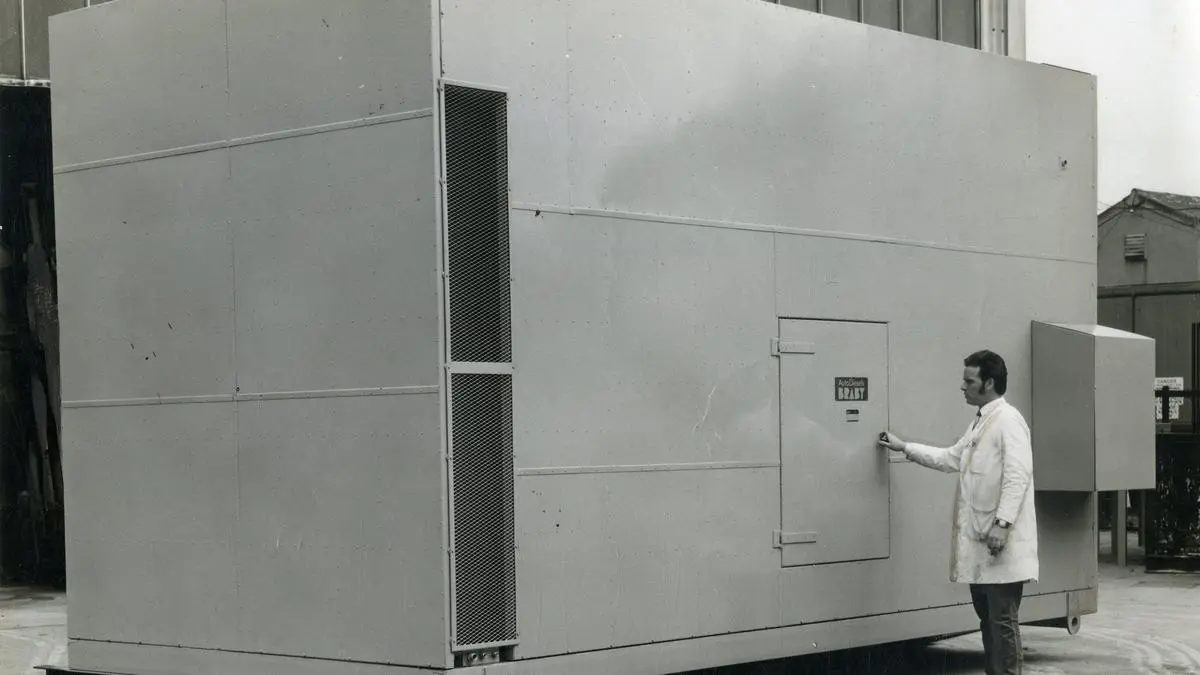
India's 90-day diesel retail cap threatens hospitals and data centres that rely on generators. The price gap between retail and bulk diesel created the problem; exemption requests are the next catalyst.
Continue with
India's June 11 order capping diesel sales at retail pumps to 200 litres per day and barring industrial, commercial and institutional buyers from retail outlets is creating a supply risk for hospitals, data centres, IT parks and telecom towers that depend on diesel generators for backup and peak-hour power.
The restriction, in place for up to 90 days, targets a pricing anomaly. Retail diesel in Delhi costs ₹95.20 a litre. Bulk sales run ₹134.50. State-owned oil companies kept retail prices low after the West Asia crisis in late February pushed crude prices higher, insulating common users from the global spike. That gap drew industrial and commercial consumers to retail pumps, pushing up petrol and diesel sales at state-owned outlets by 4.8% and 6.4% respectively in May.
Hospitals are the most exposed. Large facilities run multiple generator sets during surgeries and intensive care, where even momentary voltage dips are unacceptable. "Diesel generators are an integral part of operational planning because uninterrupted power is non-negotiable," an executive at a hospital chain said.
Data centres and IT parks face a similar bind. Peak-hour grid tariffs in some states exceed the cost of running diesel gensets, so many facilities switch part of their load to generators to manage costs. The restriction could force them back onto expensive grid power or require rapid procurement changes.