Stocks● Neutral
India Delays Steel Quality Rules, Giving Importers a Three-Year Window
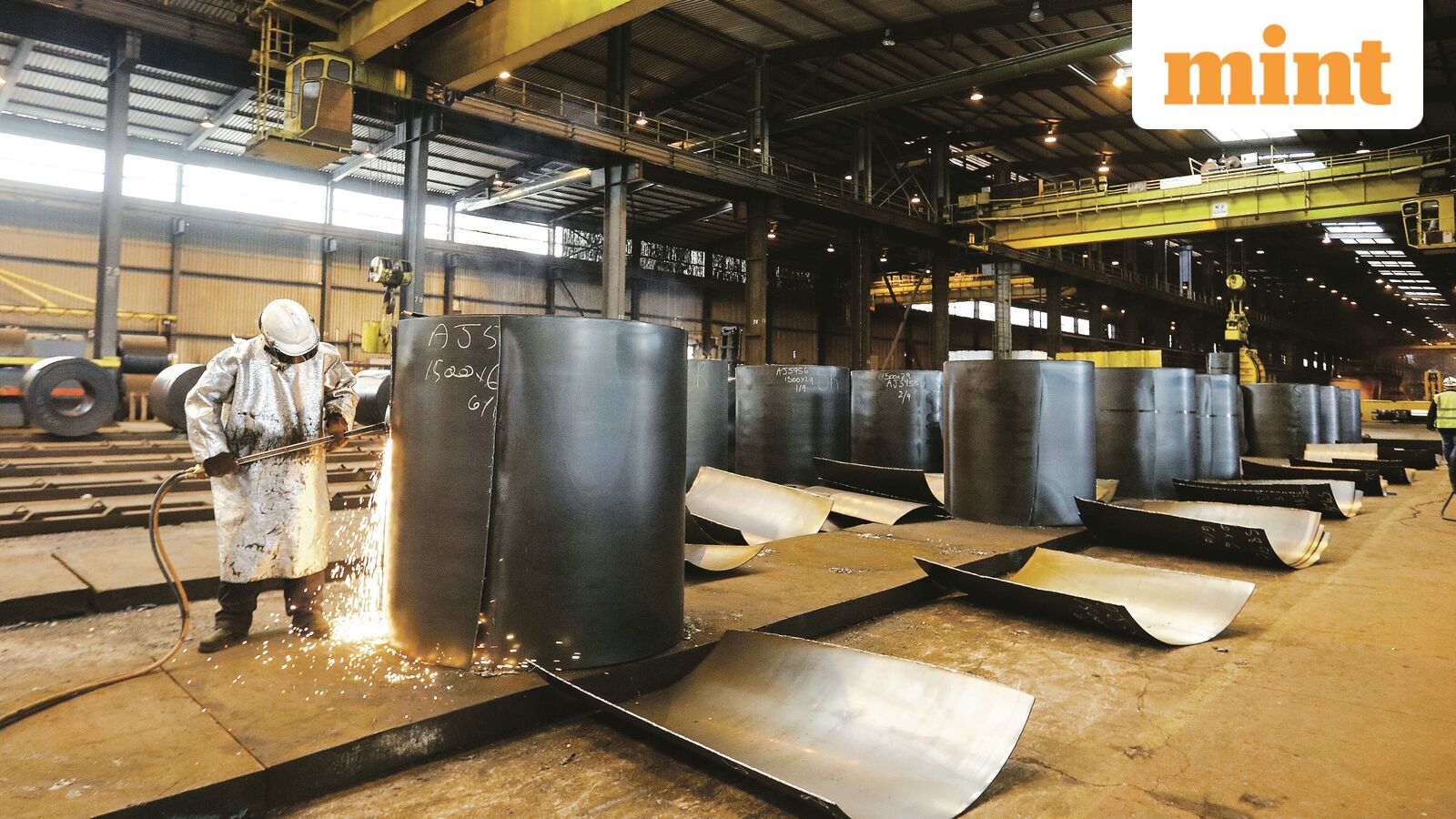
India extended steel and screw quality compliance deadlines by up to three years, benefiting Chinese and other exporters while giving domestic manufacturers more time to meet BIS standards.
Continue with
New Delhi pushed back quality compliance deadlines for a range of steel products and industrial screws by up to three years, a move that gives manufacturers more time to meet mandatory standards while keeping supply chains running.
The Bureau of Indian Standards late Monday issued notifications allowing the steel ministry to extend implementation timelines under two quality control orders. The Steel and Steel Products (Quality Control) Order, 2024, and the Cross Recessed Screws (Quality Control) Order, 2025, both got revisions.
For mild steel used in metal arc welding electrodes and steels for die blocks in drop forging, enforcement of BIS standards has been deferred three years from the notification date. Compliance requirements for stainless steel sheets and strips for utensils, stainless steel plates and sheets, and low-nickel austenitic stainless steel sheets for kitchen appliances now run until March 31, 2027.
Three screw categories – drywall screws, chipboard screws, and countersunk-head wood screws – also got a three-year extension. These are used in construction, furniture manufacturing, interior fit-outs, and woodworking.
The deferment follows recommendations from NITI Aayog to rationalize quality control regulations and give manufacturers more flexibility. India currently has 713 quality control orders in practice.
Exporters from China, South Korea, Japan, Vietnam, and Taiwan stand to benefit. Those countries are among the largest suppliers of steel products and industrial components to India. The extension means their goods can continue entering the Indian market without BIS certification for longer.