Commodities● Neutral
India Cuts Commercial LPG Price ₹183.5 as Crude Eases on Iran Truce
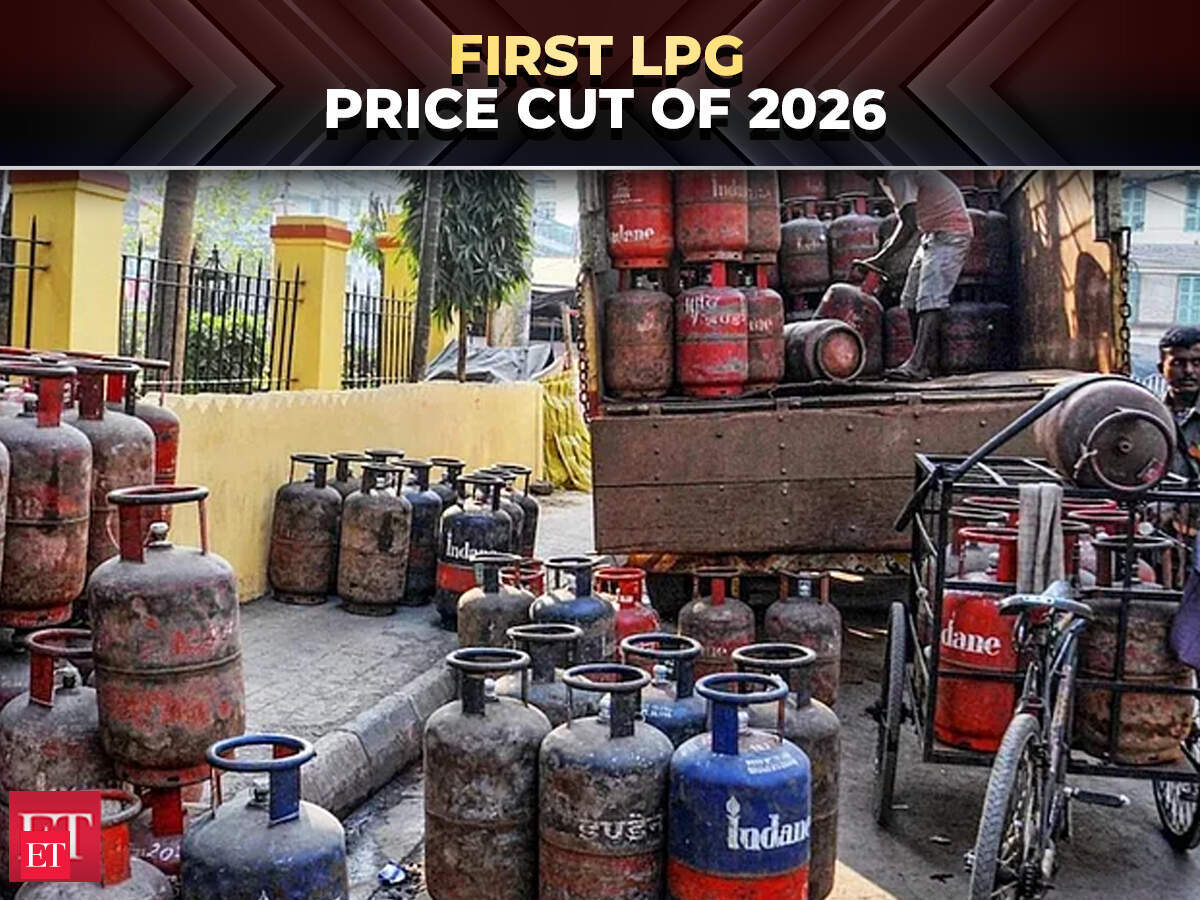
Indian Oil cut commercial LPG by ₹183.50 from July 1 after the US-Iran ceasefire extension. Domestic rates unchanged. The next revision on Aug 1 hinges on crude oil over the next 30 days.
Continue with
Indian Oil cut the 19-kg commercial LPG cylinder price by ₹183.50 from July 1. It is the first reduction in that size in 2026. The 14.2-kg domestic cylinder was left unchanged.
The revision follows the 60-day extension of the U.S.-Iran ceasefire, which has softened global crude oil prices. Brent crude has slipped from its late-May highs. LPG prices tend to track crude with a lag, and this cut passes through some of that relief.
Who wins, who doesn’t
Commercial users – restaurants, hotels, industrial kitchens – get the full benefit. A ₹183.50 cut on a ₹3,100 cylinder (the Delhi rate before the reduction) works out to about 6% off the bill. For a mid-sized restaurant buying 10 cylinders a month, the saving is roughly ₹1,835.
Domestic households see no change. Ujjwala beneficiaries and general consumers still pay the same rate set in the April revision. The government is keeping the subsidy burden flat for now.
Impact on oil marketing companies
Indian Oil, Bharat Petroleum, and Hindustan Petroleum will record slightly lower revenue from commercial LPG sales. The cut also reduces their input costs, since crude-linked procurement prices are lower. The net effect on margins depends on how much of the global decline is passed through versus retained. In early 2025, after the first Gulf ceasefire, LPG prices fell by about ₹200 over two months, and OMCs maintained their per-cylinder margins.