Stocks● Neutral
India commerce secretary heads to South America for trade pact push
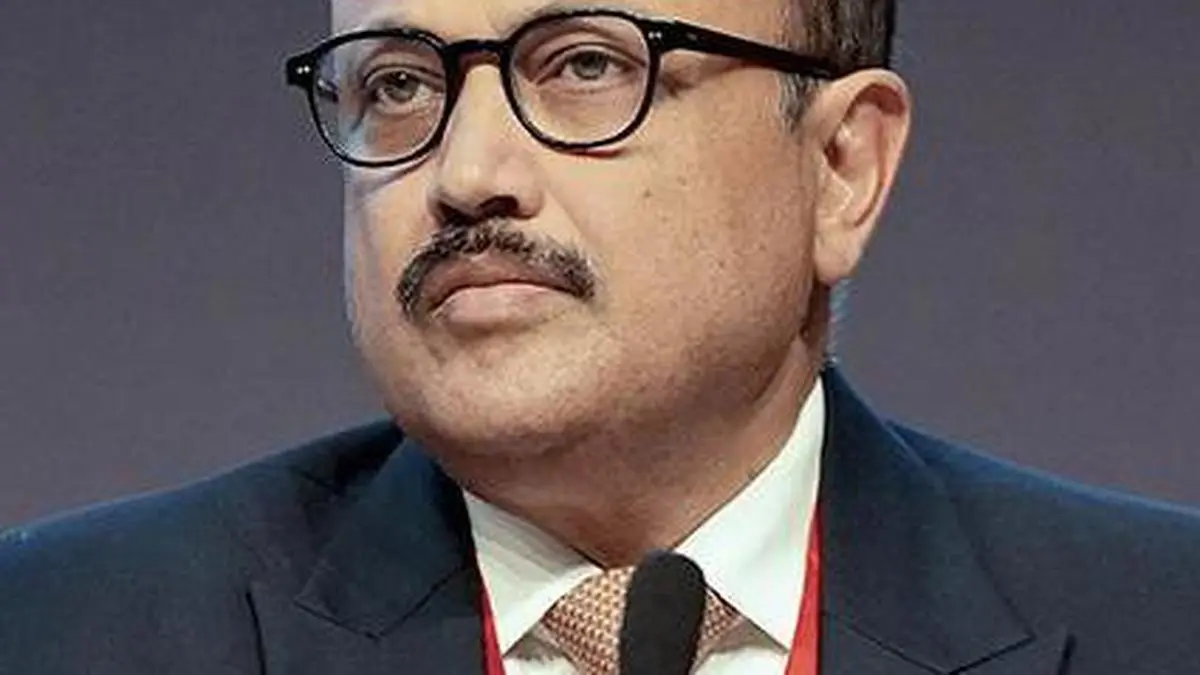
Commerce Secretary Rajesh Agrawal visits Chile, Argentina and Brazil from Aug 24-28 to push trade pacts, including a CEPA with Chile that could unlock critical minerals access.
Continue with
Commerce Secretary Rajesh Agrawal will travel to South America from August 24 to 28 for trade talks with Chile, Argentina and Brazil, an official said. The visit marks a step in India's push to diversify its trading partners beyond traditional markets.
Chile talks are the closest to a deal. Negotiators have held four rounds, the last in December 2025. Only a few issues remain, including market access and critical minerals, the official said. The proposed Comprehensive Economic Partnership Agreement would build on the 2006 Preferential Trade Agreement, adding digital services, investment promotion, MSMEs and critical minerals.
A change of government in Chile after the December 2025 election slowed the process. President Jose Antonio Kast took office in March 2026, and no formal negotiation has occurred since. The official said the new government is keen on the pact.
"Both sides are looking to find solutions to the pending issues," the official said.
Chile is India's fifth-largest trading partner in Latin America. Bilateral trade jumped 66.45% in 2025-26 to $6.25 billion, with India's exports at $1.22 billion and imports at $5.03 billion. The critical minerals component – Chile holds the world's largest lithium reserves – gives the agreement a supply-chain angle beyond tariff cuts.
Argentina and Brazil meetings will cover the Mercosur bloc. The existing India-Mercosur PTA, which took effect in 2009, covers only 450 tariff lines. Both sides are discussing terms of reference for expanding the pact, the official said. Argentina and Brazil together represent a $21 billion two-way trade relationship. India-Argentina trade rose 25.5% to $5.96 billion in 2025-26, while India-Brazil trade climbed 23.48% to $15 billion.