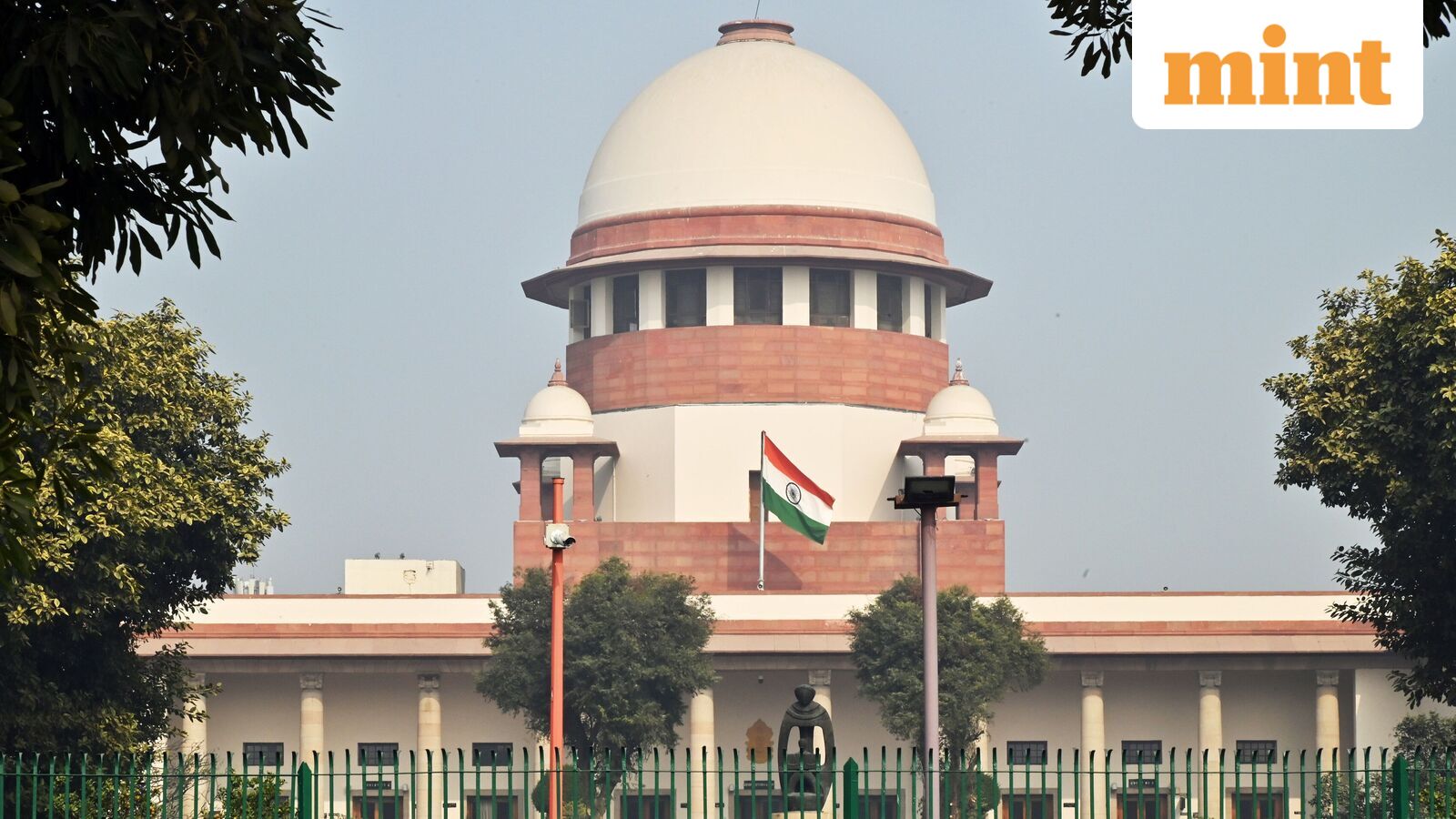
The Union Cabinet approved a bill to increase the Supreme Court's strength to 38 judges. This first expansion since 2019 aims to address current vacancies.
FIVE BELOW, INC currently carries an Alpha Score of n/a, giving AlphaScala's model a neutral read on the setup.
The Union Cabinet’s decision to increase the sanctioned strength of the Supreme Court of India from 34 to 38 judges marks the first such legislative expansion since 2019. Union Minister Ashwini Vaishnaw confirmed that a formal bill will be introduced in the upcoming session of Parliament to codify this change. This move, which adds four new positions to the apex court, arrives at a time when the judiciary is already navigating two existing vacancies within its current 34-judge capacity.
The process for increasing the court's size is governed by the Supreme Court (Number of Judges) Act of 1956. Under the current administrative framework, the Chief Justice of India (CJI) initiates the process by submitting a formal recommendation to the Union Law Minister. Following this, the Department of Justice consults with the Finance Ministry to ensure the fiscal feasibility of the additional judicial chambers and support staff before drafting the bill for Cabinet approval.
Historically, these expansions have been incremental and reactive to the growing caseload of the judiciary. The 1956 Act originally set the maximum strength at 10 judges, excluding the Chief Justice. Over the subsequent decades, the legislature has periodically amended the law to accommodate the rising volume of litigation. Notable shifts occurred in 1986, when the strength was raised to 25, and in 2009, when it was further increased to 30. The most recent adjustment took place in 2019, which moved the total count to 33, excluding the CJI, effectively bringing the total sanctioned strength to 34.
Article 124(3) of the Constitution of India dictates the eligibility criteria for these new seats. Candidates must be Indian citizens who have served as a high court judge for at least five years, practiced as an advocate for at least 10 years, or be recognized as a distinguished jurist. While the legislative expansion increases the number of available seats, the actual appointment process remains a separate, complex administrative hurdle involving the Collegium system.
For market observers and legal analysts, the expansion represents a shift in the operational capacity of the highest court. While the legislative change is a procedural necessity, the real-world impact on judicial efficiency depends on the speed of the subsequent appointment process. The current two vacancies suggest that even before the expansion is enacted, the court is operating below its existing capacity. The addition of four seats will require the government and the judiciary to fill a total of six positions to reach the new, higher threshold.
| Year of Amendment | Total Sanctioned Strength (Incl. CJI) |
|---|---|
| 1956 | 11 |
| 1960 | 14 |
| 1986 | 26 |
| 2009 | 31 |
| 2019 | 34 |
| Proposed | 38 |
This table illustrates the long-term trend of scaling the judiciary to meet national demand. The transition from 34 to 38 judges is consistent with the historical precedent of expanding the court every decade or so to manage the backlog of cases. Investors and legal stakeholders should monitor the parliamentary timeline for the bill, as the enactment is the primary catalyst for the eventual recruitment of the four new justices.
Beyond the immediate legislative action, the broader implication concerns the administrative throughput of the Supreme Court. As the court handles increasingly complex commercial and constitutional matters, the expansion is intended to alleviate the pressure on existing benches. However, the efficacy of this move will be tested by the time it takes to fill these new vacancies, as the court’s actual output is limited by its active, rather than sanctioned, strength. The market read here is one of institutional scaling; while the move is positive for long-term judicial capacity, it does not provide an immediate resolution to current case backlogs until the appointments are finalized and the new judges are seated.
AI-drafted from named sources and checked against AlphaScala publishing rules before release. Direct quotes must match source text, low-information tables are removed, and thinner or higher-risk stories can be held for manual review.