Stocks● Neutral
India Bill Targets MSME Payment Delays, Mandates TReDS Use
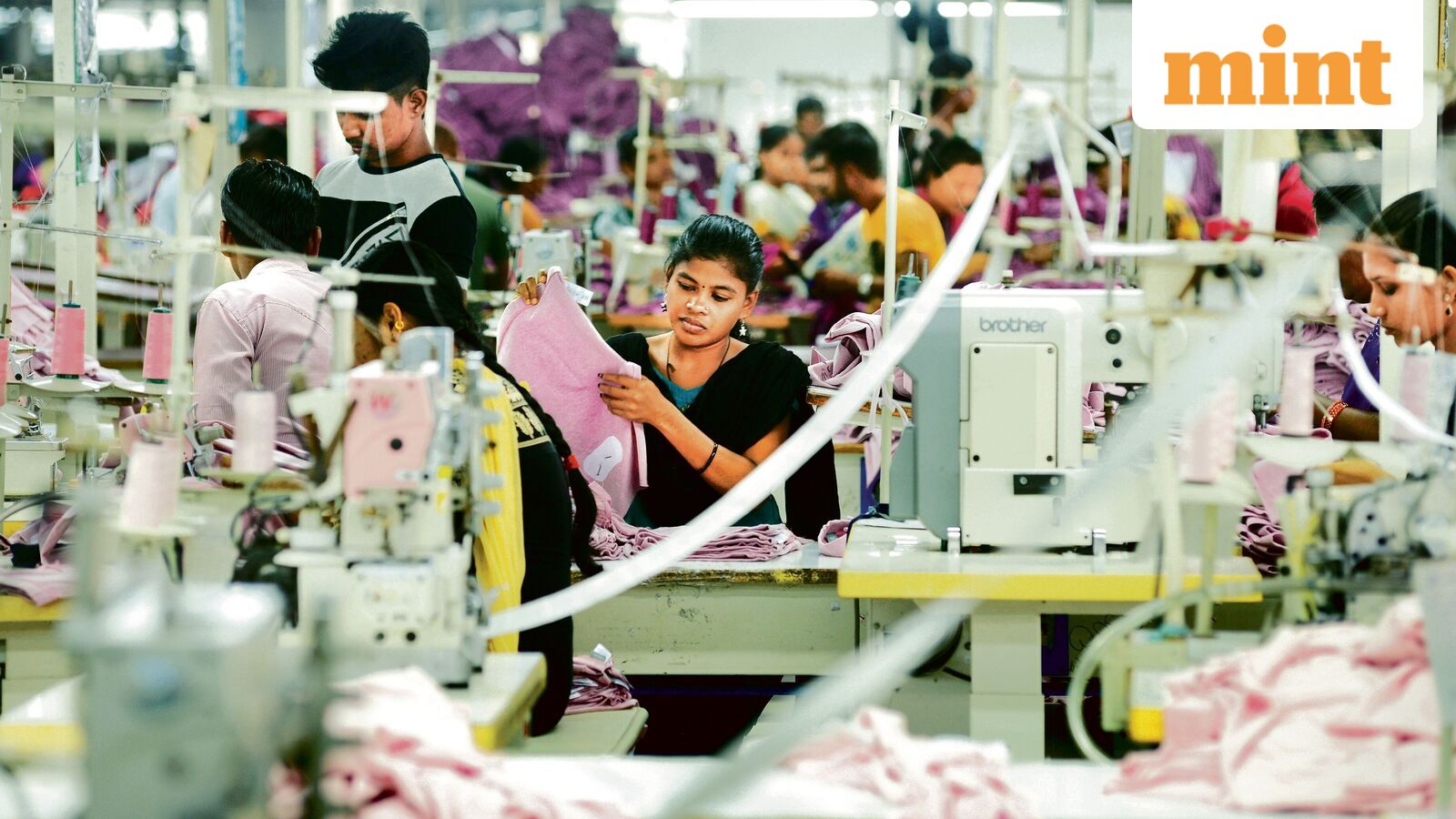
A new bill would mandate TReDS platform payments for government buyers and set deadlines for resolving the 103,000-plus pending claims worth ₹29,000 crore.
Continue with
Small businesses in India may soon get paid faster. The government introduced a bill Tuesday that would require central buyers to settle MSME invoices through a certified electronic platform and set deadlines for resolving payment disputes.
The Micro, Small and Medium Enterprises Development (Amendment) Bill, 2026, also proposes scrapping minor penalties for MSMEs. Union MSME minister Jitan Ram Manjhi presented the bill in the Rajya Sabha. "The original MSME Development Act was made in 2006. That is why there is a need to make additions and improvements to the law," Manjhi said.
The bill would force government procurers to pay MSMEs only through the Trade Receivables Discounting System (TReDS). It would let state governments set up similar systems for their own entities, according to the bill's statement of objectives. The MSME ministry on July 10 ordered all central public sector undertakings to clear MSME invoices exclusively on TReDS platforms. The RBI has approved five such platforms: RXIL, M1xchange, Invoicemart, C2treds and DTX.
The push toward TReDS follows finance minister Nirmala Sitharaman's FY27 budget announcement, which allowed these receivables to be used as asset-backed securities. The MSME sector accounts for 31.1% of India's GDP and 48% of exports.