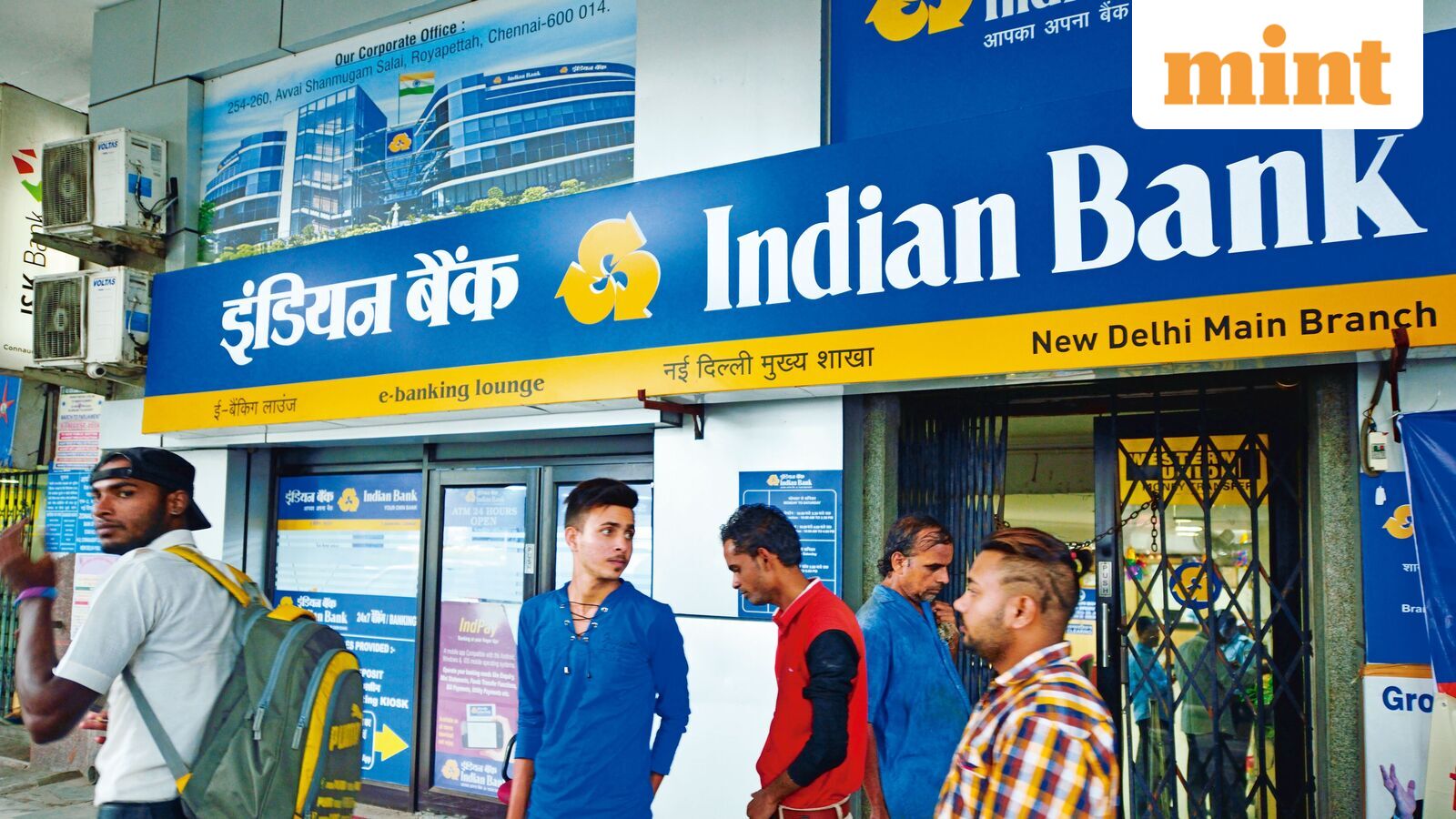
Public and private sector banks across India are scheduled to observe two non-business days during the week of May 4 to May 10, 2026. These closures, dictated by the official Reserve Bank of India holiday calendar, will impact branch-level operations across various states. While physical banking services will be suspended on these specific dates, digital infrastructure remains operational for account holders.
Impact on Financial Liquidity
The temporary suspension of branch services necessitates a shift toward digital banking channels for retail and corporate clients. Automated Teller Machines and online transaction portals are expected to function without interruption, mitigating the risk of liquidity bottlenecks for standard settlements. However, clearing house operations typically align with the holiday schedule, which may delay the processing of physical checks or non-urgent interbank transfers that require manual intervention.
Operational Continuity and Digital Banking
Banks have signaled that core banking systems will remain active, allowing for real-time payments and electronic fund transfers to proceed as usual. The reliance on digital platforms has become the standard mechanism for maintaining transaction velocity during localized or national bank holidays. For businesses managing payroll or time-sensitive vendor payments, the two-day window serves as a reminder to schedule transactions ahead of the holiday sequence to avoid potential processing lags.
Market and Policy Context
These scheduled breaks occur within a broader environment of evolving monetary oversight. Recent leadership adjustments, such as the appointment of a new deputy governor, suggest that the central bank remains focused on maintaining stability across the financial sector. Investors monitoring the Rohit Jain Named RBI Deputy Governor to Shape Policy development should note that such administrative shifts often coincide with efforts to streamline regulatory oversight of commercial banking operations.
As the banking sector navigates these periodic closures, the primary focus remains on the resilience of digital payment systems. The next major catalyst for the sector will be the release of updated credit growth figures, which will provide insight into whether digital adoption is successfully decoupling transaction volume from physical branch availability. Market participants should monitor upcoming market analysis for further updates on how these operational constraints influence short-term interbank lending rates.