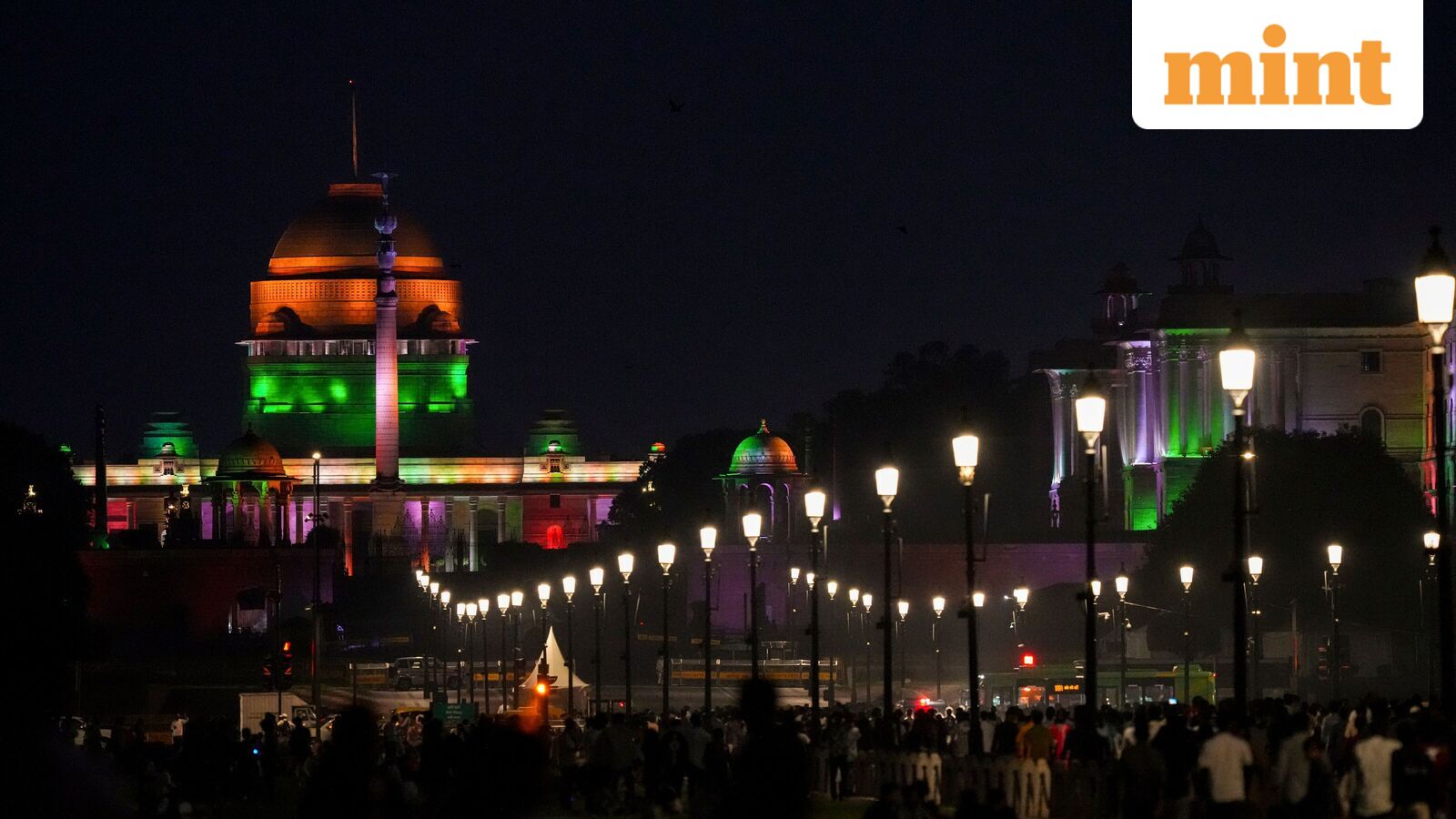
India entered its 80th year of independence with a warning from Shashi Shekhar, editor-in-chief of Hindustan. Writing in a Mint column, he argued that the nation's progress masks deep disparities that could undermine its economic trajectory.
Shekhar recalled the India of the 1960s: a decade of war, drought, and dynastic politics. Dalits could not draw water from village wells. Muslims carried the guilt of Partition. Yet the country built its first IIMs, launched a rocket from Thumba, and started the Green Revolution. The contrast between then and now, he said, is not purely one of improvement.
Today, India has the world's largest pool of graduates, but 45% of them cannot find jobs that match their qualifications, Shekhar wrote. Government data on electricity, health, and education shows gains, but the gap between official numbers and ground reality remains wide. He cited two environmental examples: 26 rivers in Bihar are nearly dry during monsoon, and Uttarakhand has lost 25% of its forest cover. A debris flow in a Chamoli tunnel injured 14 people on the eve of Independence Day.
Shekhar pointed to the demographic shift ahead. India is still a young nation, but the population will begin aging in the next decade. Three decades from now, the country will have more older people than young. "Are we ready to face that challenge?" he asked.
He argued that economic liberalization since 1991 has turned "Bharat" into "India," widening inequality. Tier-II and III towns are growing fast as villages empty. To maintain demographic balance, employment opportunities must be taken back to villages, he said. Social and environmental security deserve the same sensitivity as border security.
Shekhar did not offer a policy prescription. He framed the moment as a call to think about how to bring along those left behind and remove obstacles to future progress. "There can be no better use of the initial days of the 80th year of our Independence," he wrote.