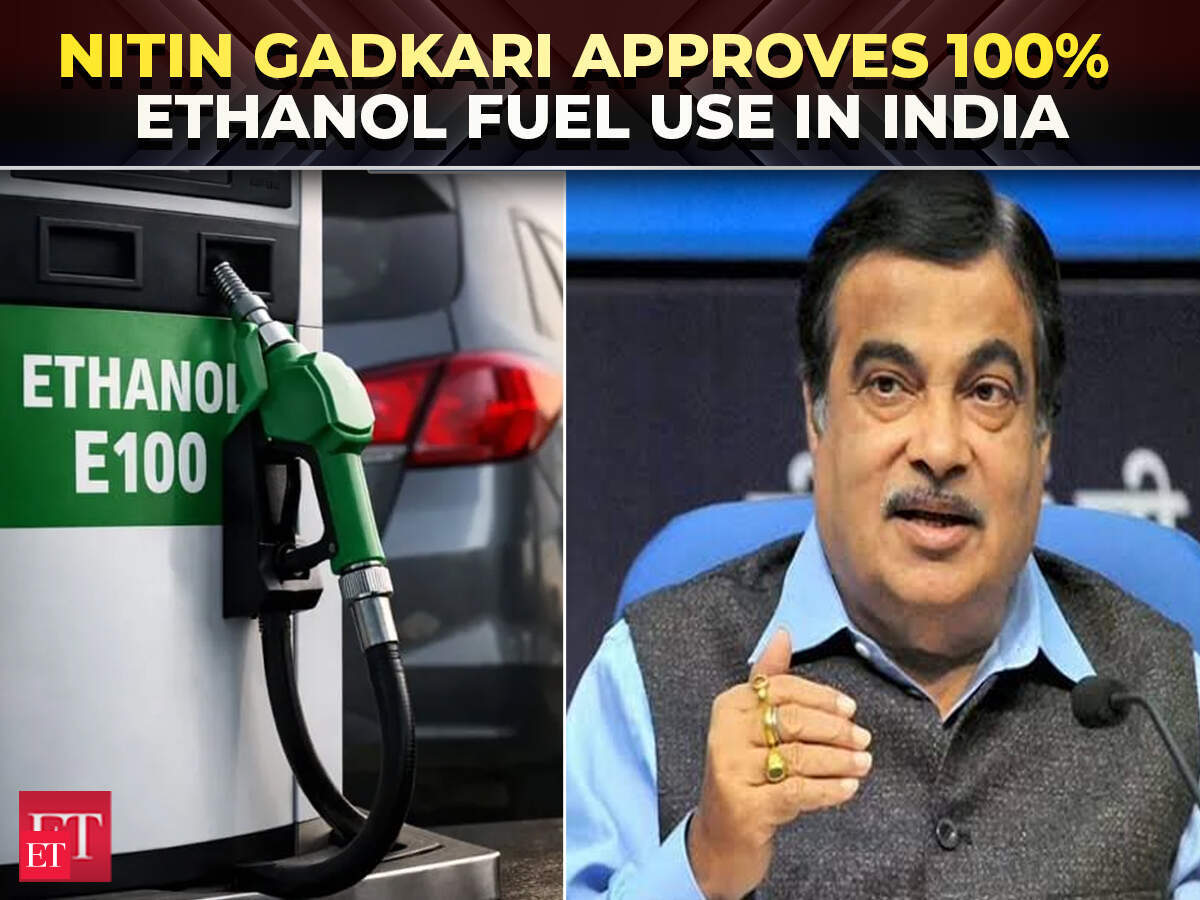
Nitin Gadkari signed regulations approving 100% ethanol as motor fuel. Maruti Suzuki and Hero MotoCorp have compatible models ready. Toyota, Hyundai, MG, and Suzuki plan launches within six weeks.
India has formally approved the use of 100% ethanol as a motor fuel, a move that opens a new lane in the country's long-running effort to cut oil imports and give farmers a bigger energy market.
Union Minister Nitin Gadkari signed the regulations late Wednesday, he said at an event in Nagpur. The approval covers both four-wheelers and motorcycles. Maruti Suzuki has already launched a 100% ethanol-compatible version of its best-selling WagonR. Hero MotoCorp, which sells three of every five motorcycles in India, has two flex-fuel models ready.
"People used to laugh when I spoke of this dream, and some friends even criticised it," Gadkari said. "Last night at 8 PM, I signed the file, finalising the regulations to legally authorise the use of 100% ethanol."
Toyota, Suzuki, MG, and Hyundai plan to launch 100% ethanol-compatible vehicles within the next six weeks, Gadkari said. That timeline puts the first wave of new models on the road before August.
The move shifts India's biofuel policy from blending targets to full substitution. The country has been blending ethanol with petrol at rates that reached about 12% in the last supply year. The new regulation allows pure ethanol as a direct petrol replacement, which changes the economics for sugar mills and grain distilleries that supply the fuel.
Ethanol production in India runs on sugarcane and rice. A shift to 100% ethanol would require roughly six times the current distillery capacity, based on fuel demand figures from the Petroleum Planning and Analysis Cell. The government has been pushing distilleries to expand through interest subsidies and guaranteed offtake contracts.
Gadkari also announced a pilot project in Nagpur featuring a hydrogen pump and two hydrogen-powered buses. The buses will run on green hydrogen extracted from water using an electrolyser. "That day is now near," he said.
The hydrogen pilot is small – two buses – but it signals the government's interest in multiple fuel pathways rather than a single bet on electric vehicles or ethanol. India's National Green Hydrogen Mission targets 5 million tonnes of annual green hydrogen production by 2030.
For the ethanol supply chain, the regulatory approval removes the biggest uncertainty: whether fuel stations could legally sell pure ethanol. The new rules settle that. The next bottleneck is distribution. Ethanol is corrosive to standard pipelines and storage tanks, requiring stainless steel or fibreglass infrastructure at retail points. Oil marketing companies will need to retrofit pumps, a process that takes months per station.
The economics of ethanol as a fuel depend on global crude prices and domestic sugarcane costs. At current crude prices near $75 a barrel, ethanol delivered at the pump is roughly competitive with petrol after state-level tax adjustments, according to industry estimates. A sharp drop in crude would erode that margin.
Gadkari's announcement comes as India's fuel import bill has been under pressure from Middle East supply disruptions. The country imports about 85% of its crude oil. Every percentage point of ethanol substitution reduces that bill by roughly $400 million at current consumption levels, based on government calculations.
Hero MotoCorp's flex-fuel motorcycles are already in production. Maruti Suzuki's ethanol WagonR is the first mass-market car certified for 100% ethanol. The company has not disclosed pricing or a launch date for general sales.
The next six weeks will show whether the other automakers meet Gadkari's timeline. If they do, India will have more ethanol-compatible models on the road than any other large auto market, including Brazil, which has run a flex-fuel programme since 2003.
Prepared with AlphaScala editorial tooling from the source reporting linked above. Indexable analysis may include a cited Alpha Score value. Publishing checks screen each story before release. Educational coverage, not personalized advice.