Commodities● Neutral
India Aluminium Scrap Imports Hit 3.48M Tonnes, Group Tells PMO
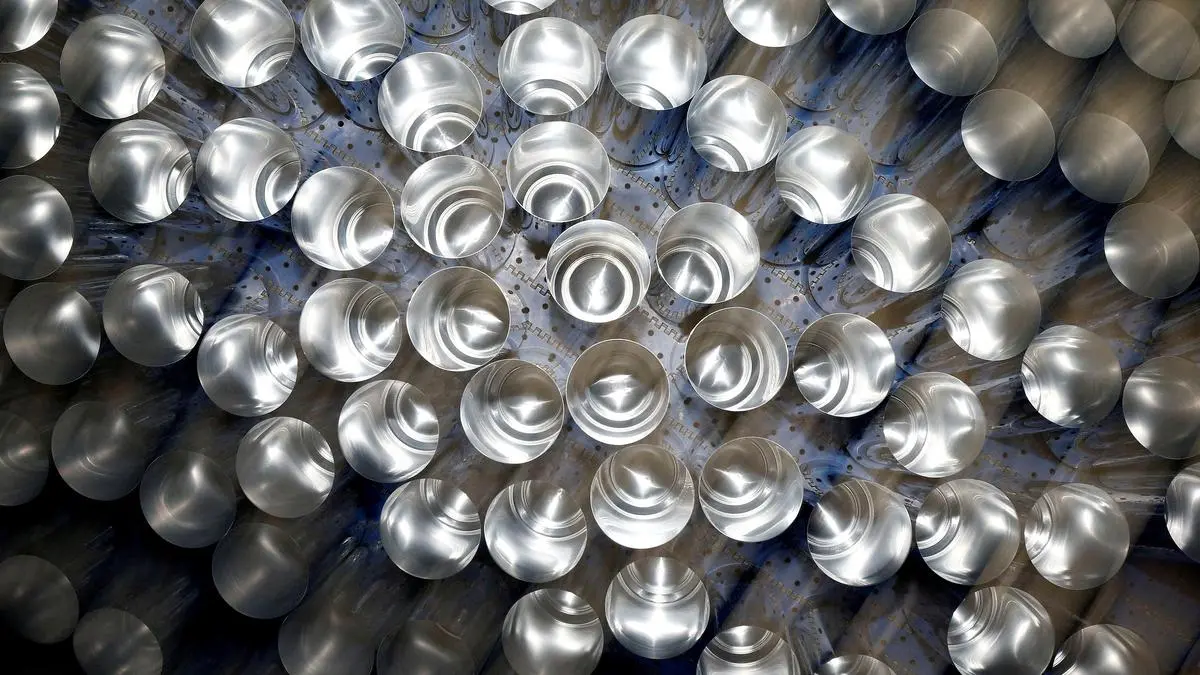
The Aluminium Association of India asked the PMO to raise import duties and publish quality standards after low-grade scrap imports cost the country ₹88,400 crore in FY26 and threatened planned investments.
Continue with
The Aluminium Association of India has appealed to the Prime Minister's Office for protection against a surge of low-quality aluminium scrap imports that cost the country ₹88,400 crore in foreign exchange last fiscal year.\n\nThe association said rising global protectionism has left domestic producers exposed to what it called a double-whammy. Imports are climbing while export markets shrink. The United States raised Section 232 national security duties on aluminium to 50%. The European Union is rolling out its Carbon Border Adjustment Mechanism alongside safeguard investigations. Mexico hiked customs duties on Chapter 76 – covering aluminium and its articles – to 35%, despite having no primary smelting capacity of its own.\n\n> "Mexico has aggressively hiked customs duties on Chapter 76 up to 35 per cent despite lacking primary smelting capacity," the association said.\n\nDeveloped economies are restructuring regulations to keep high-quality scrap at home while exporting lower-grade material. Malaysia and China are also curbing imports of poor-quality aluminium scrap. The association warned that India, lacking quality standards for scrap, has become a destination for that surplus.\n\nImports hit 3.48 million tonnes in FY26. The forex outgo on scrap alone was ₹40,200 crore. The association said the domestic industry contributes roughly ₹30,000 crore annually to government revenues and employs more than 800,000 people across rural areas. It warned that rising imports threaten over ₹3 lakh crore of planned investments by leading producers. Those investments are expected to create more than 100,000 jobs and double India's primary aluminium production capacity to 9 million tonnes per year by FY33. The government has tied that target to meeting domestic demand growth.\n\nThe association is urging two near-term policy interventions. First, higher basic customs duty on scrap imports to slow the inflows. Second, publication of the final draft standard titled "Aluminium & Aluminium Alloy Scrap – Requirements & Conditions of Delivery." That standard has been approved by NITI Aayog, the Bureau of Indian Standards, JNARDDC and the BIS Working Group. The association argued that changes to scrap import duty should wait until the standard is published and grade-wise HSN codes are introduced. That sequence would ensure only high-quality scrap – material with at least 90% aluminium content – enters the country.\n\nBeyond tariffs and standards, the association is pushing for a domestic scrap collection and recycling ecosystem. Building a circular economy inside India would cut dependence on imported scrap and stem the forex drain, the group said. The recycled material could feed downstream industries that currently rely on low-cost imports.\n\nThe sector readthrough splits along the primary versus recycled divide. India's primary smelters – producers of virgin aluminium from bauxite – would gain directly from higher scrap duties and quality standards. Cheaper low-grade scrap undercuts their output prices. The association cited the threat of material containing less than 90% aluminium, which strains smelter furnaces and yields poor-quality product. Removing that supply would lift pricing power for primary producers. Recyclers, in contrast, could face higher input costs if the duty hike hits all scrap regardless of grade. A phased rollout – standard first, then duty changes – would give recyclers time to adjust sourcing. The association's own submission signals that path.\n\nDownstream users of aluminium – automakers, construction firms, packaging companies – would see a higher cost base if scrap supply tightens. Many of those buyers have been stocking low-grade imports precisely because no domestic standard blocked them. A shift to higher-grade scrap pushes up per-unit feedstock costs. How fast the PMO acts will determine whether the adjustment is gradual or sharp.\n\nThe association's representation noted that the draft standard already has inter-agency approval. Publishing it is technically straightforward. The political variable is timing. A coordinated rollout – standard and HSN codes first, then duty revision – would align protection of smelters with the recycling chain's needs. Any move that hits all scrap imports before grade segregation risks punishing recyclers who depend on imports for blending. The association's own argument suggests that is not the intended outcome.\n\nThe industry's call lands as India pushes for self-sufficiency in strategic metals. The 9 MTPA capacity target for 2033 implies more than doubling current output. Protecting that investment from a flood of foreign scrap is the immediate sell. The deeper question – whether India can simultaneously build a domestic recycling ecosystem to replace imports – remains open. The association has drawn the roadmap. The PMO's decision on duty and standards will set the pace.