Back to Markets
Stocks● Neutral

Independent Retail Recognition Highlights Regional Market Resilience

Independent Retail Recognition Highlights Regional Market Resilience
ASONRELYBE

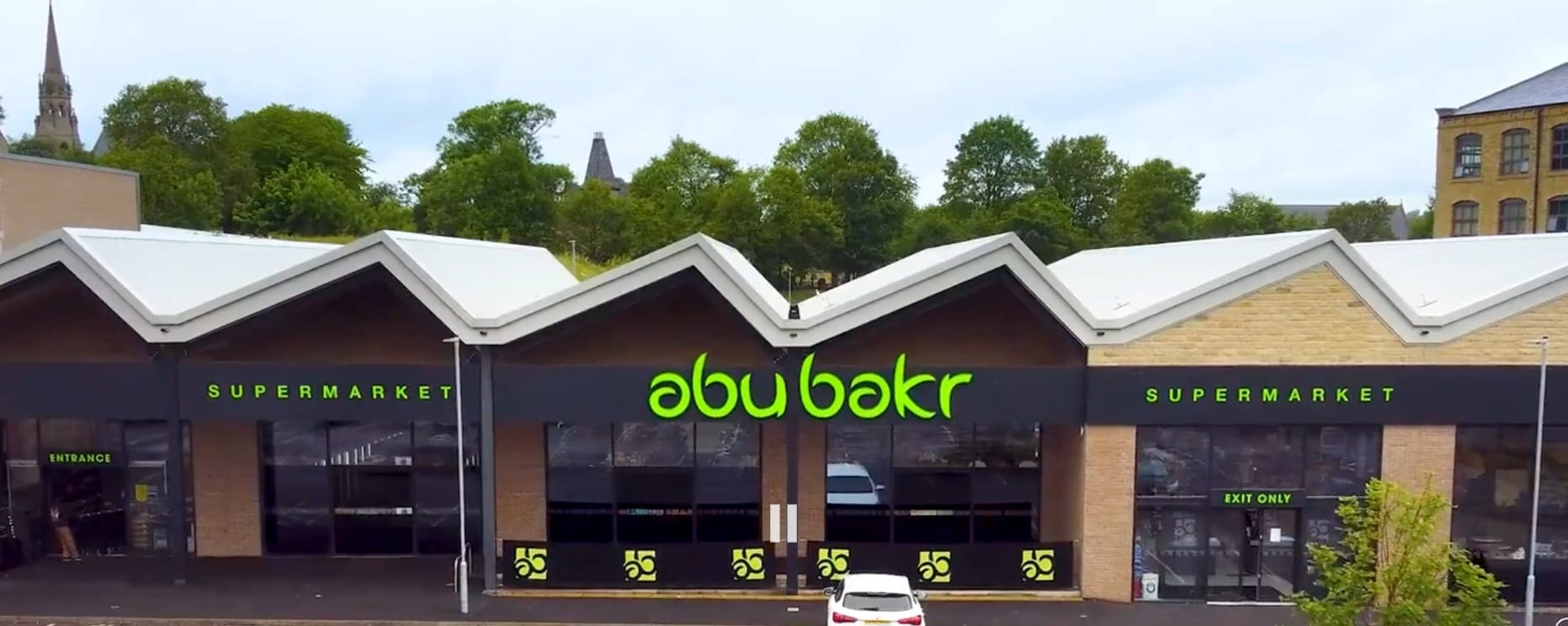
The recognition of Leeds-based Abu Bakr as a top independent retailer highlights the growing influence of specialized regional chains in the UK grocery sector.

AlphaScala Research Snapshot
Live stock context for companies directly referenced in this story
Consumer Cyclical
Alpha Score
47
Weak

Alpha Score of 47 reflects weak overall profile with moderate momentum, poor value, moderate quality. Based on 3 of 4 signals — score is capped at 90 until remaining data ingests.

Alpha Score
45
Weak

Alpha Score of 45 reflects weak overall profile with strong momentum, poor value, poor quality, weak sentiment.

Technology
Alpha Score
50
Weak

Alpha Score of 50 reflects weak overall profile with strong momentum, poor value, moderate quality, moderate sentiment.

Industrials
Alpha Score
46
Weak

Alpha Score of 46 reflects weak overall profile with strong momentum, poor value, poor quality, moderate sentiment.

This panel uses AlphaScala-native stock data, separate from the source wire linked above.

The recognition of Leeds-based Abu Bakr as one of the top 100 independent retailers in the United Kingdom underscores a shift in consumer preference toward specialized, regional grocery networks. This award highlights the operational success of independent chains that maintain localized supply chains while navigating the broader inflationary pressures currently affecting the national retail sector. Such recognition serves as a benchmark for how smaller, agile entities compete against the scale of national supermarket incumbents.

Competitive Dynamics in Regional Retail

The success of independent retailers like Abu Bakr often stems from their ability to cater to specific demographic needs that larger chains may overlook. By focusing on niche product offerings and community-centric service models, these stores capture market share in high-density urban areas. This regional strength provides a buffer against the volatility of national supply chain disruptions, as these retailers often rely on localized procurement strategies to maintain inventory levels.

For larger players in the consumer space, the rise of independent success stories signals a need to reassess regional distribution strategies. When independent retailers gain national recognition, it often precedes an expansion phase that can challenge the dominance of established supermarket brands in specific geographic corridors. Investors monitoring the stock market analysis landscape should note that these shifts in retail preference can impact the long-term growth projections of larger, publicly traded retail conglomerates.

Operational Scalability and Market Positioning

Transitioning from a successful local operation to a recognized national entity requires significant capital investment in logistics and infrastructure. The primary challenge for independent chains following such recognition is maintaining the quality of service while scaling operations to meet increased demand. This growth trajectory often involves complex decisions regarding debt financing, store footprint expansion, and the integration of digital ordering systems.

AlphaScala data currently tracks various firms within the consumer cyclical sector, including AS stock page and HAS stock page, which face their own unique pressures regarding consumer spending habits. While these companies operate on a much larger scale than independent supermarkets, the underlying trend of shifting consumer loyalty remains a critical variable in their performance metrics. The ability of an independent retailer to secure a top 100 ranking suggests that the market is currently rewarding brands that offer high levels of specialization and localized relevance.

Future Growth Markers

The next concrete marker for this retail segment will be the upcoming annual reporting cycle for regional supermarket chains, which will reveal whether this recognition translates into measurable revenue growth or increased capital expenditure. Market observers should look for follow-up filings regarding store count expansion or potential partnerships with national logistics providers. These developments will determine if the current momentum is sustainable or if the competitive landscape will force a consolidation among smaller independent retailers looking to protect their margins against rising operational costs.

How this story was producedLast reviewed Apr 27, 2026

AI-drafted from named sources and checked against AlphaScala publishing rules before release. Direct quotes must match source text, low-information tables are removed, and thinner or higher-risk stories can be held for manual review.

Editorial Policy·Report a correction·Risk Disclaimer